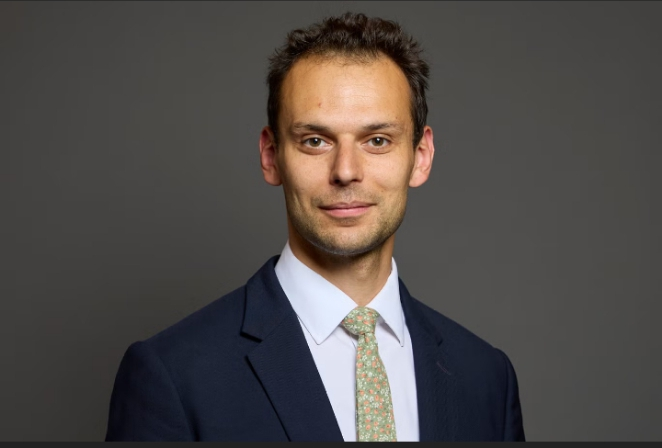
Labour minister Josh Simons has dramatically resigned amid the Labour Together journalists smear, a controversy claiming the think tank he once led paid for an investigation to “smear” reporters, prompting renewed scrutiny of party ethics and accountability.
The resignation represents a serious blow to Sir Keir Starmer, who faces mounting criticism over internal party governance. Mr Simons’ departure follows his tenure as a director of Labour Together, succeeding Morgan McSweeney, Starmer’s controversial former chief of staff, and brings attention to alleged PR campaigns targeting journalists investigating party finances.
Josh Simons insisted that the allegations were unfounded, stating APCO had been engaged solely to manage leaks of confidential Labour Together information.
Even cleared by ethics advisor Laurie Magnus, he admitted his presence had “become a distraction from this government’s important work,” signaling accountability amid political pressure.

The scandal intensified after Labour’s humiliating third-place finish in the Gorton and Denton by-election, where left-wing MPs leveraged the investigation into Mr Simons to exert pressure on Starmer’s leadership, demanding full transparency regarding Labour Together’s operations and influence.
Labour Together was central to Starmer’s strategy to reclaim the party from Jeremy Corbyn and his allies. Accusations of targeting journalists investigating Labour finances have renewed questions about ethical oversight, with MPs Richard Burgon and John McDonnell confirming requests for documents linked to their interactions with both the think tank and APCO.
In his resignation letter, Mr Simons emphasized integrity: “I welcome that Sir Laurie Magnus has cleared me of breaching the Ministerial Code. It was important to me to complete this process to prove that I behaved with integrity and that my public statements have been truthful and honest.” Nonetheless, he acknowledged that staying in office risked being a “distraction” from government priorities.
Mr Simons highlighted the essential role of journalists in democracy, saying they “sustain our democracy. With rigour and objectivity, they hold those in positions of power to account.
In an age when trust in politics is low, anything perceived to be an attack on their integrity and independence deserves thorough investigation.” He stressed he “never sought to smear these newspaper reporters.”
Despite his resignation, concerns persist over Labour Together’s influence and the government’s commitment to ethical standards. Labour MP Clive Lewis, allegedly targeted by Labour Together, criticized the delayed response, stating, “A prime minister who is serious about standards doesn’t wait for an ethics adviser to state the obvious.”
Tory leader Kemi Badenoch condemned the situation, asserting Starmer used the Middle East conflict to distract from domestic failings: “Josh Simons was in charge of a group that deliberately smeared journalists, even using a journalist’s Jewish faith to call him into question. Labour hasn’t changed.”
She demanded clarity on Labour Together’s donations and ongoing government links.
The subject access requests filed by MPs aligned with Corbyn seek to uncover Labour Together’s role in Starmer’s rise.
Critics argue that the alleged smear campaign underscores systemic vulnerabilities, raising questions about transparency, accountability, and public trust in UK politics.
Starmer’s government has faced additional scrutiny for restricting press access, canceling daily lobby briefings, and redirecting questions to social media influencers.
Combined with the Labour Together controversy, these measures have fueled concerns that the government is undermining the role of independent journalism in holding power to account.
Sir Keir Starmer responded to Mr Simons’ resignation, emphasizing press freedom: “Freedom of the press is a cornerstone of our democracy. The government remains firmly committed to upholding and protecting that freedom. It is essential that journalists are able to carry out their work without fear or favour.”
Cabinet Office sources praised Mr Simons for stepping aside, noting his decision prioritized the long-term direction of government. His exit, framed as putting public interest above personal or political concerns, highlights the challenges politicians face when ethical controversies intersect with governance.
The implications of the resignation extend beyond Mr Simons. Labour Together’s alleged smear campaign has reignited debate over ethical governance, party influence, and the role of think tanks.
Over 100 Labour MPs received support or donations, raising questions about potential conflicts of interest and the integrity of government processes.
Political analysts argue the scandal exposes structural vulnerabilities.
The use of PR firms to target journalists, regardless of intent, illustrates how internal party mechanisms can circumvent democratic oversight.
Critics warn that without reforms, incidents like the Labour Together journalists smear will continue to threaten public confidence.
The resignation underscores tension within the Labour Party between centrists and left-wing factions. Starmer’s reliance on Labour Together to consolidate leadership is now under intense examination as MPs push for transparency, highlighting the stakes of intra-party dynamics and electoral strategy.
For journalists, the case is a reminder of the importance of independence. Mr Simons’ praise for press accountability, combined with the controversy over alleged smear attempts, demonstrates the essential role of the media in exposing wrongdoing, demanding evidence, and holding political leaders responsible.
Observers predict that the fallout from Josh Simons’ resignation will continue to shape Westminster and public discourse. The Labour Together journalists smear controversy illustrates the complex intersection of political maneuvering,
media freedom, and public accountability, leaving a lasting impact on UK politics.
Ultimately, the resignation emphasizes the balance between political loyalty, ethical conduct, and democratic responsibility.
Read also: Joe Biden warns Donald Trump will try to steal midterm elections
By stepping down, Mr Simons acknowledged that even perceived impropriety, intentional or not, could hinder government work, highlighting the stakes of public trust in politics.