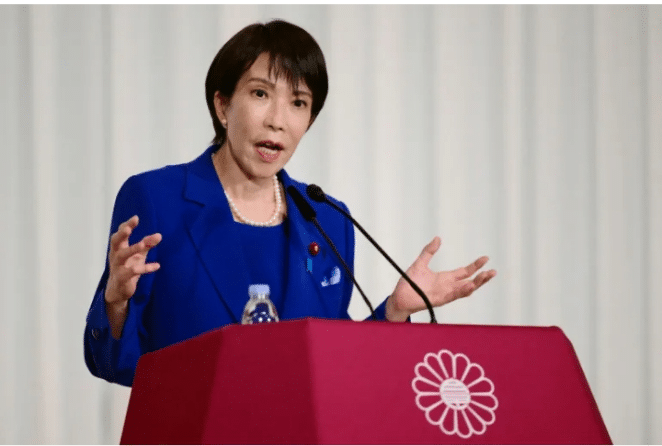
Sanae Takaichi has officially assumed office as Japan’s new prime minister, stepping into leadership during a period of rising inflation, coalition fragility, and pressing international expectations.
Her tenure begins with immediate challenges. With energy prices climbing and food costs straining household budgets, the public anticipates swift measures to stabilize living conditions nationwide.
The Liberal Democratic Party (LDP) continues to dominate Japanese politics, yet internal divisions and lingering corruption scandals complicate efforts to implement coherent policy under Takaichi’s leadership.
Immigration policy is an urgent domestic concern. With Japan facing labor shortages and a declining population, Takaichi’s administration must craft careful strategies to maintain workforce stability.
“Addressing demographic decline cannot wait,” stated Masato Kamikubo, political science professor. “The new prime minister must balance economic needs with public acceptance of foreign labor solutions.”
International observers are watching closely. A forthcoming visit by Donald Trump will test Takaichi’s diplomatic acumen, requiring skillful engagement with a high-profile yet unpredictable foreign leader.
Takaichi’s approach to regional relations is deliberate. Avoiding provocative gestures at historical sites, she signals respect for neighbors while reinforcing Japan’s commitment to stability and cooperation.
The coalition with Nippon Ishin demonstrates political pragmatism. Conservatives seek stronger defense policies, while moderates emphasize economic reform, creating a delicate balance for effective governance.
Negotiating legislative priorities remains a challenge. Takaichi must reconcile Ishin’s proposals with LDP objectives on taxation, corporate governance, and fiscal policy, ensuring coalition cohesion while advancing reforms.
“The coalition’s nature is strategic, not ideological,” said Chiyako Sato, senior political commentator. “Takaichi’s success depends on negotiation and compromise without alienating key allies or the electorate.”
Her cabinet reflects both innovation and experience. Satsuki Katayama becomes Japan’s first female finance minister, signaling symbolic progress and rewarding loyal party members simultaneously.
Appointments of Toshimitsu Motegi and Shinjiro Koizumi to foreign and defense portfolios bring seasoned leadership, allowing Takaichi to focus on domestic priorities without undermining coalition stability.
Constitutional reform remains contentious. By avoiding aggressive moves, Takaichi mitigates potential conflict with regional neighbors while demonstrating measured pragmatism within her administration.
Economic recovery is at the forefront of her mandate. Policymakers expect her to address inflation, stimulate domestic demand, and attract investment while maintaining fiscal discipline and public confidence.
Public opinion is cautious. Many celebrate symbolic progress in female leadership but question her ability to address structural challenges, including infrastructure deficits, social welfare gaps, and workforce shortages.
The LDP faces a parliament marked by voter fatigue and fragmentation. Takaichi must navigate political divisions, earning trust through transparent governance and tangible improvements in daily life.
“Citizens demand action, not symbolism,” said Kenji Fujimoto, political analyst. “Immediate attention to rising prices, healthcare, and social equity will define public perception of her leadership.”
Her political style combines conservatism with pragmatism. While maintaining alignment with LDP traditions, she demonstrates flexibility, avoiding rhetoric that could escalate regional tensions or domestic opposition.
The Apec summit in South Korea will be a critical stage. Takaichi’s performance will signal Japan’s capacity for regional leadership, economic collaboration, and multilateral diplomacy under global scrutiny.
Energy stability remains a pressing concern. Japan must balance nuclear power, renewable energy expansion, and fossil fuel reliance to secure affordability, reliability, and environmental compliance.
Defense priorities are central to coalition expectations. Increased readiness and strategic deterrence are essential amid rising regional threats, requiring careful coordination between military planning and civilian oversight.
Gender representation in government is gradually improving. Women now hold influential cabinet positions, advancing incremental progress toward equity while bolstering public confidence in Takaichi’s leadership.
Economic reforms face political resistance. Ishin’s policy proposals—including seat redistribution, temporary tax relief, and donation regulations—require deft negotiation to avoid gridlock and maintain coalition support.
Takaichi’s political legacy will be determined by concrete outcomes. Citizens will judge her on inflation management, energy policy, labor solutions, and coalition effectiveness rather than symbolic achievements alone.
“Effective governance will determine historical standing,” remarked Chiyako Sato. “Takaichi must navigate domestic policy and diplomacy with equal skill to succeed.”
Coalition stability is fragile. With the LDP and Ishin still two seats short of a parliamentary majority, negotiating with independents and non-aligned MPs will be essential for passing legislation.
Immediate attention to the cost-of-living crisis is expected. Programs targeting food subsidies, energy relief, and social support aim to restore public confidence and alleviate daily financial pressures.
Labor and immigration policies will shape Japan’s long-term economic trajectory. Pragmatic reforms could address workforce shortages while ensuring social cohesion and avoiding nationalist backlash.
Takaichi’s cabinet blends veteran politicians and reform-minded figures. By incorporating rivals and allies, she demonstrates unity while signaling competence to both the electorate and international partners.
Regional diplomacy will define Japan’s global standing. Strategic engagement with China, South Korea, and ASEAN nations is vital to maintain stability and foster cooperative economic development in East Asia.
“Domestic results and international credibility must align,” noted Masato Kamikubo. “Takaichi faces a dual challenge of delivering on internal needs while sustaining regional confidence.”
Her historic premiership is simultaneously groundbreaking and precarious. Japan’s first female prime minister confronts economic pressures, coalition fragility, and complex diplomacy while attempting to establish a lasting political legacy.
Immediate expectations are high. Rising prices, energy uncertainty, labor shortages, and defense obligations require Takaichi to act decisively, balancing domestic policy with international responsibilities.

With Trump’s upcoming visit and the Apec summit approaching, Japan’s new PM must prove her country’s capacity for effective leadership, domestic stability, and international influence under unprecedented challenges.
About The Author