Chief Emami champions Warri Kingdom heritage, calling for Itsekiri unity, respect for traditional leadership, and ancestral guidance in governance and culture.
Chief Ayirimi Emami, a prominent advocate of Itsekiri culture and tradition, has raised strong concerns over non-Itsekiri monarchs adopting the title Warri Kingdom in Warri Federal Constituency.
According to him, this act misrepresents the historical significance of Warri Kingdom and equates outsiders with Itsekiri chiefs, undermining the cultural heritage of the Itsekiri people.
Speaking at a modest ceremony marking the eighth anniversary of his installation as Ologbotsere of Warri Kingdom, Chief Emami reflected on the enduring legacy of Warri Kingdom and the importance of preserving its traditions.
He noted that historical records reveal that the Ijaw and Urhobo communities within Warri Federal Constituency had previously requested separation from Warri Kingdom, highlighting the unique role of the Itsekiri people in the governance of the region.
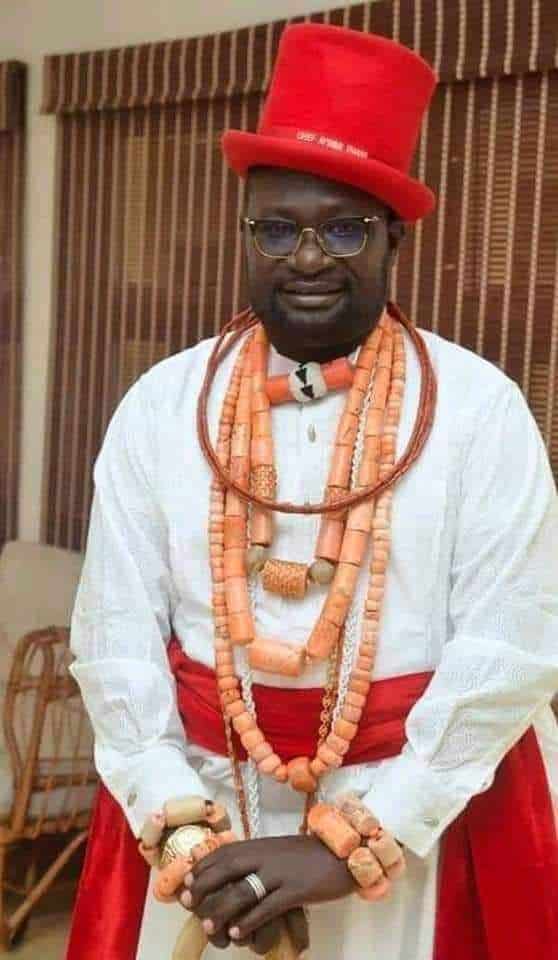
“My installation as Ologbotsere on October 20, 2017, by the 20th Olu of Warri, Ogiame Ikenwoli, alongside the crowning of Eheneden Erediauwa as the Oba of Benin, Ewuare II, on October 20, 2016, was not coincidental.
It was the deliberate wish of our ancestors,” Chief Emami stated, emphasizing the sacredness of Warri Kingdom and the authority vested in its traditional leaders.
The anniversary was intentionally low key following the recent passing of the Otiri/Emami family patriarch, Mr. Samson Orighoye Emami. Chief Emami highlighted that the Ologbotsere stool holds spiritual and cultural authority.
When he occupies the stool at his Egbokodo residence in Warri, the pronouncements made often come to fruition, reflecting the deep respect and influence of Warri Kingdom within the community.
Looking back, Chief Emami recounted how his late father, Chief Akonu Emami, was installed as a chief of Warri Kingdom in 1979, the same year His Royal Majesty, Omo n’Oba n’Edo Uku Akpolokpolo Erediauwa I, ascended the throne as the 38th Oba of Benin.
This historical connection, he said, reinforces the intertwined legacy of Warri Kingdom and the Emami family.
“Nobody can stop me from advocating for the Itsekiri people,” Chief Emami emphasized.
“Whatever is due to the Itsekiri must be rightfully given to them. Only God knows why He placed the Itsekiris, Ijaws, and Urhobos together. No tribe should attempt to claim what belongs to another. Leadership in a location is divinely ordained, and it must be respected.”
Chief Emami also shared that he had prayed to the ancestors for forgiveness on behalf of some Itsekiris who mistakenly believed they had placed curses on him or his supporters.
He described these ancestral appeals as part of his commitment to unity, spiritual guidance, and the enduring authority of Warri Kingdom.
Extending blessings to national and state leaders, he said, “God will continue to bless President Bola Tinubu for the positive way he is governing. Likewise, God will bless Delta State Governor, Rt. Hon. Sheriff Oborevwori.
The benefits that the Governor receives from the Federal Government, I shall also obtain from the State Government.
While I did not work for the Governor’s emergence, I actively supported President Tinubu’s victory. May our ancestors guide us to achieve everything the Itsekiri people deserve at both federal and state levels.”
Reinforcing Chief Emami’s call for unity, Mr. Alex Eyengho, spokesman for Ologbotsere Descendants Worldwide, addressed journalists.
He stressed the importance of respecting traditional titles and preserving Warri Kingdom’s heritage. Eyengho underscored that cultural recognition must take precedence over personal ambition or political maneuvering, ensuring that Warri Kingdom remains protected and respected.
The ceremony attracted a distinguished assembly of Ologbotsere descendants and prominent figures, including Chief Mike Odeli, Pa Wanikone Otsemaye, Pa Robinson Abiyere, Pa Monday Alayigba, Engr. Tuoyo Omatsuli, Mr. Canaan Ajagbawa, Hon. Alex Bawo Nanna, Mr. John Omatsola, Esimaje Omaghomi Besidone, Mr. Moses Pessu, Hon. Orighomisan Omatsuli, and Mr. David Ighomenyetan. Their presence reflected the enduring respect for Warri Kingdom and the Ologbotsere office within Delta State.
Chief Emami emphasized that traditional leadership is more than ceremonial; it ensures that the rights of indigenous peoples are protected, and that government policies reflect historical justice. For the Itsekiri people, this includes rightful recognition, representation, and access to resources linked to Warri Kingdom.
In closing, Chief Emami’s address highlighted the sacredness of Warri Kingdom, the authority of ancestral wisdom, and the need for unity among the Itsekiri people.
By challenging the misuse of Warri Kingdom’s title by non-Itsekiri leaders, he reinforced that cultural heritage and rightful leadership must be preserved for future generations.
Through continued advocacy, ancestral guidance, and civic engagement, Chief Emami remains central in safeguarding the integrity of Warri Kingdom, ensuring that its culture, history, and leadership remain honored.
His vision for Warri Kingdom is clear: a united Itsekiri community, recognized and respected within Delta State and across Nigeria, with the kingdom standing as a symbol of cultural pride, historical continuity, and rightful governance.
More news at ireport247news