Japan nuclear plant restart has returned to the centre of global attention as Japan prepares to reactivate the world’s largest nuclear facility at Kashiwazaki-Kariwa, fifteen years after Fukushima.
Located on Japan’s Sea coast in Niigata prefecture, Kashiwazaki-Kariwa is the biggest nuclear power station globally, with seven reactors capable of generating 8.2 gigawatts.
Despite its immense capacity, the plant has produced no electricity since 2012, remaining dormant after Japan shut most reactors following the Fukushima nuclear disaster.
The current Japan nuclear plant restart plan reflects a decisive policy shift by Tokyo, which now views nuclear energy as essential for stability, emissions reduction, and long-term security.
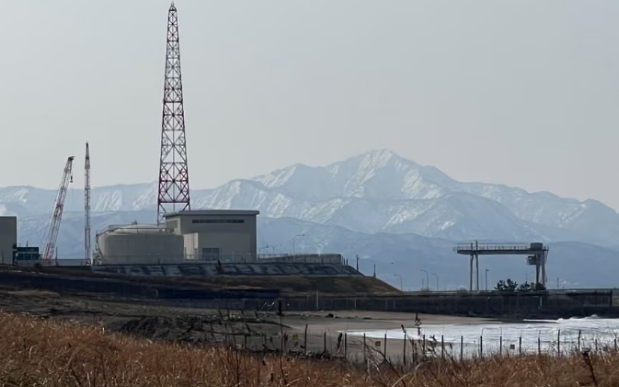
Officials argue the restart will strengthen electricity supply to the Tokyo region, easing pressure on households and industries affected by volatile fossil fuel prices.
Before Fukushima, nuclear reactors supplied nearly thirty percent of Japan’s electricity, but today far fewer operate, leaving the country increasingly dependent on imported energy sources.
Supporters of the Japan nuclear plant restart insist advanced safety upgrades make modern reactors fundamentally different from those operating before the 2011 catastrophe.
Tokyo Electric Power Company, which runs Kashiwazaki-Kariwa, says it has invested heavily in tsunami defences, seismic reinforcements, and multiple layers of backup power systems.
New seawalls, watertight doors, mobile generators, and enhanced filtration units are presented as evidence that another Fukushima-style failure is extremely unlikely.
Tepco also highlights extensive staff training and emergency response planning, claiming preparedness now meets the world’s most stringent nuclear regulatory standards.
However, residents living near the plant remain unconvinced, saying no technological improvement can fully neutralise earthquake and tsunami risks in a seismically active region.
Around 420,000 people live within thirty kilometres of Kashiwazaki-Kariwa, an area designated for evacuation in the event of a severe nuclear emergency.
Many residents argue evacuation plans are unrealistic, particularly during winter when heavy snow can block narrow roads and isolate coastal communities for extended periods.
Elderly populations dominate nearby towns and villages, raising fears that large-scale evacuations would be chaotic, slow, and potentially deadly under real emergency conditions.
Local opposition has remained strong, with surveys showing a majority of residents believe safety conditions for restarting the plant have not been adequately met.
Calls for a prefectural referendum on the Japan nuclear plant restart were rejected, further deepening distrust between communities, regulators, and central government authorities.
Critics say the absence of a public vote undermines democratic legitimacy and fuels perceptions that decisions are imposed rather than negotiated with affected populations.
Concerns have also been heightened by recent revelations elsewhere in Japan’s nuclear industry involving falsified seismic risk data during regulatory safety reviews.
Such incidents reinforce fears of a tightly connected “nuclear village” linking utilities, regulators, and politicians, where economic priorities may outweigh public safety.
Kashiwazaki-Kariwa itself has a troubled history, having suffered damage during a powerful offshore earthquake in 2007 that caused fires and reactor shutdowns.
Although no major radiation release occurred then, opponents argue the incident proves seismic threats cannot be dismissed, regardless of engineering improvements claimed.
For the Japanese government, however, abandoning the Japan nuclear plant restart would complicate climate goals and energy planning at a critical economic moment.
Japan has pledged to cut carbon emissions significantly, and nuclear power is seen as a stable, low-carbon alternative to coal and gas generation.
Rising geopolitical tensions and supply disruptions have also highlighted vulnerabilities linked to heavy reliance on imported fossil fuels.
Officials argue restarting Kashiwazaki-Kariwa would reduce energy import bills while improving national resilience against external shocks and price volatility.
International observers are watching closely, viewing the Japan nuclear plant restart as a test of whether nuclear energy can regain legitimacy after catastrophic failure.
Supporters say Japan’s regulatory framework is now among the strictest globally, shaped directly by the hard lessons learned from Fukushima.
The Nuclear Regulation Authority was created after 2011 to operate independently from industry influence, a reform intended to rebuild domestic and international trust.
Still, sceptics question whether true independence exists, pointing to political pressure surrounding energy shortages and economic growth priorities.
The timing of the restart, approaching the fifteenth anniversary of Fukushima, adds symbolic weight and emotional sensitivity to the decision.
For many survivors of the 2011 disaster, reopening the world’s largest nuclear plant feels like reopening wounds that never fully healed.
Families displaced by radiation contamination remain unable to return home, while cleanup and decommissioning at Fukushima Daiichi continue decades later.
These unresolved consequences shape public perception, making assurances about safety improvements harder for officials and operators to communicate convincingly.
Tepco has attempted to address community concerns through long-term investment pledges aimed at supporting regional development and infrastructure.
The company has promised billions of yen in funding for Niigata prefecture over coming years, hoping economic incentives will ease local resistance.
Opponents counter that financial compensation cannot offset the potential human cost of another nuclear accident, no matter how improbable officials claim it is.
Environmental groups argue resources would be better spent accelerating renewable energy deployment rather than reviving controversial nuclear facilities.
Japan has made progress expanding solar and wind power, but grid limitations and land constraints complicate rapid, large-scale renewable integration.
This reality strengthens the government’s argument that nuclear power remains necessary for a balanced and reliable energy mix.
As preparations continue, the Japan nuclear plant restart has become a national symbol of unresolved tension between economic necessity and collective memory.
The decision surrounding Kashiwazaki-Kariwa will likely influence future reactor restarts and shape Japan’s energy trajectory for decades ahead.
Whether the restart proceeds smoothly or faces renewed delays, it underscores how deeply Fukushima continues to influence policy, trust, and public debate.

For residents living beneath the shadow of the reactors, the issue is not abstract policy but daily life, safety, and the future of their communities.
For Japan, the Japan nuclear plant restart represents a defining moment in reconciling technological ambition with accountability, caution, and historical responsibility.
About The Author