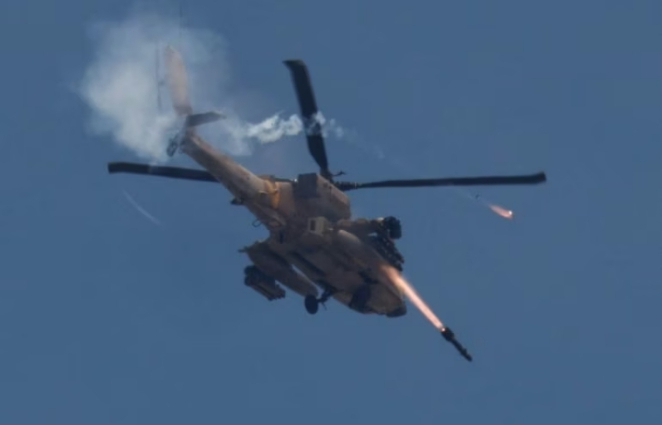
Israeli strikes kill 12 Palestinians across several areas of Gaza, according to hospital officials, marking one of the deadliest days since a ceasefire agreement began taking shape earlier this month.
The deaths occurred despite growing diplomatic momentum aimed at reducing hostilities and reopening key border crossings, underscoring the fragile and uncertain nature of the truce efforts.
Medical officials in Gaza confirmed that the strikes took place in both northern and southern parts of the territory, hitting residential areas and temporary shelters where displaced families were staying.

Among those killed were women and children from different families, adding to the mounting toll on civilians who have already endured months of sustained conflict and humanitarian hardship.
The attacks came just one day before the Rafah border crossing between Gaza and Egypt is expected to reopen, a development that many Palestinians view as a vital lifeline.
The crossing has been closed for months, preventing thousands of wounded and critically ill residents from seeking medical treatment outside the enclave and limiting the flow of essential supplies.
Hospital sources reported that one strike hit an apartment building in Gaza City, killing a mother, her children, and another relative.
In a separate incident in the southern city of Khan Younis, a strike reportedly ignited a fire in a tent camp housing displaced people, resulting in multiple fatalities from the same extended family.
The victims included young children who had been sheltering after fleeing earlier fighting.
Israeli strikes kill 12 Palestinians at a time when expectations of de-escalation had begun to rise. The ceasefire agreement, which came into effect earlier in October, was intended to halt large-scale fighting and create conditions for humanitarian relief.
However, continued military actions have raised concerns among aid agencies and residents that the truce remains unstable and vulnerable to collapse.
Gaza’s health authorities say more than 500 Palestinians have been killed by Israeli fire since the ceasefire began. While the health ministry operates under the local governing authority, its casualty figures have consistently been regarded as credible by international organizations and independent observers due to detailed record-keeping and verification methods.
The ongoing violence has compounded an already dire humanitarian situation. Much of Gaza’s medical infrastructure has been damaged or destroyed during months of fighting, leaving hospitals overwhelmed and short of supplies.
Doctors say they are struggling to treat patients with limited equipment, intermittent electricity, and shortages of essential medicines.
For many residents, the expected reopening of the Rafah border crossing represents hope amid despair. The crossing is Gaza’s only gateway not directly controlled by Israel and is critical for evacuating patients, delivering aid, and easing pressure on the densely populated territory. Its prolonged closure has trapped thousands who require specialized medical care unavailable inside Gaza.
Despite the ceasefire agreement inching forward, Israeli strikes kill 12 Palestinians in incidents that highlight the persistent risks facing civilians. Families displaced multiple times during the conflict continue to seek refuge wherever possible, often in overcrowded shelters or makeshift camps that offer little protection from renewed airstrikes.
The Israeli military did not immediately comment on the reported strikes or the circumstances surrounding them. In previous statements, Israel has said it targets militant infrastructure and individuals it accuses of posing security threats, while maintaining that it seeks to minimize harm to civilians. Palestinian officials and human rights groups, however, argue that the scale of civilian casualties indicates otherwise.
International mediators involved in the ceasefire negotiations have urged restraint and called on all sides to adhere strictly to the terms of the agreement.
Diplomatic efforts have focused on preventing further escalation, facilitating humanitarian access, and laying the groundwork for longer-term stability in the region.
Residents of Gaza say daily life remains dominated by fear and uncertainty. Even during periods labeled as ceasefires, the sound of aircraft overhead and sporadic explosions continues to disrupt any sense of normalcy.
Parents describe children struggling with trauma, while adults grapple with loss, displacement, and the constant challenge of securing food and clean water.
Israeli strikes kill 12 Palestinians in a context where humanitarian needs are growing rather than diminishing. Aid agencies warn that without sustained access through border crossings, the situation could deteriorate further, especially as winter conditions place additional strain on displaced families living in tents or damaged buildings.
The deaths have also intensified calls for accountability and transparency. Human rights organizations continue to document incidents involving civilian casualties, urging independent investigations and adherence to international humanitarian law.
They stress that protecting civilians must remain a priority regardless of the political and military objectives involved.
As Gaza awaits the reopening of Rafah, many residents remain skeptical that meaningful change is imminent. Previous ceasefires have collapsed amid renewed violence, leaving communities hesitant to believe that the current agreement will bring lasting relief.
Read also: US releases over three million pages of Jeffrey Epstein investigation records
For families who lost loved ones in the latest strikes, diplomatic progress offers little comfort. Funerals were held quietly as hospitals and morgues worked under strain, and survivors spoke of grief layered on top of months of suffering.
Israeli strikes kill 12 Palestinians at a moment that was supposed to signal a turning point toward calm. Instead, the incidents serve as a stark reminder that the path to peace remains uncertain and fragile, with civilians continuing to bear the heaviest cost.
As negotiations continue and border crossings prepare to reopen, the situation on the ground remains volatile. Whether the ceasefire agreement can hold and translate into tangible improvements for Gaza’s population remains an open question, one that will be judged not by statements, but by the absence of further civilian deaths.
About The Author