“Israeli military warns residents to evacuate Lebanese village before attack” as tensions surge in southern Lebanon, where civilians were urged to leave immediately ahead of a planned strike targeting Hezbollah-linked infrastructure.
The “Israeli military warns residents to evacuate Lebanese village before attack” announcement was delivered through official military channels, instructing people to move at least 300 metres away from a marked structure.
According to Avichay Adraee, the building identified in Arab al-Jal village was allegedly linked to Hezbollah operations, with military action expected within what he called the “near timeframe.”
Residents described panic and urgency as messages spread quickly, with families gathering essential belongings and seeking safer locations while uncertainty grew over the timing and scale of the expected strike.
Many civilians expressed confusion about evacuation routes and destinations, especially in rural areas where infrastructure is limited, making rapid movement difficult during sudden military warnings of this nature.
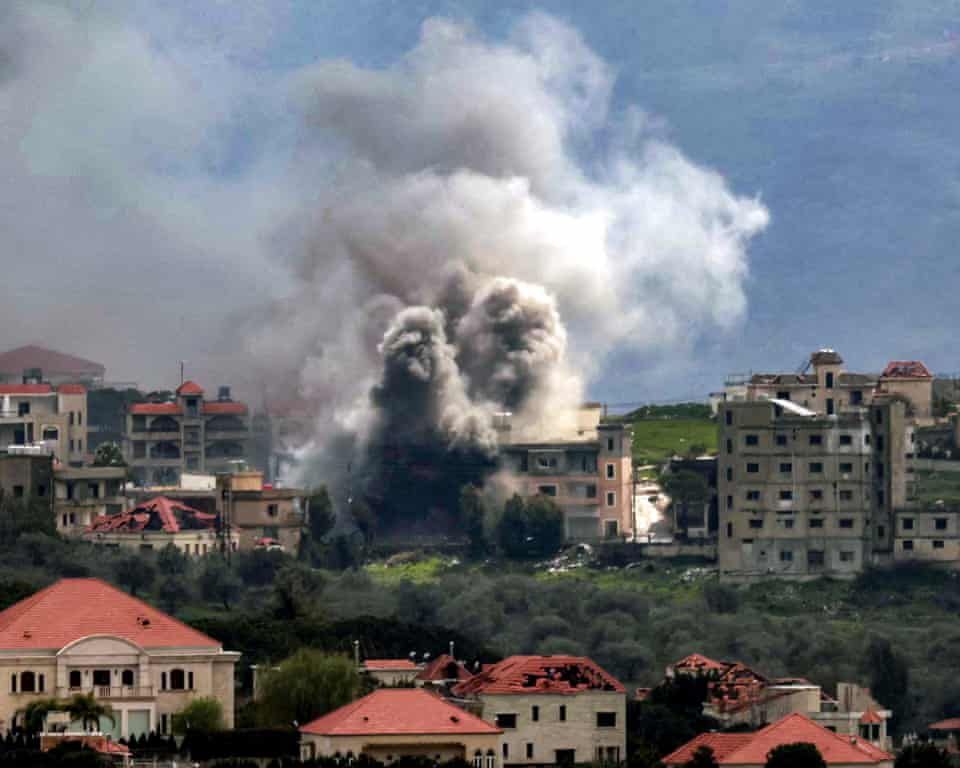
The development reflects intensifying “Israel Lebanon border tensions,” with repeated confrontations raising fears of broader escalation involving Hezbollah and potential regional actors supporting both sides.
Military experts suggest that such warnings are typically issued before precision strikes, intended to reduce civilian casualties while targeting facilities believed to support militant activities within populated environments.
However, critics argue that warnings often come with insufficient time, leaving vulnerable populations at risk, particularly the elderly and those without access to transportation or reliable communication systems.
The “Hezbollah infrastructure strike threat” has once again drawn attention to the challenges of distinguishing between civilian and military sites in conflict zones with dense populations and complex local dynamics.
Local officials in southern Lebanon advised residents to comply with evacuation instructions, emphasizing the seriousness of the warning while attempting to coordinate emergency support for displaced individuals.
Humanitarian groups raised concerns about repeated displacement, noting that communities in the region have endured multiple evacuations, leading to increased hardship and reduced resilience over time.
Witnesses reported heightened drone activity in the skies above the village, contributing to fear and anticipation as residents awaited further developments regarding the potential military operation.
The Israeli military maintains that its actions are based on intelligence assessments, stressing that warnings are part of efforts to minimize harm while addressing threats posed by militant groups.
Still, the “civilian evacuation conflict zone” reality highlights the difficulties faced by non-combatants who must make rapid decisions under pressure without full knowledge of the situation.
Hezbollah has previously denied using civilian infrastructure for military purposes, accusing Israel of targeting populated areas under the justification of security operations.
Regional analysts warn that each escalation increases the risk of retaliation, potentially triggering a cycle of violence that could expand beyond localized confrontations along the border.
The situation underscores broader geopolitical tensions involving Iran and Israel, with southern Lebanon frequently serving as a focal point for indirect conflict between opposing alliances.
In Arab al-Jal village, families weighed the risks of staying versus leaving, particularly those with limited mobility or resources, highlighting the human cost of sudden evacuation directives.
Some residents relocated to nearby communities, while others hesitated, uncertain whether the warning would be followed by immediate action or serve as a precautionary measure.
The psychological impact of such warnings continues to grow, as repeated alerts create an atmosphere of fear and instability among civilians living in conflict-prone regions.
Security observers note that evacuation notices are increasingly used in modern warfare as a means of balancing operational goals with international expectations regarding civilian protection.
Despite these intentions, the effectiveness of warnings depends on how quickly civilians can respond, which varies significantly depending on local conditions and available resources.
Reports indicate that the marked structure has become a focal point, with nearby residents closely monitoring developments while preparing for potential escalation at any moment.
The “Israeli military warns residents to evacuate Lebanese village before attack” directive has reinforced concerns about the fragile security situation along the border.
International organizations have called for restraint, urging all parties to prioritize civilian safety and avoid actions that could lead to wider instability across the region.
Diplomatic efforts to reduce tensions remain ongoing, though progress is limited due to deep-rooted mistrust and competing strategic interests among involved actors.
Residents voiced frustration over limited access to reliable information, with many relying on social media updates that may not always provide accurate guidance during emergencies.
Daily life has been disrupted, with businesses closing temporarily and schools suspending activities in response to the heightened security risks and uncertainty.
The broader “Israel Lebanon border tensions” continue to shape both military strategy and civilian experiences, influencing decisions on both sides of the conflict.
Analysts suggest that such warnings may also serve as psychological pressure on militant groups, signaling readiness to act while attempting to reduce collateral damage.
However, the risk of retaliation remains significant, as any strike could prompt a response from Hezbollah, potentially escalating the situation further.
Previous incidents have shown that evacuation warnings can precede targeted strikes, though outcomes depend heavily on intelligence accuracy and operational execution.
For humanitarian agencies, the focus remains on preparing for potential displacement, ensuring that resources are available if civilians are forced to leave their homes.
The “Hezbollah infrastructure strike threat” continues to dominate discussions, reflecting ongoing challenges in managing conflict within civilian-populated environments.
Residents have been urged to remain alert and follow official instructions, though many acknowledge the difficulty of making quick decisions under uncertain conditions.
As tensions persist, global attention remains fixed on the region, recognizing that even limited confrontations can have broader implications for international stability.
Read also: Pakistan Afghanistan shelling kills civilians as children among victims in escalating border conflict
The unfolding events highlight the complexity of modern conflict, where military objectives, political considerations, and humanitarian concerns intersect in unpredictable ways.
The “Israeli military warns residents to evacuate Lebanese village before attack” situation serves as a stark reminder of the risks faced by civilians caught in geopolitical struggles.
About The Author