Israel reports killing senior Hamas figure Raed Saad in Gaza City during a targeted military strike, sparking renewed tensions in the region despite an ongoing fragile ceasefire agreement.
According to the Israeli military, the operation targeted Raed Saad for allegedly working to rebuild Hamas’s military capabilities, which have been severely weakened over the past two years.
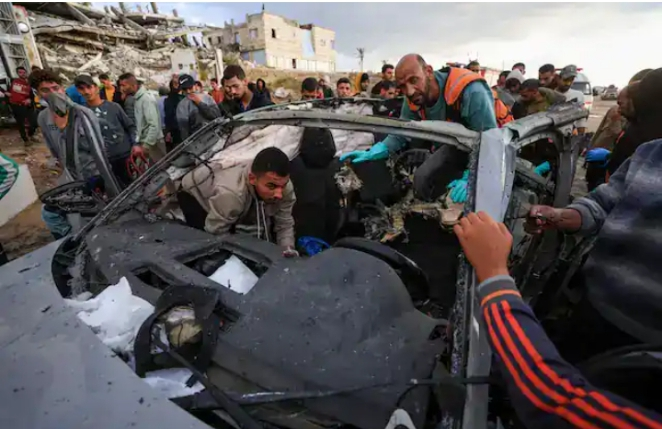
Gaza health authorities reported that the strike killed five people and wounded at least twenty-five others, with casualties ranging from minor injuries to critical conditions.
Hamas has not confirmed the death of Raed Saad, instead stating that a civilian vehicle was hit outside Gaza City, and condemning the strike as a violation of the October ceasefire.
The Israeli army posted on Telegram that Raed Saad was involved in efforts to restore Hamas weapons production, describing him as a major figure in the organisation’s military infrastructure.
If confirmed, Saad’s death would represent the most significant targeting of a Hamas leader since the ceasefire was established, raising concerns over potential retaliation.
Israeli officials described Saad as the head of Hamas’s weapons manufacturing force, and one of the architects of the October 7, 2023 attacks on Israel.

Hamas sources claim he was the second-in-command of the group’s armed wing, reporting directly to Izz al-Din al-Haddad, and previously led the Gaza City battalion.
The Wafa news agency reported an Israeli drone strike near the Nabulsi junction in western Gaza City but did not confirm casualty numbers or whether Saad was among those killed.
Israel reports killing senior Hamas figure Raed Saad in Gaza City as the military claims it continues to act in self-defence against perceived threats from the enclave.
Since the ceasefire took effect in October, Gaza authorities say Israel has conducted nearly eight hundred attacks on the territory, killing at least 386 people, according to local reports.
These strikes are widely viewed as violations of the ceasefire, contributing to ongoing instability and hindering humanitarian efforts in Gaza.
Israel has also maintained strict control over aid access to Gaza, blocking the majority of humanitarian trucks from entering the enclave and exacerbating civilian suffering.
The United Nations General Assembly recently passed a resolution demanding unrestricted access for humanitarian aid and calling on Israel to comply with international law.
Israel rejected the UN resolution, stating it unfairly singles out Israeli actions while failing to address Hamas activities and security threats to civilians in Israel.
Hamas condemned the Gaza City strike, accusing Israel of using alleged targeted killings to justify continued military pressure despite the ceasefire agreement.
Israel reports killing senior Hamas figure Raed Saad in Gaza City at a time when diplomatic efforts to stabilise the truce remain fragile and uncertain.
Regional mediators have warned that repeated violations could collapse the ceasefire and trigger a wider escalation of violence across the Gaza Strip.
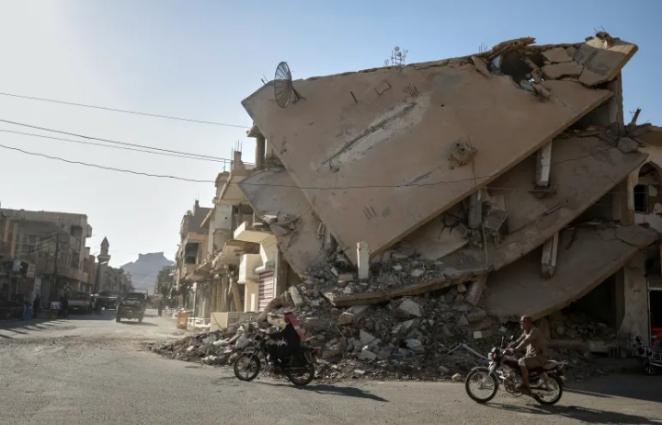
Residents near the strike site reported panic and damage to buildings, with emergency services struggling to reach the wounded amid road closures and limited electricity.
Medical staff in Gaza hospitals, already overwhelmed, said they faced shortages of medicines, fuel, and surgical supplies while treating casualties from the strike.
Israel argues that Hamas embeds fighters within civilian areas, complicating military operations, while Hamas insists Israel targets civilians to justify attacks on infrastructure.
Israel reports killing senior Hamas figure Raed Saad in Gaza City while continuing to maintain that its military operations are defensive and aimed at neutralising threats.
Experts warn that targeting senior Hamas leadership could provoke retaliation and disrupt ongoing negotiations aimed at maintaining the ceasefire.
The October ceasefire was designed to reduce civilian suffering, facilitate humanitarian aid, and allow reconstruction in Gaza, but repeated strikes undermine those objectives.
Israel’s actions have intensified fears of renewed violence, as Hamas threatens retaliation for any further killings of its senior commanders.
Humanitarian organisations report that restricted aid access continues to worsen conditions for vulnerable populations, leaving thousands of civilians without adequate food, water, and medical care.
Israel reports killing senior Hamas figure Raed Saad in Gaza City amid rising international pressure to respect ceasefire commitments and comply with humanitarian obligations.
The Gaza City strike illustrates the ongoing challenges in enforcing peace agreements, with both sides accusing the other of violations while civilians bear the brunt.
Analysts suggest that high-profile targeted killings, like that of Raed Saad, could undermine regional stability and complicate international efforts to broker long-term solutions.
Residents of Gaza City described the strike as terrifying, with streets cordoned off and emergency responders struggling to evacuate wounded civilians.
Israel maintains that such operations are necessary to prevent Hamas from rebuilding its military capabilities and launching future attacks on Israeli civilians.
Hamas continues to accuse Israel of disproportionate force and repeatedly violating ceasefire agreements, arguing that attacks on civilian areas are unjustified.
Israel reports killing senior Hamas figure Raed Saad in Gaza City, marking a potential turning point in the conflict that could escalate tensions and provoke retaliation.
The international community continues to call for restraint, emphasising the need to prioritise humanitarian access and protect civilians in Gaza.
Despite diplomatic warnings, Israel asserts that it will continue to target perceived security threats, while Hamas pledges to defend its leadership and territory.
The Gaza City strike underscores the fragile nature of ceasefire agreements in the region, where repeated incidents threaten to undo months of negotiation and peace efforts.
Israel reports killing senior Hamas figure Raed Saad in Gaza City as the humanitarian crisis persists, with both sides continuing to bear responsibility for civilian suffering.