

Israel Gaza conflict is entering a new phase of political manoeuvring as Hamas resists what analysts call the New Rafah plan, arguing the proposal would reduce Gaza to isolated enclaves and delay rebuilding until after Israeli elections. The standoff is deepening uncertainty for civilians while putting further pressure on Prime Minister Benjamin Netanyahu’s fragile far-right coalition.
New Rafah Plan: A Roadblock And A Red Line 🚧
The New Rafah plan has become the central point of contention. Critics say it would effectively carve Gaza into disconnected zones under tight Israeli control, with limited scope for governance or recovery. For Hamas, the plan represents an existential threat to its claim to rule.
“Hamas knows that if NCAG just moves into New Rafah, it would be delegitimised as the ruler of bantustans or a concentration camp,” said Muhammad Shehada, a visiting fellow at the European Council on Foreign Relations.
That assessment captures why Hamas is moving quickly to change the dynamics on the ground and in negotiations. Shehada added, “Hamas is trying to recapture the initiative. They are trying to recapture the initiative and circumvent the roadblock created by the New Rafah plan.”
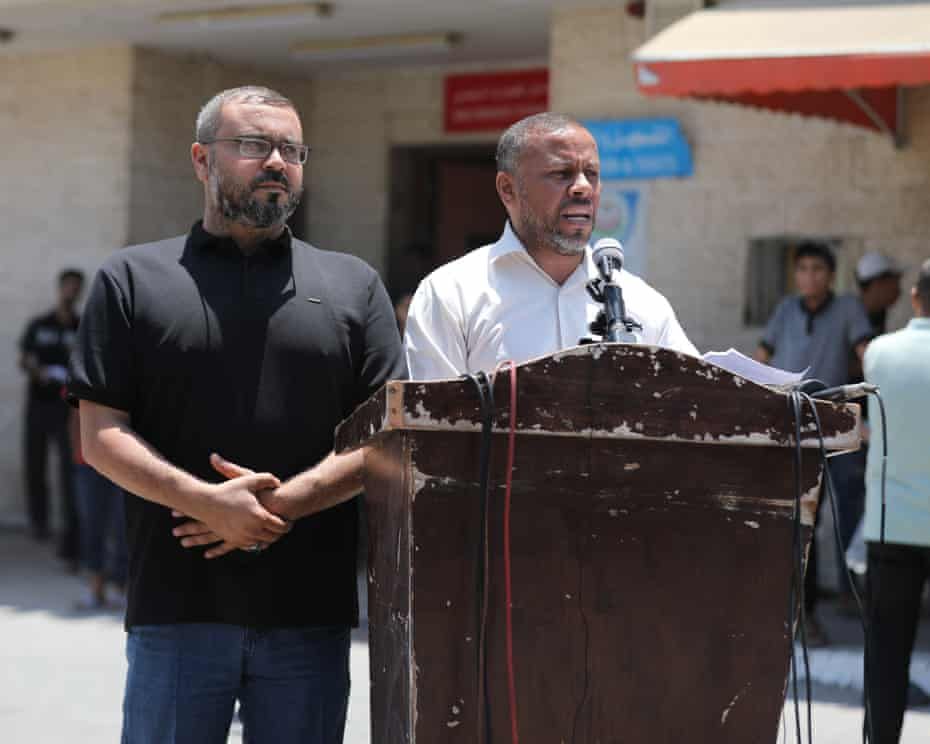
Hamas Political Strategy: Reclaiming Leverage
Hamas is framing its response as both military and diplomatic. By launching operations and signaling openness to talks, the group aims to show it cannot be bypassed in any post-war arrangement. The goal is to avoid a scenario where Gaza’s administration is handed to an alternative authority while Hamas is left with no political role.
Shehada argues that even major concessions may not shift Israeli policy in the near term. “Even if they agree to disarm unilaterally and do everything they are asked to do, Hamas knows Netanyahu will not allow reconstruction anywhere in Gaza before elections,” he said. That calculation is shaping Hamas’s approach. Rather than waiting for a post-election process, the group is trying to force movement now, before domestic Israeli politics harden positions further.
Gaza Reconstruction: Held Hostage To Politics 🏚️
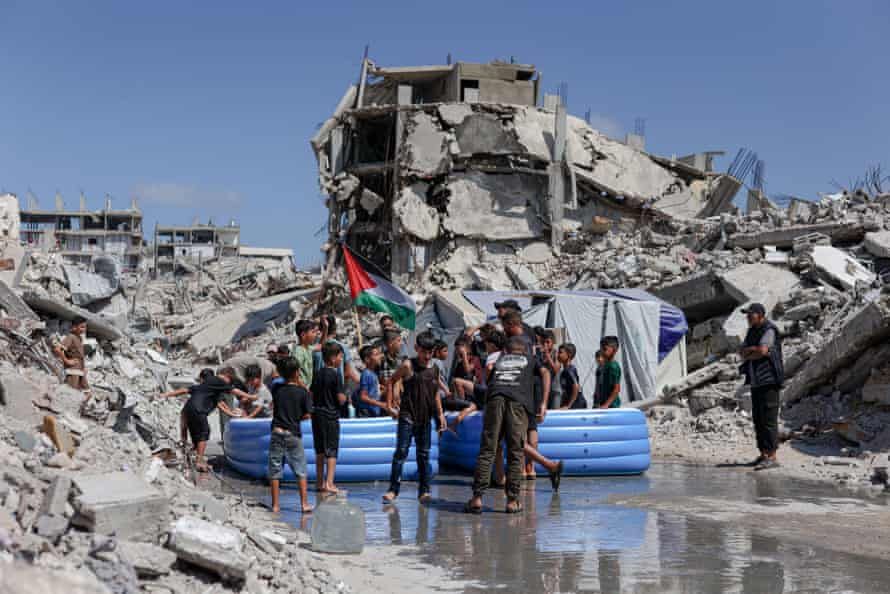
Gaza reconstruction remains frozen. Homes, schools, hospitals and water infrastructure damaged in months of fighting have not been rebuilt, and aid delivery is constrained by security controls and political disputes. For residents, the result is daily hardship. Families are living in damaged buildings or temporary shelters. Markets face shortages. Medical facilities are operating with limited supplies.
The political timeline in Israel is a key factor. With a national vote due by late October, Netanyahu is focused on holding his coalition together. That coalition includes far-right parties that oppose large-scale reconstruction in Gaza without what they describe as guarantees on security and demilitarisation. For them, any rebuilding before elections would be seen as a concession to Hamas.
Diplomats in the region expect little movement on Gaza’s future until after the vote. That leaves a months-long gap where humanitarian needs are growing but political authority to approve major projects is absent. International donors are reluctant to commit funds without clarity on who will govern and how reconstruction will be managed.
Netanyahu Coalition Pressure: Governing On The Edge
Netanyahu coalition pressure is shaping every decision. The prime minister is struggling to keep his government intact amid protests, legal challenges and disagreements over war aims. Far-right ministers have threatened to quit if the government agrees to terms they see as rewarding Hamas. At the same time, centrist and security officials warn that prolonging the crisis without a plan for Gaza will damage Israel’s international standing and security.
This tension limits Netanyahu’s room to maneuver. Approving reconstruction now could trigger a coalition collapse. Rejecting it outright deepens the humanitarian crisis and invites more diplomatic criticism. The result is a holding pattern, with incremental military operations and limited humanitarian access, but no strategic framework for what comes next.
Regional Dynamics And US Foreign Policy 🇺🇸
The Israel Gaza conflict is not unfolding in isolation. US foreign policy is pressing for a pathway to stability, including hostage releases, increased aid and a political horizon. Washington has signaled support for Israel’s security while urging steps to prevent further civilian harm and to prepare for post-war governance.
Regional actors are also involved. Egypt, Qatar and other mediators have been engaged in talks around ceasefires and aid corridors. The New Rafah plan, however, complicates those efforts because it is perceived by Palestinians as entrenching division rather than enabling recovery. For Hamas, accepting such a structure would mean accepting permanent marginalisation.
What Hamas Wants And What Israel Fears
Hamas wants recognition as a political actor in any future Gaza administration, even if it steps back from direct military control. It also wants guarantees that reconstruction will begin without waiting for Israeli elections. Israel, particularly elements within the current government, fears that rebuilding without full demilitarisation will allow Hamas to rearm and reassert control.
That gap is why Shehada describes the New Rafah plan as a “roadblock.” It is not just a military arrangement. It is a political statement about who will have authority in Gaza and under what conditions. Until that question is answered, reconstruction funding, governance models and security arrangements will remain in limbo.
Civilians Caught In The Middle 👨👩👧👦
For people in Gaza, the political debate is secondary to survival. Access to clean water, electricity, and medical care is inconsistent. Children are missing school. Families are separated. The uncertainty about housing is acute, with many unsure whether their homes can be repaired or whether they will be displaced again.
In Israel, communities near Gaza are also living with uncertainty. The threat of rockets and cross-border attacks persists, and the political debate at home is intense. The upcoming elections will decide not only who governs but also what approach Israel takes toward Gaza’s future.
What Happens Next ⏳
Until late October, progress is likely to be limited. Netanyahu’s priority is coalition stability. Hamas’s priority is avoiding political irrelevance. Mediators’ priority is keeping humanitarian channels open.
Read more: Russia Ukraine strikes: deadly barrage hits Kyiv on eve of Nato summit 🔥🇺🇦💥
After the elections, the new government will face immediate choices. Will it approve a reconstruction plan that involves international oversight and some role for Palestinian administration? Will it accept security guarantees that allow building materials and equipment to enter at scale? Will Hamas agree to steps that address Israeli security concerns without surrendering all political influence?
Israel Gaza conflict remains deadlocked around these questions. The New Rafah plan is the flashpoint, with Hamas political strategy focused on circumventing it and Netanyahu coalition pressure limiting what Israel can offer now. Gaza reconstruction hangs in the balance, and for civilians on both sides, the cost of delay is measured in daily hardship.
About The Author


