

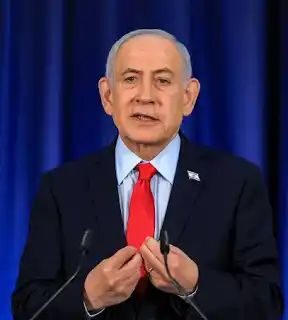
The Israel excludes Lebanon from Trump ceasefire deal development has intensified geopolitical tensions after Benjamin Netanyahu confirmed that Israel will not extend the ceasefire arrangement to Lebanon despite supporting U.S. diplomatic efforts.
Israel backed Donald Trump’s decision to pause strikes on Iran, but made clear that its military operations concerning Lebanon remain active and unaffected by the agreement.
In a statement, Israeli officials stressed support for the U.S. move, provided Iran agrees to “immediately open the Strait of Hormuz and stop attacks” against allied nations in the region.
The Israel excludes Lebanon from Trump ceasefire deal situation underscores the complexity of the broader conflict, where overlapping fronts and alliances complicate efforts toward a unified de-escalation strategy across the Middle East.
Earlier, Shehbaz Sharif had suggested that the ceasefire framework might extend to Lebanon, raising initial hopes for a wider regional pause in hostilities.
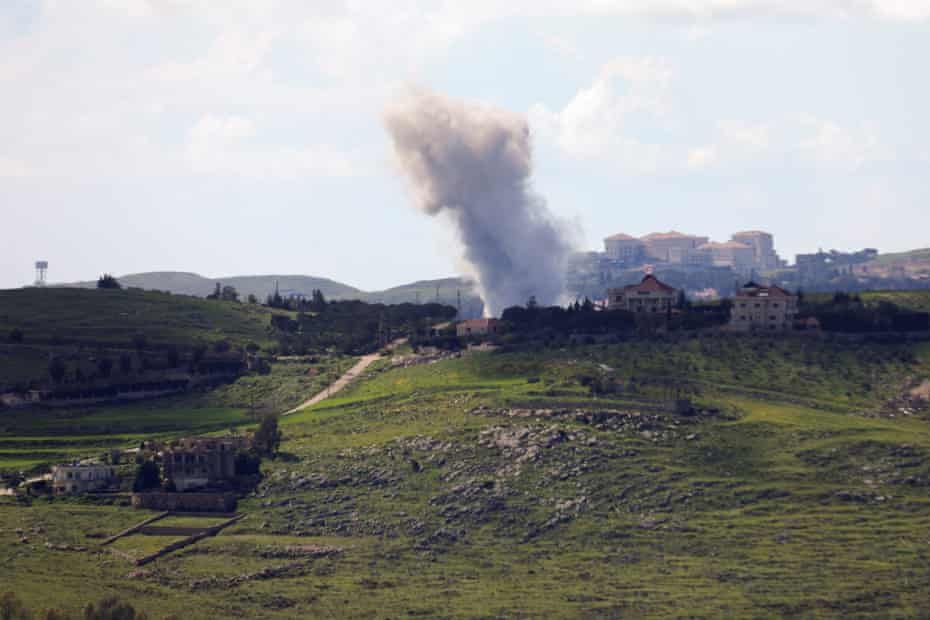
However, Israel swiftly clarified that no such inclusion exists, signaling its intent to continue military operations against threats emanating from Lebanese territory, particularly from Hezbollah.
The ongoing conflict between Israel and Hezbollah has been a major flashpoint, with repeated exchanges of fire escalating tensions along Israel’s northern border with Lebanon.
According to Lebanese authorities, Israeli strikes since the conflict intensified have resulted in over 1,400 deaths, including 126 children, and displaced more than one million people.
The humanitarian toll highlights the urgency of diplomatic solutions, even as military actions continue to dominate the situation on the ground in Lebanon.
The Israel excludes Lebanon from Trump ceasefire deal narrative follows renewed hostilities triggered after Hezbollah launched rockets into northern Israel in response to earlier targeted strikes involving Iranian leadership.
Among the most significant developments cited was the killing of Ali Khamenei in joint U.S.-Israeli airstrikes, a move that escalated tensions across multiple fronts.
This sequence of retaliatory actions has entrenched positions on both sides, making it more difficult to achieve a comprehensive ceasefire that includes all affected regions.
Israel maintains that its operations are necessary for national security, particularly in countering what it describes as Iranian-backed threats across the region.
Read more here:Trump ceasefire deal: Two-week pause in Iran conflict signals possible Middle East breakthrough
The Israel excludes Lebanon from Trump ceasefire deal stance also reflects Israel’s broader alignment with U.S. strategic objectives, particularly efforts to limit Iran’s military and nuclear capabilities.
Israeli officials reiterated support for U.S. initiatives to ensure Iran no longer poses a “nuclear, missile or terror threat” to Israel and its regional allies.
Washington has reportedly reassured Israel of its commitment to shared goals, even as it pursues negotiations with Tehran aimed at reducing tensions.
Trump previously stated, “We are very far along with a definitive Agreement concerning Longterm PEACE,” indicating optimism about diplomatic progress with Iran.
At the same time, the exclusion of Lebanon from the ceasefire framework raises concerns about the potential for continued violence despite broader diplomatic efforts.
The Israel excludes Lebanon from Trump ceasefire deal development creates a fragmented situation in which one front may cool while another remains active, complicating regional stability.
Iran has also signaled willingness to engage diplomatically, announcing that negotiations with the United States are set to begin in Islamabad on April 10.
These talks could prove pivotal in determining whether the ceasefire between the U.S. and Iran evolves into a more comprehensive agreement involving additional regional actors.
However, the absence of Lebanon from the current arrangement suggests that any broader peace deal may require separate negotiations addressing specific conflicts.
The role of Pakistan, particularly through Prime Minister Shehbaz Sharif, remains significant as a mediator facilitating dialogue between Washington and Tehran.
The Israel excludes Lebanon from Trump ceasefire deal situation highlights the limits of bilateral agreements in resolving multi-layered conflicts involving state and non-state actors.
Hezbollah’s involvement adds another layer of complexity, given its ties to Iran and its independent operational capacity within Lebanon.
Israel’s stance indicates that it views the Lebanese front as a distinct security challenge requiring continued military engagement regardless of U.S.-Iran negotiations.
Meanwhile, humanitarian concerns continue to grow, with displacement and casualties in Lebanon drawing international attention and calls for restraint.
The situation underscores the interconnected nature of Middle Eastern conflicts, where developments in one area often have ripple effects across the region.
The Israel excludes Lebanon from Trump ceasefire deal development may ultimately test the durability of the broader ceasefire, as ongoing violence could undermine diplomatic momentum.
Observers warn that without a comprehensive approach, isolated agreements risk being overshadowed by continued hostilities elsewhere.
Trump’s ceasefire initiative, while significant, now faces the challenge of addressing these gaps to achieve lasting peace across all affected areas.
The coming days will be crucial in determining whether negotiations can expand to include additional fronts or remain limited in scope.
The Israel excludes Lebanon from Trump ceasefire deal reality stands as a stark reminder that peace in the Middle East often requires navigating deeply entrenched and interconnected conflicts.
As talks begin and military operations continue, the region remains on edge, balancing between cautious optimism and persistent uncertainty.
The outcome will depend on whether diplomatic efforts can overcome divisions and bring all parties into a unified framework for peace.
About The Author
