

The Rafah border dispute continues to escalate as Israel and Egypt trade accusations over responsibility for renewed blockages that have worsened the already dire humanitarian situation in Gaza.
Israeli officials insist military operations around Rafah remain “essential security actions,” arguing Hamas maintains command tunnels nearby despite repeated international demands urging restraint and coordinated humanitarian access.
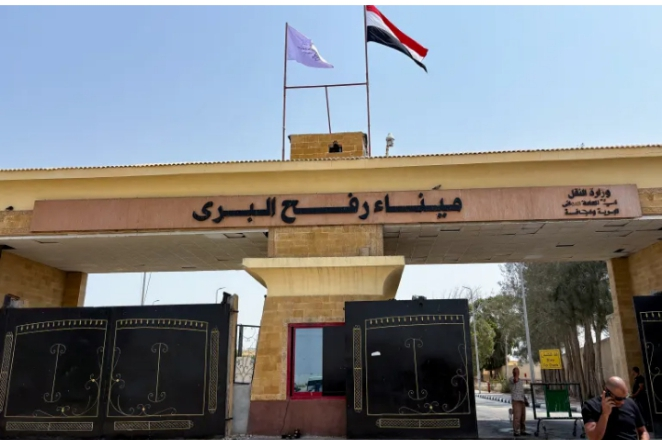
Egyptian authorities reject those claims, insisting Israel’s military presence near the crossing violates longstanding agreements regulating border activity, especially those protecting Egyptian territorial rights and national security interests.
Aid groups report thousands of stranded trucks waiting for clearance, warning prolonged delays caused by the Rafah border dispute will intensify shortages of food, medicine, fuel, and essential relief supplies.
A senior UN coordinator described the atmosphere as “deeply volatile,” adding that both countries must demonstrate “urgent cooperation” to prevent what he called an approaching “unmanageable humanitarian breakdown.”
Cairo maintains Israel must withdraw forces from specific buffer zones before any coordinated reopening can begin, insisting the terms form the core of agreements negotiated after earlier border tensions.
Israeli military spokespeople counter that operations near Rafah aim solely to neutralize threats, stating commanders cannot “ignore hostile activity” reportedly emerging from areas adjacent to the sealed crossing corridors.
Diplomatic sources say shuttle talks mediated by the United States continue quietly, though progress remains slow as each side prioritizes strategic interests over the immediate humanitarian urgency.
Washington officials acknowledge the stakes, with one senior envoy saying, “We need movement quickly, because people are suffering, and the region cannot absorb another prolonged standoff.”
Inside Gaza, displaced civilians describe the situation as unbearable. One local resident stated, “Every hour we wait feels heavier. We have no fuel, no medicine, nothing.”
The Palestinian Red Crescent reports rising medical emergencies, stressing that blocked entry points prevent the arrival of oxygen tanks, trauma supplies, and water purification materials essential for crisis response.
Analysts believe the Rafah border dispute now represents broader geopolitical tension, illustrating mistrust between regional powers since renewed fighting resumed earlier this year.
Egypt views the crossing as a crucial security valve protecting Sinai from instability, while Israel sees Rafah as a strategic gate controlling Hamas’ access to weapons and logistical support.
Both governments remain adamant about defending core positions, though neither wishes to appear obstructionist in the eyes of the global community observing the worsening humanitarian catastrophe.
Human rights observers argue prolonged disputes violate obligations under international law, especially provisions requiring safe humanitarian access for civilians trapped within conflict zones.
In recent days, UN agencies renewed public appeals urging both states to prioritize life-saving measures, stating the “situation transcends political disagreements and demands immediate coordinated action.”
A senior WHO representative warned, “The health system in Gaza is collapsing. Every hour counts, and resolving the Rafah border dispute is the fastest way to save lives.”
Israel continues evaluating alternative entry routes, though experts argue Rafah remains the most direct and logistically feasible channel capable of handling the massive volume of aid required.
Egypt insists unilateral Israeli control of crossing points sets a dangerous precedent, arguing the future stability of border relations depends on respecting previously negotiated frameworks.
Regional diplomats believe internal political pressures within both countries complicate negotiations, with leaders fearing any concession might be interpreted as weakness by domestic constituencies.
European governments have also weighed in, urging Israel and Egypt to “de-escalate administrative blockages” that indirectly punish civilians who have no influence over military decisions.
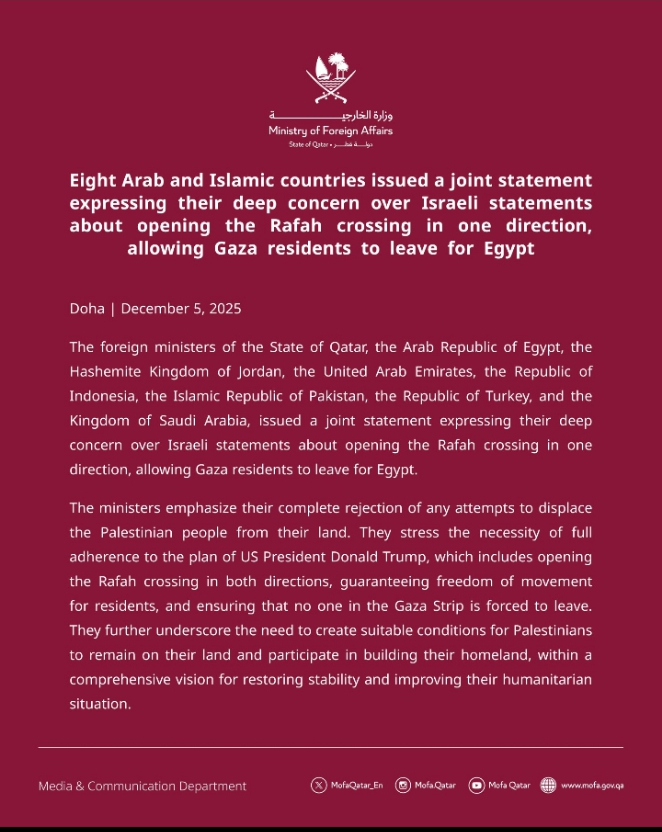
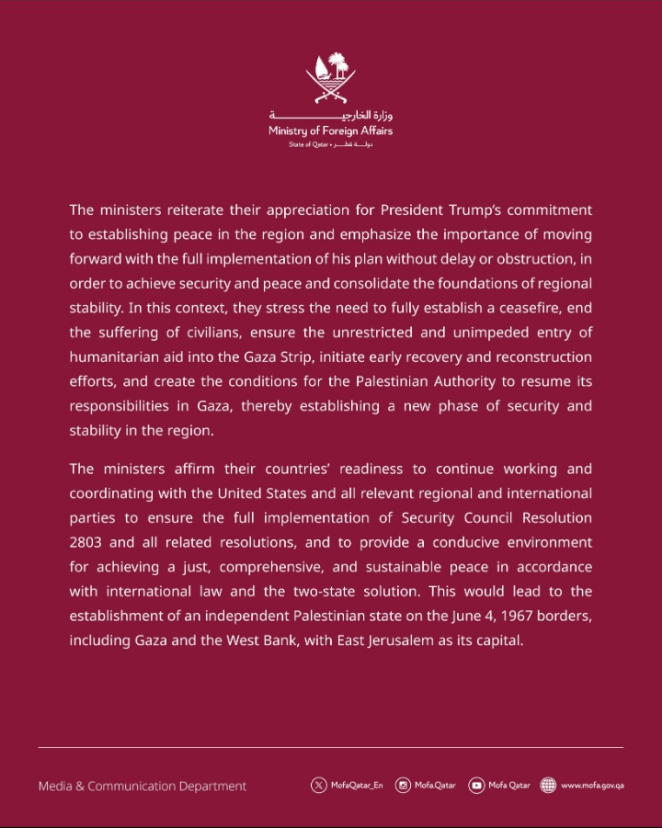
Humanitarian organizations stress that reopening Rafah even temporarily would significantly reduce pressure on hospitals, shelters, and aid distribution networks stretched far beyond capacity.
Satellite images show queues of stalled aid convoys extending several kilometers, underscoring the immense logistical burden created by continued border closures.
Some analysts fear the dispute could widen, affecting regional trade activity if diplomatic efforts fail to establish a clear path for coordinated border management.
Israel has floated proposals involving third-party monitoring, though Egypt prefers a strictly bilateral framework reinforced by international observers rather than direct administrative oversight.
Security experts note both sides worry about smuggling, infiltration, and unauthorized crossings — issues historically central to previous negotiations surrounding the Rafah corridor.
Meanwhile, displaced families continue waiting for clarity, with one father describing the uncertainty as “a second war — silent, exhausting, and without any visible end.”
The UN Relief and Works Agency reported rising cases of dehydration, malnutrition, and preventable infections, warning conditions will escalate without immediate restoration of aid flows.
Crisis analysts argue time is running out, predicting that any further entrenchment of positions could transform the Rafah border dispute into a long-term regional flashpoint.
Despite tensions, diplomats say small signs of flexibility emerged during late-night discussions, though no agreement has yet been announced publicly by either government.
Observers believe Washington may apply stronger pressure in the coming days, especially if humanitarian indicators continue worsening at the current alarming rate.
Aid volunteers on the ground insist civilians cannot wait for political breakthroughs, emphasizing that “food and medicine should not be bargaining tools in any conflict.”
The International Committee of the Red Cross reiterated that all parties must ensure safe, predictable access, stressing that border reopening is “a moral and strategic imperative.”
Analysts agree the Rafah border dispute will determine Gaza’s humanitarian trajectory for months, shaping relief operations, civilian survival, and regional diplomatic stability.
Israel’s war cabinet remains divided on whether tactical adjustments near Rafah could ease tensions without creating new vulnerabilities that militants might exploit.
Egypt continues reinforcing its security perimeter in Sinai, preparing for possible spillover effects if border confrontations intensify or civilian movement suddenly surges.
With both nations standing firm, mediators warn the dispute risks transforming into a protracted diplomatic deadlock unless leaders embrace compromise grounded in humanitarian necessity.
International observers emphasize that civilians remain the greatest victims, urging both states to “reset negotiations with empathy, urgency, and responsibility for human life.”
Despite mounting frustration, humanitarian coordinators say an agreement remains possible if political will aligns with regional pressure and sustained global attention.
For families inside Gaza, however, each passing day becomes a struggle for survival, with the resolution of the Rafah border dispute representing their only immediate lifeline.
About The Author


