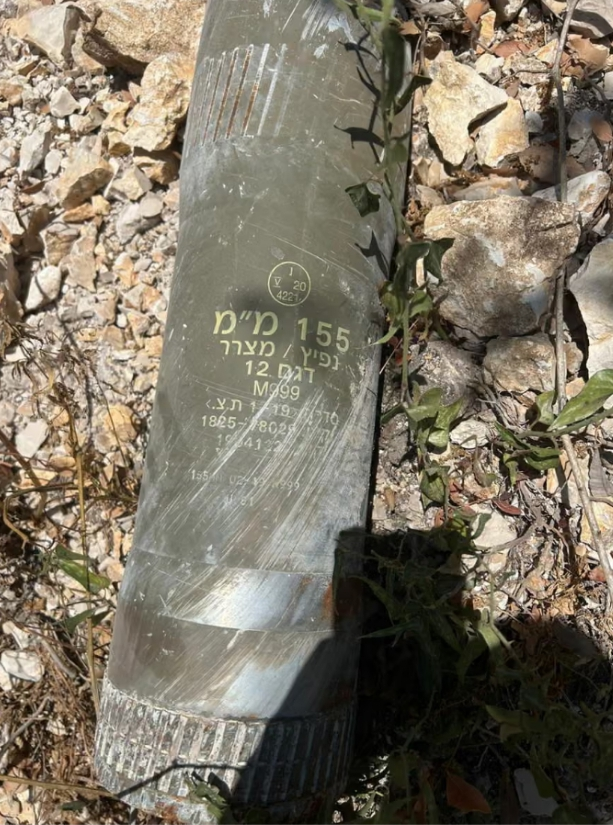
Israel bombs Lebanon once again, intensifying tensions in southern villages as civilians scramble to evacuate amid air strikes targeting Hezbollah positions and Palestinian refugee camps in the region.
The attacks, carried out early Tuesday morning, focused on the towns of Deir Kifa, Chehour, Aynata, and Tair Filsay, striking residential areas and reportedly destroying multiple buildings.
Lebanese authorities confirmed that at least thirteen people were killed in the Ein el-Hilweh Palestinian refugee camp near Sidon, with several others critically injured during the assault.
Video footage circulating on social media shows smoke rising from destroyed homes, illustrating the widespread panic and chaos experienced by families fleeing targeted buildings in southern Lebanon.
Israel’s military issued warnings to residents in the affected towns, ordering evacuations before bombing structures claimed to be Hezbollah military infrastructure and operational facilities.
Hezbollah condemned the strikes as violations of Lebanese sovereignty and the year-old ceasefire agreement, calling for the government to respond firmly to prevent further massacres.
Local hospitals reported an influx of injured civilians, with medical staff struggling to provide emergency care due to damaged roads and overwhelmed facilities in the Bint Jbeil district.
The wave of attacks represents a continuation of Israel’s pattern of strikes against both Hezbollah targets and Palestinian factions in southern Lebanon, often without advance notice.
Lebanon’s National News Agency detailed that three buildings were completely destroyed, while neighboring homes suffered structural damage, leaving families displaced and in urgent need of humanitarian assistance.
In previous attacks over the past 24 hours, Israeli air raids targeted a car in Ein el-Hilweh, killing thirteen, and another vehicle in Bint Jbeil, which resulted in one fatality and multiple injuries.
The international community expressed concern over the escalation, emphasizing the need to uphold ceasefire agreements and protect civilians amid repeated southern Lebanon attacks by Israeli forces.
Israel claims these strikes are aimed at neutralizing Hezbollah operatives and infrastructure, but human rights groups warn that the indiscriminate nature of the bombings puts noncombatants at extreme risk.
Residents described scenes of panic as families rushed to schools and community centers to shelter their children from impending air raids on buildings designated as Hezbollah targets.
The targeting of Palestinian refugee camps further fuels humanitarian concerns, as densely populated areas face destruction and residents are forced to abandon their homes under duress.
Over the past year, Israel has violated ceasefire agreements nearly 400 times in southern Lebanon and Gaza, resulting in hundreds of casualties and escalating tensions in the region.
Lebanon’s government is now under pressure to act decisively, as Hezbollah stresses that mere reactive responses will only embolden further aggression from Israeli forces.
Humanitarian organizations are attempting to provide immediate relief, but aid distribution remains complicated by ongoing air strikes and restricted access to the hardest-hit southern villages.
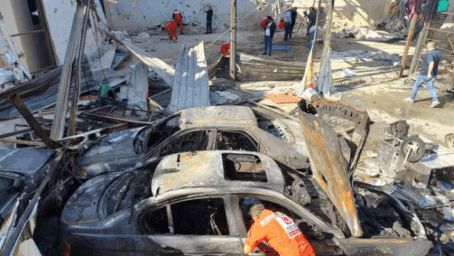
Eyewitness accounts describe families carrying their belongings through rubble-strewn streets, unsure of where to seek safety as Israeli bombs Lebanon repeatedly in residential neighborhoods.
The psychological impact on children is profound, with many schools temporarily closing as parents attempt to protect their families from future strikes and ongoing instability.
International observers warn that continued escalation could destabilize the already fragile region, potentially drawing in broader military involvement if conflict spreads beyond southern Lebanon.
Israeli military officials justified the strikes as necessary measures against Hezbollah’s operational network, claiming that precision targeting minimizes civilian casualties despite evidence to the contrary.
Despite Israel’s warnings, local communities remain in fear, uncertain of when the next wave of attacks will occur, as the cycle of evacuation and bombing continues unabated.
Reports from Deir Kifa and Chehour indicate structural damage to homes, shops, and infrastructure, leaving thousands of residents displaced and dependent on emergency aid for survival.
The targeting of both Hezbollah positions and Palestinian refugee camps illustrates a dual strategy aimed at weakening militant networks while maintaining pressure on civilian populations in southern Lebanon.
Lebanon ceasefire violations continue to undermine regional stability, with repeated strikes contributing to mounting tensions and increasing the likelihood of further retaliatory actions by Hezbollah or other factions.
Human rights advocates call for immediate international intervention to prevent further civilian casualties and ensure adherence to previously established agreements that aim to limit conflict.
The air strikes in southern Lebanon, combined with Israel’s ongoing military operations in Gaza, highlight the fragile nature of ceasefires and the recurring threat posed to vulnerable populations in conflict zones.
As Israel bombs Lebanon, emergency responders, volunteers, and local authorities struggle to cope with the growing humanitarian crisis and the fear instilled by unpredictable aerial attacks.
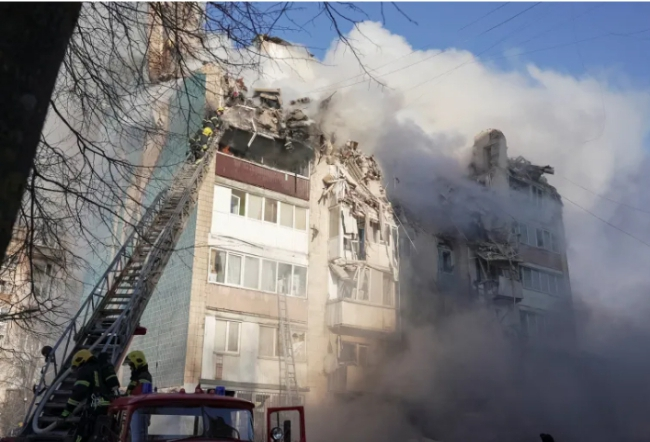
Observers note that without a renewed commitment to ceasefire enforcement and diplomatic engagement, the pattern of southern Lebanon attacks is likely to continue, prolonging suffering and instability.
In summary, the latest escalation demonstrates the ongoing fragility of peace agreements, the devastating impact on civilians, and the urgent need for international oversight to prevent further loss of life.
About The Author