Cameroon’s opposition leader Issa Tchiroma Bakary has declared himself the winner of the Cameroon election, setting off a wave of uncertainty and political tension across the country.
His bold announcement, made before official results were released, challenges the four-decade rule of President Paul Biya and signals a potentially explosive contest for power.
In a five-minute video posted on social media early Tuesday, Tchiroma proclaimed victory and urged Biya to concede. “The people have chosen, and this choice must be respected,” he said, describing the Cameroon election as “a turning point in the nation’s democratic struggle.” The declaration immediately drew both celebration and caution as supporters flooded online platforms with messages of triumph.
The Cameroon election, held on Sunday, was one of the most closely watched votes in the country’s history. Official tallies have yet to be released, but Tchiroma called on the 92-year-old Biya to “honour the truth of the ballot box.” He urged the incumbent to “show political maturity” by stepping aside, saying that conceding defeat would demonstrate “Cameroon’s strength as a democracy.”
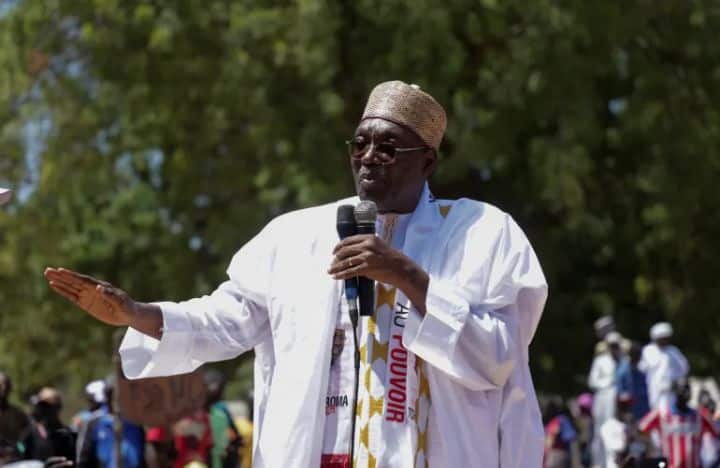
Tchiroma’s statement marks the sharpest challenge yet to Biya, Africa’s oldest serving president, who has ruled since 1982. The longtime leader sought an eighth term despite widespread frustration with corruption, economic stagnation, and unrest in the Anglophone regions. The Cameroon election has revived long-simmering debates about leadership succession and generational change in the central African nation.
A former government spokesman and one-time Biya loyalist, Tchiroma broke ranks earlier this year to form the Cameroon National Salvation Front. His campaign attracted large crowds, particularly among young voters yearning for reform. “This is not about one man; it is about reclaiming our nation,” Tchiroma said during the campaign’s final rally. “The Cameroon election belongs to the people, not the powerful.”
Government officials have yet to respond directly to his self-declared victory. Minister of Territorial Administration Paul Atanga Nji warned earlier that any premature announcement of results would amount to “high treason.” Under electoral law, only the Constitutional Council may publish the final outcome, expected by October 26.
Still, analysts believe Tchiroma’s move was deliberate. “He knows the system too well,” said political analyst Eric Ndong in Douala. “By declaring victory early, he’s forcing the institutions to justify whatever outcome they present.” For Ndong, the Cameroon election represents a test of whether the ruling establishment can tolerate genuine democratic competition.
Observers reported calm voting in most regions, though opposition parties alleged manipulation in several constituencies. Many voters expressed fatigue with Biya’s decades in power but remained skeptical that change would come. “People are tired,” said Clarisse Ngono, a civic activist in Yaoundé. “But we also know how the story usually ends after every Cameroon election.”
International attention is focused on the crisis-prone country as diplomats urge restraint. The African Union, the European Union, and Western governments have all called for patience while the Constitutional Council completes its review. The Cameroon election outcome is seen as pivotal for regional stability in Central Africa, where security challenges and authoritarian entrenchment have intensified.
Tchiroma insists that his declaration is not a provocation but a call for transparency. “Our victory belongs to every citizen who believed that truth can defeat fear,” he said, addressing supporters in his northern hometown of Garoua. He urged the military and state institutions to “stay on the side of the republic” and respect the people’s mandate.
His allies claim that early tallies from several provinces show him leading by a wide margin. They accuse the government of preparing to “manufacture numbers” to extend Biya’s tenure. Meanwhile, pro-Biya officials have dismissed the opposition’s claims as “reckless theatre,” arguing that only the Constitutional Council has the authority to speak for the nation.
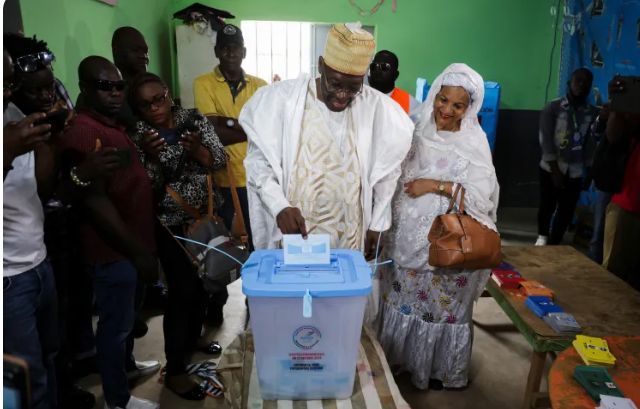
Despite the uncertainty, the Cameroon election has already re-energized the country’s civil society and opposition movements. “For the first time in years, people feel their voices might matter,” said university lecturer Joseph Tamfu. “Even if the results are disputed, this moment has awakened a democratic spirit that cannot easily be silenced.”
As the nation awaits the official verdict, security forces have tightened their grip on major cities. In Yaoundé, checkpoints have increased near government buildings, while in Douala, businesses are operating cautiously. Yet amid the tension, hope lingers that the Cameroon election could mark the beginning of a new chapter.
Whether Tchiroma’s self-proclaimed victory stands or falls, the Cameroon election has underscored deep public desire for renewal.
Many citizens now look beyond personalities to the broader question of governance. For a nation long defined by continuity, this vote—contentious and unpredictable—may become the defining moment that reshapes Cameroon’s political destiny.