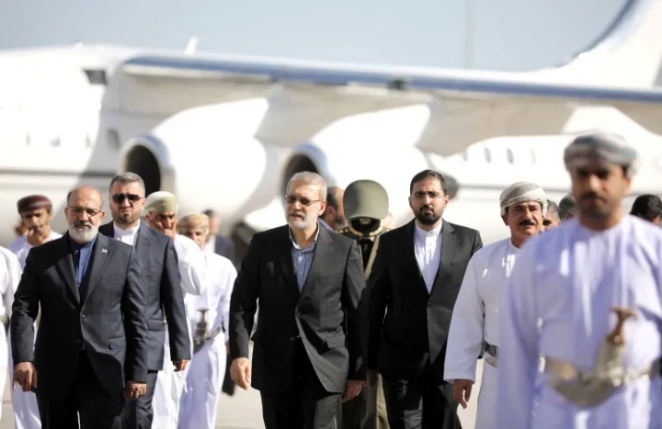
Iran US nuclear talks in Oman are shaping regional diplomacy as Ali Larijani meets Omani leadership following negotiations between Tehran and Washington over nuclear programme concerns.
Iran US nuclear talks in Oman come as officials push to avoid military escalation, with mediators encouraging continued dialogue despite deep disagreements over enrichment limits and sanctions relief.
Ali Larijani Oman visit highlights Tehran’s reliance on Muscat as a trusted intermediary, reinforcing Oman mediation Iran US channels that previously enabled backchannel diplomacy between adversaries.
Omani officials reportedly discussed “latest developments in negotiations” while emphasising returning to dialogue, reflecting regional efforts to prevent conflict through sustained diplomatic engagement.
Analysts say Iran nuclear negotiations progress remains fragile, with talks mainly assessing intentions rather than resolving technical disagreements over uranium enrichment and sanctions frameworks.
Larijani’s meetings include discussions with Oman’s ruler and foreign minister, focusing on regional stability and expanding cooperation beyond security and nuclear diplomacy issues.
Iranian officials described discussions covering “regional and international developments,” signalling broader strategic positioning alongside nuclear diplomacy engagement and regional alliance coordination.
Diplomatic observers view recent meetings as cautious progress, noting talks aim to rebuild trust following breakdowns in previous negotiation rounds between Tehran and Washington.
Oman mediation Iran US efforts gained importance as tensions rose alongside increased American military presence in the region, raising urgency for diplomatic alternatives to confrontation.
Officials confirmed another negotiation round is planned, although dates remain unannounced, reflecting ongoing uncertainty about both sides’ readiness to compromise on core demands.
Iranian diplomacy includes outreach to regional states, with officials briefing partners on developments to maintain strategic transparency and prevent misunderstandings about negotiation objectives.
Iranian spokespersons argue Washington should act “independently” and resist outside pressure, describing foreign influence as harmful to regional stability and American interests.
Tehran also criticised Israeli pressure regarding nuclear policy, claiming allegations about weapons ambitions are exaggerated and politically motivated according to official statements.
Iran maintains its nuclear programme is peaceful, citing rights under international law and the Nuclear Non-Proliferation Treaty framework.
Officials emphasised that negotiations should prioritise national interests, describing nuclear energy access as essential for economic development and technological independence.
Diplomats cautioned early talks should not be expected to produce detailed technical agreements, describing initial meetings as exploratory confidence-building exercises.
Negotiators reportedly focused on principles rather than technical parameters, aiming to establish baseline understanding before tackling complex compliance mechanisms.
Iran nuclear negotiations progress remains tied to sanctions discussions, with Tehran insisting economic relief must accompany any limits placed on nuclear activities.
European diplomatic roles were criticised by Iranian officials, who argued Europe previously failed to act independently during past negotiation phases.
Iran also criticised recent European security designations against Iranian military bodies, describing such moves as strategic miscalculations damaging diplomacy prospects.
Tehran argues Western political pressure undermines negotiation environments and complicates potential compromise scenarios in future talks.
Ali Larijani Oman visit is expected to continue regional consultation, with planned meetings in Qatar reinforcing broader diplomatic engagement strategy.
Meanwhile, Iran signalled potential flexibility regarding uranium stockpiles, suggesting dilution could occur if sanctions are fully lifted by Washington.
This development marked a shift in tone, indicating possible compromise pathways if economic restrictions are addressed through verifiable agreements.
US Iran uranium enrichment dispute remains central, with Washington demanding stricter limitations while Tehran insists enrichment rights are non-negotiable.
Estimates previously suggested Iran held significant enriched uranium stockpiles approaching weapons-grade thresholds, intensifying international monitoring concerns.
American leadership has pushed for broader negotiations covering missile programmes and regional activities beyond nuclear policy frameworks.
Iran rejects expanding negotiation scope, insisting discussions remain focused strictly on nuclear policy and technical compliance frameworks.
Diplomatic observers warn expanding negotiation agendas could stall talks entirely if core nuclear issues remain unresolved.
Iran US nuclear talks in Oman therefore represent a balancing act between limited agreements and comprehensive regional security frameworks.
Historical negotiation rounds collapsed largely over enrichment disagreements, reinforcing distrust and hardening negotiating positions on both sides.
Military developments previously escalated tensions, including strikes targeting Iranian nuclear infrastructure facilities.
Following those attacks, Iranian officials announced temporary changes in enrichment activities, while maintaining commitment to peaceful nuclear development.
Iran repeatedly states nuclear research supports energy production, medical research, and industrial applications rather than weapons development.
Regional political dynamics complicate diplomacy, particularly Israel’s security concerns regarding Iran’s missile capabilities and regional alliances.
Israeli leadership reportedly seeks negotiations covering ballistic missile development alongside nuclear programme limitations.
Iran insists missile programmes are defensive and separate from nuclear negotiations, describing them as non-negotiable sovereign security matters.
Read also: Starmer to Chair Cabinet meeting after surviving resignation calls
Analysts say these competing priorities illustrate how nuclear negotiations intersect with broader regional strategic rivalries.
Iran nuclear negotiations progress could therefore depend on whether talks remain narrowly focused or expand into wider regional security frameworks.
Oman mediation Iran US remains critical due to Muscat’s reputation for neutrality and successful quiet diplomacy history.
Regional mediators emphasise dialogue over confrontation, hoping incremental progress reduces risks of unintended escalation.
Ali Larijani Oman visit symbolises continued commitment to diplomacy despite ongoing mistrust between negotiating parties.
Future negotiation rounds may determine whether symbolic diplomatic gestures translate into enforceable nuclear agreements.
Iran US nuclear talks in Oman remain central to global non-proliferation efforts and Middle East stability calculations.
Diplomats caution progress will likely remain slow, requiring incremental confidence building rather than rapid comprehensive breakthroughs.
Officials on all sides continue emphasising dialogue, describing negotiations as essential to avoiding further regional destabilisation.
Observers say final outcomes will depend on political will, economic considerations, and security guarantees acceptable to both governments.
About The Author