Israel weapons Gaza evaporation claims have ignited global war crimes scrutiny as investigators allege extreme-temperature munitions caused thousands of Palestinians to disappear without recoverable remains.
Families across Gaza report relatives vanishing after air strikes, leaving no bodies to bury and prolonging grief amid ongoing conflict and humanitarian devastation.
Civil defence teams say they documented cases where individuals could not be physically recovered despite exhaustive searches of destroyed homes and surrounding debris.
Officials explain that victims are classified as missing only after confirming household numbers, survivor accounts, and the absence of identifiable remains at strike locations.
According to records kept by emergency responders, nearly three thousand Palestinians fall into this category since hostilities escalated in late 2023.
Responders say many strike sites reveal only biological traces or fragments, complicating identification and forcing reliance on elimination-based forensic accounting methods.
Israel weapons Gaza evaporation claims centre on allegations of high-temperature and pressure-based munitions used repeatedly in densely populated civilian areas.
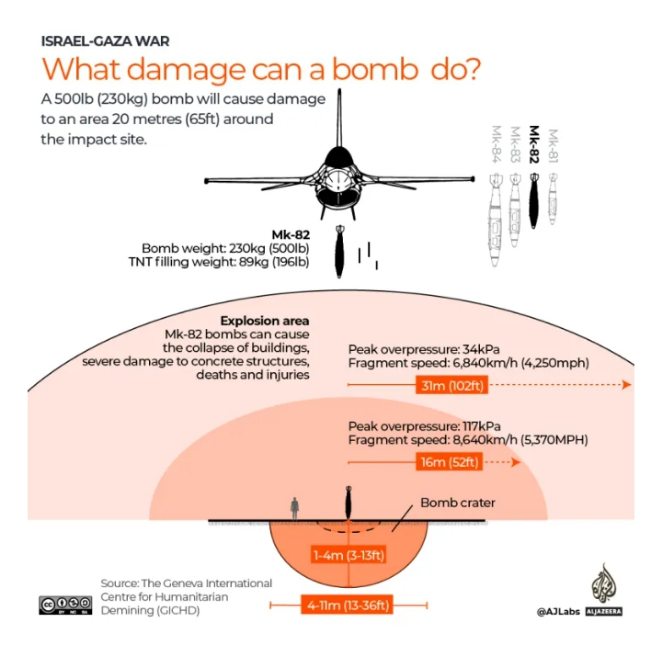
Military analysts say certain munitions generate intense heat and pressure waves capable of destroying internal structures and contents within enclosed spaces.
These weapons are designed to maximize blast efficiency, particularly against fortified positions, but critics argue their use in urban zones carries extreme civilian risk.
Medical professionals report that exposure to intense heat combined with pressure can severely damage human tissue, making recovery and identification extremely difficult.
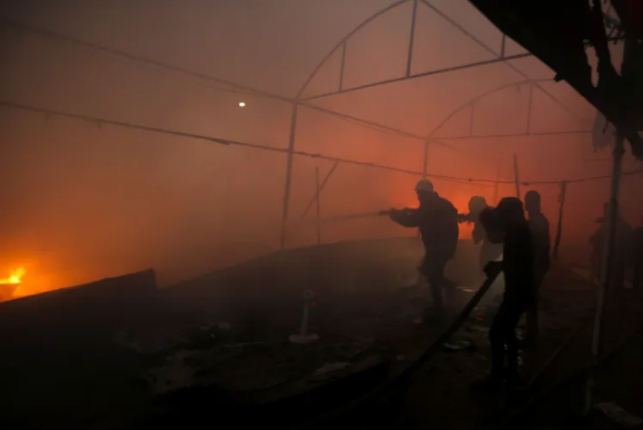
Emergency workers describe scenes where buildings remain standing while everything inside is destroyed, leaving little physical evidence of those present.
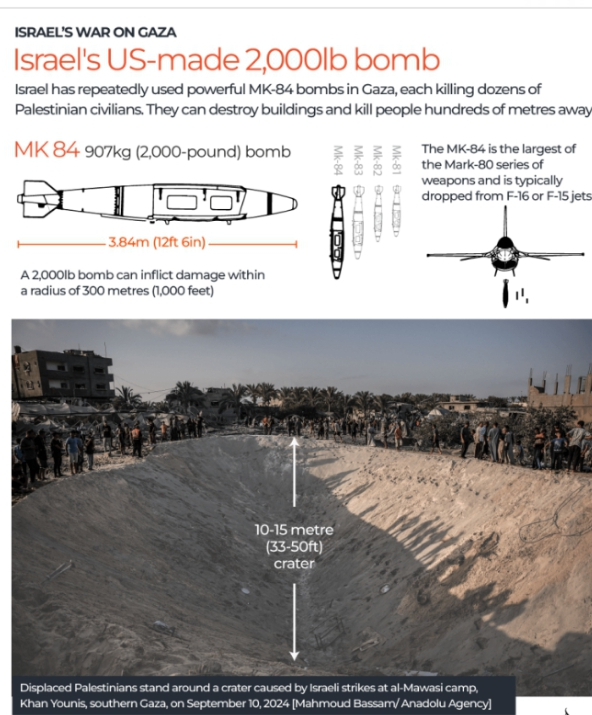
Some weapons allegedly involved are heavy general-purpose bombs adapted for precision targeting, commonly used by modern air forces worldwide.
Such munitions can penetrate structures before detonation, releasing thermal and pressure effects internally rather than causing outward structural collapse.
Civil defence officials say this pattern explains why remains are sometimes unrecoverable despite limited visible damage to buildings.
Israel weapons Gaza evaporation claims have intensified debate over whether existing international laws adequately regulate modern explosive technology.
Legal experts argue that weapons incapable of distinguishing between combatants and civilians may violate international humanitarian law standards.
International law requires proportionality, distinction, and military necessity in all armed conflicts, particularly in populated civilian environments.
Human rights advocates say repeated civilian losses indicate systemic failures rather than isolated operational errors.
Israeli authorities maintain that military operations target armed groups and infrastructure, asserting efforts are made to minimize civilian harm.
Critics dispute those assertions, citing casualty figures, displacement levels, and patterns of destruction across residential areas.
Independent verification remains challenging due to access restrictions, ongoing hostilities, and extensive infrastructure damage.
For families, the absence of remains creates psychological trauma, as traditional burial rites and closure remain impossible.
Mental health specialists say ambiguous loss prolongs grief, leaving families suspended between hope and mourning.
Parents searching hospitals and shelters often rely on fragmented information, deepening emotional distress across displaced communities.
Israel weapons Gaza evaporation claims also raise questions about accountability beyond the battlefield.
Legal scholars argue that weapons suppliers may face scrutiny if evidence shows exported arms were used unlawfully.
International arms trade laws require exporting states to assess the risk of civilian harm before approving transfers.
Some governments insist export controls are followed, while activists argue enforcement mechanisms are weak.
Geopolitical alliances complicate accountability, particularly when major powers are involved in supply chains.
International courts have historically faced political resistance when investigating conflicts involving strategic allies.
Despite provisional legal rulings and arrest warrants issued in related cases, hostilities and civilian deaths have continued.
Legal experts say enforcement failures undermine global confidence in international justice systems.
Calls for independent investigations grow louder as documentation of strikes, survivor testimony, and forensic records accumulate.
Technology now plays a major role in evidence collection, including satellite imagery, blast pattern analysis, and metadata verification.
Investigators emphasize preserving evidence early to support future legal proceedings once access becomes possible.
Urban warfare experts warn that dense populations make civilian harm almost inevitable without strict operational restraint.
They argue modern militaries must adapt tactics to reduce harm rather than relying on high-yield explosives.
Israel weapons Gaza evaporation claims reflect broader concerns about the evolution of warfare technology.
As weapons grow more powerful, humanitarian safeguards struggle to keep pace with battlefield realities.
Diplomats warn that failure to address these issues risks normalizing extreme civilian harm in future conflicts.
Global institutions continue urging ceasefires, humanitarian access, and adherence to international legal standards.
Aid agencies report widespread displacement, infrastructure collapse, and long-term humanitarian consequences across Gaza.
Reconstruction efforts face additional challenges where unexploded ordnance and destroyed records complicate recovery.
Families of the missing continue demanding answers, accountability, and recognition of their loss.
For them, legal definitions matter less than knowing what happened to their loved ones.
Israel weapons Gaza evaporation claims remain central to international debate over responsibility, justice, and the limits of modern warfare.
As investigations continue, the issue is likely to shape legal, political, and humanitarian discussions for years to come.
About The Author