The IPP deportation injustice has returned to national focus as a man jailed for a £20 robbery faces deportation from the only country he has ever known.
Sheldon Coore, 47, has spent almost two decades under an abolished sentence, despite receiving a minimum tariff of just over two years.
He arrived in Britain as a toddler and grew up in Huddersfield, building his entire identity, family life, and sense of belonging within the United Kingdom.
Despite this, the Home Office is seeking to deport him to Jamaica, a country he last visited briefly more than two decades ago.
Coore was sentenced in 2005 under the now-scrapped Imprisonment for Public Protection regime, commonly known as IPP, after a minor street robbery.
The offence involved restraining another man and taking £20, committed during a period when Coore struggled with addiction and repeated low-level offending.
Under IPP rules, judges imposed a minimum term but left release dependent on demonstrating reduced risk, creating effectively indefinite imprisonment.
Although the sentence was abolished in 2012, the change was not applied retrospectively, trapping thousands inside prison without fixed release dates.
Campaigners say this structural flaw lies at the heart of the IPP deportation injustice still unfolding across Britain’s justice and immigration systems.
Coore served ten years before being released in 2015, believing his prolonged incarceration was finally ending after exceeding his minimum tariff several times.

However, around eighteen months later, he was recalled to prison following allegations that never resulted in formal charges or convictions.
That recall placed him back under the same indefinite sentence framework, restarting years of incarceration with little clarity about release prospects.
Speaking from prison, Coore said the punishment felt cumulative, arguing that he was being penalised repeatedly for the same original offence.
He described waking daily with a sense that the system had multiplied his sentence far beyond anything proportionate to the crime committed.
After his recall, Coore received a further sentence for affray following a confrontation with police, extending his time behind bars significantly.
He has remained imprisoned ever since, moving between facilities while attempting to access rehabilitation courses and demonstrate reduced risk.
Despite these efforts, the open-ended nature of IPP has left him without a clear pathway to release or resettlement planning.
Now, the IPP deportation injustice has intensified as immigration authorities seek to remove him from Britain as a foreign national offender.
Although he arrived in the UK aged just sixteen months, Coore never acquired British citizenship, leaving him legally vulnerable despite lifelong residence.
The Home Office argues that foreign nationals convicted of offences should face removal, regardless of the length or circumstances of imprisonment.
Coore’s lawyers contend that deportation would sever his remaining family ties and place him in an unfamiliar environment without support networks.
An immigration tribunal rejected his appeal last year, concluding he lacked effective integration into British society after prolonged incarceration.
That reasoning has drawn criticism from campaigners, who argue imprisonment itself erodes community ties and should not justify further punishment.
Coore has five daughters, all born in Britain, alongside grandchildren who have only known him through visits, calls, and letters.
Family members say deportation would permanently damage those relationships, extinguishing hopes of rebuilding a stable family life after release.
His eldest daughter said Jamaica represents an unknown and dangerous place for her father, lacking housing, employment, or emotional support.
His mother described watching her son deteriorate psychologically over years of uncertainty, saying the state now holds his future in its hands.
Campaigners argue the IPP deportation injustice amounts to double punishment, layering immigration enforcement onto a sentence already deemed unlawful.
More than 2,500 prisoners were left under IPP sentences after abolition, many serving decades longer than their original tariffs.
At least 94 IPP prisoners have died by suicide, according to campaign groups, highlighting the psychological toll of indefinite detention.
The United Nations is currently examining whether Britain has breached human rights obligations in several ongoing IPP-related cases.
Five prisoners are the subject of a formal complaint, alleging arbitrary detention and failure to provide realistic release mechanisms.
Advocates say Coore’s case mirrors others where minor crimes resulted in life-altering consequences far exceeding judicial intent.
The IPP deportation injustice also intersects with the Windrush legacy, exposing how long-term residents can remain legally precarious.
Coore’s grandparents arrived in Britain during the Windrush era, and he grew up believing the UK was unquestionably his home.
Yet administrative gaps and historic policies left many families without secure citizenship, later exposed through hostile environment immigration enforcement.
United Group for Reform of IPP describes the sentence as the greatest stain on the modern British justice system.
A spokesperson said serving twenty years for a £20 theft represents systemic failure rather than public protection or rehabilitation.
They argue deportation compounds the injustice by exporting unresolved legal harm to another country ill-equipped to manage its consequences.
The Home Office maintains its position, stating that all foreign national offenders are considered for deportation under current policy.
Officials argue reforms to appeals processes are necessary to prevent exploitation of human rights laws and accelerate removals.
Critics counter that such framing ignores proportionality, rehabilitation, and the state’s responsibility for unlawful sentencing regimes.
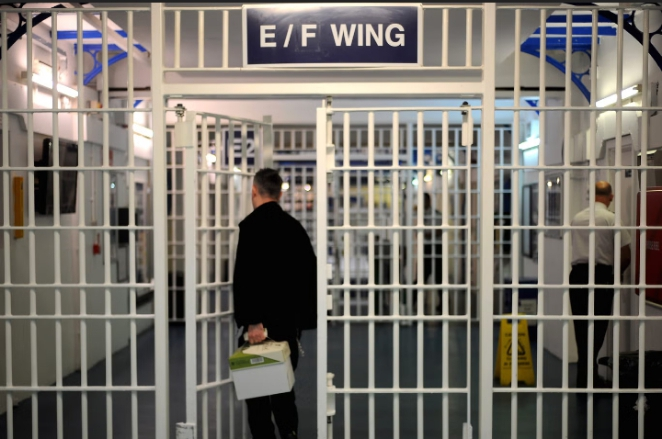
Legal experts warn that cases like Coore’s risk undermining public confidence in justice by appearing punitive rather than corrective.
As Britain debates prison reform, immigration control, and human rights obligations, the IPP deportation injustice remains unresolved.
For families affected, the issue is not abstract policy but the lived reality of separation, uncertainty, and prolonged punishment.
Campaigners continue calling for resentencing, release pathways, and protection from deportation for those trapped under abolished sentences.
Until reform arrives, individuals like Sheldon Coore remain suspended between prison walls and planes bound for unfamiliar destinations.
Read also: Shinzo Abe killer life sentence: Japan courts deliver historic ruling after assassination
About The Author