The Hasina Conviction Fallout is reshaping political dynamics across South Asia as diplomatic pressure mounts, strategic alliances shift, and governments navigate rising uncertainty surrounding Bangladesh’s volatile transition process.
Observers say the unfolding crisis is redefining regional expectations while challenging India’s long-standing partnerships, particularly as domestic Bangladeshi debates increasingly influence external assessments and neighbouring geopolitical priorities.
Despite official reassurances, analysts highlight unresolved tensions within Bangladesh’s ruling structure, arguing that the controversial conviction continues to influence political legitimacy debates and critical institutional trust across multiple sectors.
Indian policymakers remain cautious, understanding that any miscalculation could produce lasting consequences for bilateral relations, regional cooperation mechanisms, and sensitive ongoing negotiations requiring sustained diplomatic precision.
Public reactions across Bangladesh reflect deep ideological fragmentation, with competing narratives shaping perceptions around justice, political accountability, and the true intentions behind the high-profile tribunal decision.
Supporters of the former prime minister argue the verdict represents political persecution disguised as judicial procedure, fuelling emotional appeals that continue shaping national discussions regarding governance credibility.
Critics counter that accountability was overdue, insisting the proceedings aligned with established constitutional frameworks, though international observers question whether political motivations influenced key judicial interpretations.
Officials in Dhaka emphasize their commitment to democratic norms, though concerns persist about transparency, fairness, and broader structural pressures affecting the nation’s rapidly evolving political environment.
Amid the uncertainty, Indian foreign policy advisers reassess existing agreements, balancing national interests with regional expectations to prevent unintended escalations that might destabilize strategic corridors essential to cooperation.
New Delhi’s silence reflects calculated restraint, allowing decision-makers time to evaluate shifting power blocs, ongoing internal disputes, and evolving possibilities for future dialogue with Bangladesh’s transitional leadership.
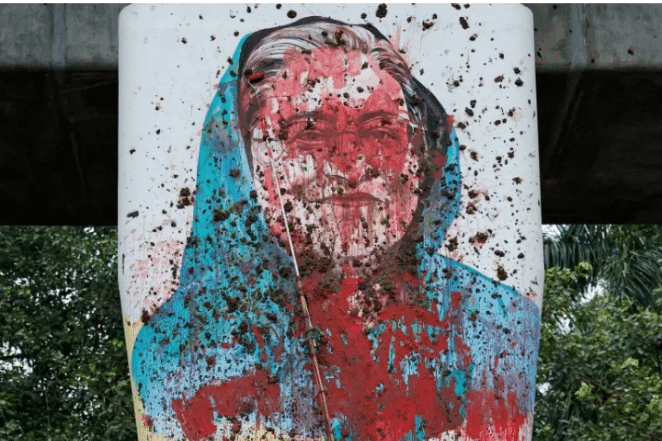
Experts note that India’s Strategic Calculations now involve weighing humanitarian considerations against long-term geopolitical imperatives, particularly given the sensitive implications surrounding sheltering a polarizing figure.
Diplomatic circles acknowledge mounting pressure from international partners seeking clarity on India’s stance, especially regarding legal obligations, political sensitivities, and potential repercussions affecting broader regional stability.
Bangladesh’s interim authorities maintain that institutional processes remain intact, arguing the country’s judiciary acted independently, despite critics claiming political factions exerted undue influence throughout the trial.
The Political Crimes Tribunal Verdict continues to generate global commentary, with legal experts reviewing case materials to assess whether procedural standards were sufficiently upheld amid widespread public tension.
Meanwhile, Bangladeshi opposition movements gain momentum, leveraging public dissatisfaction to challenge interim governance, drawing attention to unresolved disputes surrounding accountability, justice, and democratic representation.
Analysts warn that rising activism could create unpredictable conditions, further complicating regional assessments as influential actors reconsider strategic assumptions shaped before the tribunal’s controversial decision.
New Delhi faces heightened scrutiny regarding its approach, with commentators noting the growing complexity of maintaining neutrality while safeguarding critical bilateral frameworks developed over several decades.
Policy strategists emphasize the necessity of measured responses, arguing that reactive decision-making could trigger diplomatic missteps, supply chain disruptions, or misunderstanding between key stakeholders in both capitals.
Political insiders in Bangladesh privately concede the crisis may reshape internal power structures, prompting realignments among influential groups previously loyal to former leadership networks.
The Bangladesh Uprising Aftermath continues influencing national sentiment, reinforcing debates regarding institutional legitimacy, governmental authority, and the future direction of reforms promised during the transitional period.
Scholars argue the uprising dismantled entrenched political assumptions, forcing various factions to reconsider strategies, alliances, and narratives shaping public engagement across Bangladesh’s diverse sociopolitical landscape.
In India, think-tanks intensify research efforts examining long-term consequences, focusing on cross-border security, economic cooperation, and humanitarian obligations amid fluctuating diplomatic expectations.
Security analysts caution that instability could embolden extremist networks exploiting transitional vulnerabilities, creating challenges for intelligence coordination and border management frameworks developed through years of collaboration.
Regional observers highlight rising apprehension over unresolved legal debates, suggesting the trial’s implications extend beyond immediate political consequences, potentially shaping future jurisprudence across South Asia.
Some diplomats believe continued ambiguity could create space for international arbitration efforts, though Bangladesh’s government insists external interference would undermine national sovereignty and constitutional authority.
Public protests persist despite government assurances, reflecting deep societal frustrations that transcend party politics, focusing instead on systemic grievances and perceived institutional shortcomings.
Experts argue these grievances require comprehensive solutions addressing governance reform, judicial independence, economic opportunity, and reconciliation efforts expected from successive leadership transitions.
Indian officials remain attentive, mindful that instability could affect trade routes, energy projects, and connectivity initiatives critical to regional economic integration and long-term developmental strategies.
Meanwhile, advocates for the former leader intensify international outreach, aiming to globalize the narrative surrounding the conviction, hoping to generate diplomatic sympathy and increased pressure on Dhaka.
Opposing factions condemn these efforts, arguing they introduce foreign interference into domestic matters, complicating avenues for genuine reconciliation and hindering constructive political negotiations.
The controversy continues shaping media discourse, generating competing interpretations that influence public opinion, institutional reactions, and diplomatic assessments across multiple regional and global platforms.
Analysts note significant uncertainty regarding future constitutional reforms, questioning whether forthcoming restructuring efforts will strengthen governance frameworks or entrench power among emerging political actors.
International human-rights organizations call for independent reviews of the trial, citing concerns regarding witness credibility, due process, and the political environment surrounding the tribunal proceedings.
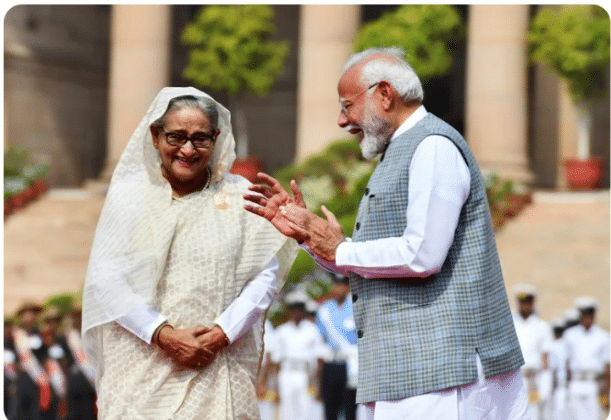
Bangladesh’s leadership dismisses these claims, asserting the judiciary maintained impartiality, though skepticism persists among academic and legal communities across neighbouring countries.
The crisis’s ripple effects remain evident, affecting foreign investment sentiment, civil-society engagement, and international development planning essential to Bangladesh’s long-term growth trajectory.
Diplomats acknowledge the need for robust dialogue mechanisms to prevent misunderstandings, reinforce cooperation, and maintain regional stability during such politically sensitive transitions.
Observers say New Delhi’s next moves will significantly influence perceptions of India’s commitment to democratic values, legal consistency, and strategic partnership with future Bangladeshi administrations.
Economic analysts highlight potential disruptions to joint initiatives, urging both nations to prioritize stability while reaffirming cooperation frameworks essential for sustainable economic integration.
The Hasina Conviction Fallout also shapes domestic political debates in India, prompting questions about humanitarian responsibilities and diplomatic obligations toward neighbouring states undergoing turbulent transitions.
Bangladesh’s interim leadership urges patience, emphasizing ongoing efforts to restore confidence through reforms addressing public concerns, though implementation timelines remain uncertain and politically contested.
International allies of both nations advocate continued collaboration, warning that extended diplomatic friction could undermine regional connectivity projects critical to long-term economic stability and shared prosperity.
Across academic institutions, researchers examine implications for governance studies, transitional justice, and regional diplomacy, highlighting the crisis as a pivotal moment in South Asian politics.
Humanitarian groups express concern over vulnerable communities affected by unrest, urging authorities to safeguard rights, maintain order, and prevent escalations threatening social cohesion during the political transition.
Media analysts underline the importance of responsible reporting, emphasizing accuracy, context, and balance as public demand for credible information intensifies amid competing narratives.
Civil-society leaders call for inclusive dialogue, arguing that national unity requires transparent communication, equitable representation, and acknowledgment of grievances contributing to ongoing societal divisions.
The controversy fuels debate over leadership accountability, institutional trust, and the future direction of Bangladesh’s political evolution, reinforcing questions about democratic resilience amid transformative regional shifts.
India’s diplomatic corps continues monitoring developments, preparing contingency plans to ensure preparedness for any potential scenarios requiring rapid policy adaptation and cooperative engagement with Dhaka.
Despite the challenges, analysts believe sustained diplomacy, careful negotiation, and mutual respect could pave the way for renewed stability, though the process may unfold gradually.
The crisis underscores the delicate balance between justice, politics, and regional strategy, highlighting how national decisions generate consequences influencing broader geopolitical landscapes across South Asia.
As tensions persist, stakeholders remain hopeful that constructive engagement will eventually prevail, allowing both nations to navigate differences while reinforcing long-held commitments to cooperation and stability.
The unfolding situation ensures the Hasina Conviction Fallout remains central to ongoing debates, shaping expectations, guiding policy deliberations, and influencing future political trajectories across the region.
Bangladesh’s future hinges on reforms promoting institutional resilience, public confidence, and transparent governance, ensuring stability while addressing lingering challenges magnified by the turbulent transition period.
India likewise faces difficult choices, balancing strategic imperatives with ethical considerations while navigating the complex realities shaping bilateral relations during this consequential historical moment.
Read more: Ireportnews
About The Author