Hamas body release announced it will return two more captives’ bodies tonight in Gaza, a move signaling progress in the fragile Gaza ceasefire while civilian suffering continues across the city.
The Qassam Brigades confirmed the handover at 19:00 GMT, stressing limited excavating machinery has not stopped their commitment to recovering all bodies under ceasefire terms.
Earlier Israeli attacks killed eleven people in Gaza’s Zeitoun neighborhood, including four children and three women, leaving Palestinian families desperate to recover their loved ones amid destroyed homes.
“The remains of two children are still missing due to the intensity of bombardment,” civil defense officials said, highlighting challenges in retrieving civilian casualties from flattened neighborhoods.
The Hamas body release underscores humanitarian concerns as humanitarian aid deliveries remain delayed, with blocked roads hindering distribution of food, water, and medical assistance across Gaza City.
Hani Mahmoud, reporting from Gaza, said reopening the Rafah crossing could reunite Palestinian families separated for two years while allowing humanitarian aid to reach thousands of civilians.
In the West Bank tensions, two Israeli soldiers were injured near Tubas during an operation, prompting Hamas to assert Palestinian resistance will continue despite occupation measures and repeated arrests.
“Palestinian families have the legitimate right to respond to escalating Israeli attacks, including forced displacement and settlement expansion,” Hamas stated, reinforcing tensions outside Gaza while the ceasefire remains fragile.
Israeli attacks in southern Lebanon killed a Hezbollah member, raising concerns about regional stability and illustrating the wider implications of Israeli attacks beyond Gaza and the West Bank tensions.
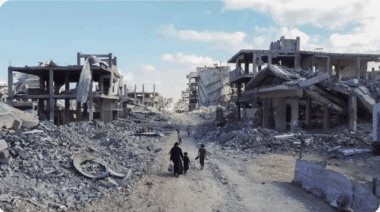
Palestinian families in Gaza City navigate life amid destroyed homes, relying on tents and makeshift shelters while waiting for humanitarian aid delayed by ongoing Israeli-imposed roadblocks.
“Every day without humanitarian aid is another day of suffering,” said Fatima Abu Salah, whose family survived the bombardment but lost their home and access to basic necessities.
Psychological trauma among children is severe, with dozens killed or injured; UNICEF warns of long-term impacts, emphasizing urgent humanitarian aid and educational continuity to mitigate harm.
Released prisoners and recovered bodies reveal signs of mistreatment and torture, prompting international calls for accountability and highlighting the significance of the Hamas body release for justice.
A 30-year-old Palestinian man was wounded by Israeli attacks in ar-Ram, north of East Jerusalem, illustrating persistent danger for civilians despite temporary Gaza ceasefire agreements.
The Qassam Brigades affirmed their priority in recovering all captives’ remains, emphasizing that Palestinian families’ need for closure is paramount amid ongoing Israeli attacks and civilian casualties.
Even cultural events are affected by the conflict; Sweden’s Jewish International Film Festival was postponed after cinemas cited safety concerns, showing global repercussions of regional tensions.
Humanitarian aid organizations warn that unless aid flows and borders reopen, the Gaza ceasefire risks becoming a temporary pause, leaving Palestinian families vulnerable to renewed violence.
The Rafah crossing remains closed under Netanyahu’s orders until Hamas fulfills obligations regarding the body handovers, delaying Palestinian families reunifications and access for crucial humanitarian aid deliveries.
Ahmed Rami, a volunteer in Gaza City, said, “Every delay increases suffering. Civilian casualties mount, and humanitarian aid must reach those in need without further obstruction.”
Palestinian families hope the Hamas body release signals progress, but logistical and political hurdles illustrate the fragility of the Gaza ceasefire and the ongoing threat of Israeli attacks.
“The return of bodies is a measure of justice, yet it also reminds us of how many lives have been lost,” said Lina Mansour, human rights lawyer.
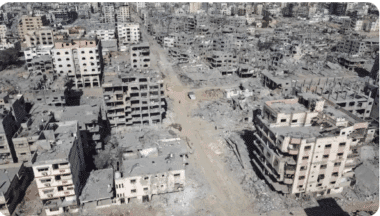
Rebuilding Gaza will require sustained international support, focusing on infrastructure, social services, and trauma recovery to prevent cyclical violence despite the temporary Hamas body release and Gaza ceasefire.
Political tensions, Israeli attacks, and West Bank tensions continue to threaten the fragile truce, making monitoring and accountability essential to prevent escalation and protect civilian casualties.
As Palestinian families in Gaza await the body returns and potential reunifications, the humanitarian aid situation remains dire, underscoring the urgent need for aid, Gaza ceasefire adherence, and justice.
“The Hamas body release provides hope, but survival here is daily, uncertain, and dependent on international attention and support,” said Leila Hamed, separated from family in Egypt.
The combination of ongoing Israeli attacks, blocked humanitarian aid, and delays in returning bodies exemplifies the fragile state of the Gaza ceasefire, emphasizing the importance of humanitarian coordination.
For thousands of Palestinian families, the temporary Gaza ceasefire is both a relief and a reminder of loss, destruction, and the pressing need for sustained assistance and international oversight.
Civilian casualties continue to mount even as the ceasefire is observed in some areas, highlighting the complexities of Israeli attacks and the risks faced by Palestinian families.
Hamas reiterated that the body handovers are non-negotiable, stressing that the commitment to recovering captives’ remains must continue until all are accounted for under the Gaza ceasefire.
Humanitarian aid organizations continue to press for the Rafah crossing to reopen, arguing that without access, Palestinian families will remain trapped in unsafe conditions with insufficient support.
“The return of captives’ bodies shows commitment, but until humanitarian aid and access improve, Palestinian families continue to pay the highest price,” said a UN spokesperson.
Reports from Gaza hospitals show injuries sustained during Israeli attacks, underlining how the fragile Gaza ceasefire has not entirely prevented civilian casualties, especially in high-density neighborhoods.
Psychologists working in Gaza emphasize the urgent need for trauma support for children and Palestinian families who have lost homes, loved ones, and a sense of security over years.
Even amid destruction, community networks organize temporary shelters, humanitarian aid, and education programs for displaced Palestinian families, highlighting the resilience of Gaza civilians during ongoing crises.
The Hamas body release is also political, serving as a reminder of both the human and symbolic dimensions of the Gaza ceasefire while tensions persist in the West Bank tensions.
Israeli attacks in peripheral areas, such as southern Lebanon and West Bank checkpoints, continue to inflame regional tensions and disrupt the delivery of humanitarian aid to vulnerable populations.
Palestinian families separated by borders, such as those in Egypt awaiting passage through the Rafah crossing, express mixed emotions, balancing hope for reunification with concern about delays.
International observers stress accountability and transparency in body handovers, noting that the Hamas body release provides a rare measure of closure for grieving Palestinian families while diplomacy continues.
The fragile Gaza ceasefire depends on cooperation, continued humanitarian aid, and a commitment to prevent further civilian casualties, making monitoring by international organizations vital in the coming weeks.
Efforts to rebuild homes, infrastructure, and social services will require collaboration, funding, and security guarantees, ensuring the temporary Hamas body release is not overshadowed by renewed Israeli attacks.
Civilians continue to navigate daily uncertainty, balancing survival, the return of loved ones’ remains, and reliance on delayed humanitarian aid amid ongoing Israeli attacks and sporadic violence in Gaza.
The symbolic and practical implications of the Hamas body release reverberate across the region, illustrating both the successes and limitations of the Gaza ceasefire and the ongoing humanitarian crisis.
In Gaza, Palestinian families continue to hope that the return of bodies and eventual reopening of the Rafah crossing will improve living conditions, while vigilance against Israeli attacks remains essential.
Aid organizations report that despite logistical challenges, food, water, and medical supplies continue to trickle into Gaza, though delays exacerbate suffering for Palestinian families still displaced from homes.
“The Hamas body release is a step toward justice, but true relief depends on sustained access to humanitarian aid and protection of civilian casualties,” said a local coordinator.
As attention turns to the Rafah crossing and recovery of captives’ remains, Palestinian families await meaningful improvements in safety, humanitarian aid, and opportunities for family reunification in Gaza.
The situation demonstrates the intertwined nature of politics, military actions, and humanitarian aid, showing how the Hamas body release interacts with broader efforts to stabilize Gaza ceasefire.
Palestinian families in Gaza remain resilient, relying on community networks, temporary shelters, and international support, while the Hamas body release represents both hope and a reminder of enduring challenges.
Civilian casualties, delayed humanitarian aid, and uncertainty about Rafah crossing reopenings continue to underscore the fragile nature of the Gaza ceasefire and the complexity of providing relief in conflict zones.
The Hamas body release is now central to both political negotiations and humanitarian planning, emphasizing the human dimension of the Gaza ceasefire and the need for accountability in Israeli attacks.

As the region watches the handover of captives’ bodies, Palestinian families, aid workers, and international organizations all stress that stability, protection, and humanitarian aid remain essential to prevent further civilian casualties.
Hamas body release brings hope amid Gaza ceasefire, while Israeli attacks, blocked humanitarian aid, and ongoing West Bank tensions continue to endanger Palestinian families.
About The Author