

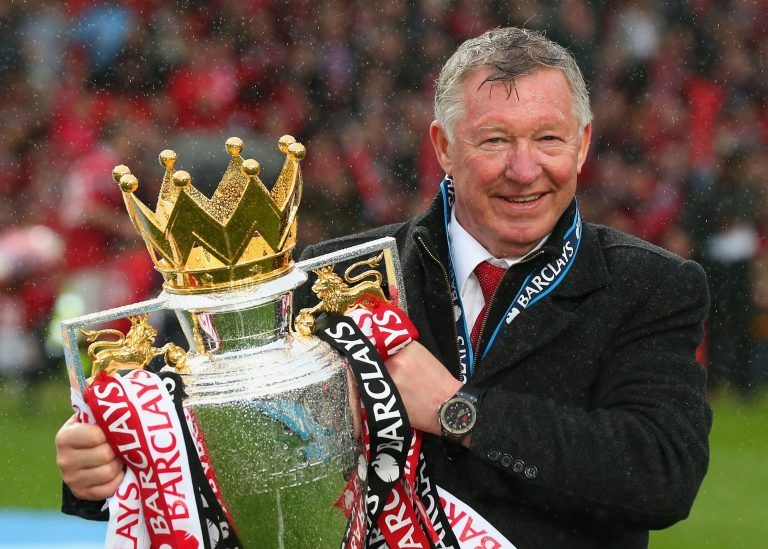
Gary Lineker has recalled how Manchester United manager pressure once influenced players’ decisions on participating in international friendlies, singling out Ryan Giggs and himself as examples of footballers caught between club and country commitments.
The former England striker explained that while managers across clubs sometimes discouraged players from attending friendlies, Manchester United’s approach was notably persistent, reflecting the delicate tension between club obligations and national team duties.
Lineker clarified that the pressure was never formalized but always implied, forcing players to weigh representing their countries against fulfilling club expectations, which often made professional decision-making particularly complex for elite athletes.
“All managers have done that, but generally it’s down to the players,” Lineker said, emphasizing that the responsibility ultimately fell on footballers, who had to navigate choices balancing loyalty, career longevity, and the expectations of multiple stakeholders.
The England legend further revealed, “The manager would always pressure you to pull out of friendlies in particular,” describing repeated efforts to discourage players from joining international duty, even for matches without competitive stakes or tournament implications.
Lineker personally resisted such pressure multiple times, recounting how he refused club influence when he wanted to represent England. “It happened to me a couple of times, and on both occasions I said no chance,” he emphasized.
Ryan Giggs, another prominent Manchester United player, faced similar pressures. The club’s focus on maintaining squad consistency and avoiding injuries often clashed with players’ desire to honor international commitments, creating tension between priorities.
The dilemma of club versus country continues to be a recurring issue in professional football. Managers must balance squad performance and results, while players often feel torn between competing demands from clubs and national teams.
During that era, Manchester United’s policy reflected a broader trend among elite European clubs, which prioritized domestic league and cup competitions over international friendlies, perceiving them as lower impact on long-term success.
Lineker’s reflections highlight the human side of football, where players constantly juggle pressures from managers, national coaches, and personal career ambitions, often making tough choices under public scrutiny and media attention.
International friendlies, while less competitive, serve a critical role in preparing national teams. Skipping these matches can affect team cohesion, tactics, and squad evaluation, adding weight to players’ decisions about participation.
Many players have shared similar experiences over decades, describing a football culture in which club managers sometimes prioritize immediate fitness and league objectives over international representation and player development.
Club pressure can also generate tension within squads, as players may feel conflicted about where loyalties lie, and must sometimes publicly defend their choices to attend or miss international matches.
Lineker’s insistence on rejecting managerial pressure reflects a broader principle of prioritizing national honor over club influence, a stance that earned admiration from both fans and fellow professionals in the sport.
Despite repeated urging from management, Ryan Giggs often navigated the complexities of dual commitments carefully, maintaining performance standards for Manchester United while fulfilling responsibilities to Wales.
Concerns about player injuries are legitimate. International fixtures carry physical risks, potentially impacting league campaigns, cup competitions, and European tournaments, making clubs wary of releasing key players for non-essential matches.
The club versus country debate remains topical. FIFA and UEFA regulations attempt to mediate scheduling conflicts, ensuring player availability for internationals while respecting club obligations and minimizing excessive strain on athletes.
Lineker’s anecdotes reveal the delicate negotiations players engage in, balancing personal integrity, career objectives, and national pride, demonstrating the multifaceted pressures experienced by professionals beyond the pitch.
Media coverage of club pressure often sparks discussion among fans and pundits, emphasizing ongoing tension between domestic club interests and the prestige of international football in shaping player legacies.
Manchester United’s approach serves as a historical example of modern football dynamics, where top clubs exert influence over player availability to protect investments and maintain competitive advantage domestically and in Europe.
Even highly respected players, Lineker notes, must assert themselves to uphold national commitments, making deliberate choices under scrutiny to navigate complex pressures imposed by management and public opinion.
International friendlies are also important for tactical trials, squad depth evaluation, and integrating emerging talent. Players who refuse these matches can face criticism, yet managers’ concerns over club priorities remain valid.
Manchester United manager pressure, while controversial, reflects the high-stakes environment of elite football, where clubs seek to protect star players and maintain dominance in league and continental competitions simultaneously.
Lineker’s reflections contribute to broader discussions on player autonomy, reinforcing the need to respect athletes’ decisions regarding international duty without undue influence from club authorities or management.
The club versus country conflict intensifies for players with long international careers, highlighting the mental, emotional, and physical demands placed on athletes navigating professional and personal priorities simultaneously.
Gary Lineker’s example illustrates that integrity and commitment to representing one’s country can coexist with a successful club career, even in an environment of strong managerial pressure and high public expectations.
Read also: Formula 1 faces a safety emergency after Ollie Bearman’s 191mph crash
Debates continue regarding the extent of club influence over international appearances, with differing opinions on player welfare, competitive fairness, and the symbolic importance of national representation in professional football.
Ultimately, achieving balance between club obligations and international duty requires negotiation, transparency, and mutual respect among managers, players, and national associations to preserve integrity in all competitions.
Lineker’s insights demonstrate that pressure tactics, although common historically, must be considered in light of professional respect, player health, and long-term career planning to ensure sustainable football practices.
Reflecting on these experiences, Lineker’s story underscores that players can assert themselves, uphold values, and manage complex pressures while contributing effectively to both club and national team objectives.