Five British families sue TikTok in a landmark US lawsuit that could reshape how global technology companies are held accountable for the safety of children online.
The families have launched legal action in the United States following the deaths of their children, alleging that TikTok’s recommendation systems promoted harmful content and that the company has failed to provide vital data that could explain what the children were exposed to in the period before their deaths.
The case is being heard in Delaware, where a crucial preliminary hearing is taking place to determine whether the lawsuit can proceed.
This marks the first time bereaved families from the United Kingdom have pursued TikTok through the American legal system over the deaths of their children.
The families argue that they were left with no alternative after repeatedly failing to obtain answers through other legal and regulatory routes.
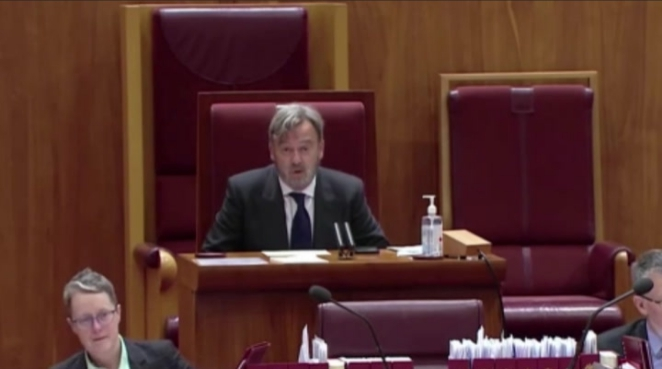
Relatives attending the hearing say they have been forced to travel thousands of miles simply to seek basic information about their children’s online activity.
They believe that large technology firms should not be able to shield internal data from grieving families, particularly when there are serious questions about the role digital platforms may have played in exposing young users to dangerous material.
At the centre of the lawsuit is the claim that TikTok’s algorithms actively amplified content that posed risks to children. The families allege that the platform’s design encourages prolonged engagement and repeatedly pushes similar material to users, including children, without adequate safeguards.
According to the claim, this system exposed young users to harmful trends and challenges that may have influenced their behaviour.
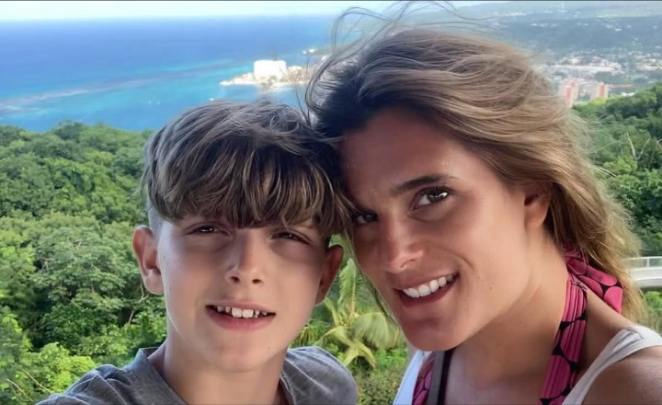
One of the families involved believes their 14-year-old son died after being exposed to dangerous online content linked to a so-called blackout challenge.
The parents say they were previously unaware of the scale of harmful material available online and had assumed their child was engaging only with light-hearted videos.
They now argue that the lack of transparency surrounding recommendation algorithms has left parents powerless.
The lawsuit also accuses TikTok of refusing to hand over key data that could clarify what content the children viewed before their deaths.
The families say they have made multiple formal requests for this information, but that these efforts have been met with resistance. Without access to the data, they argue, it is impossible to establish the full circumstances surrounding what happened.
The Delaware hearing is focused on a motion to dismiss submitted by TikTok. If the court rejects the motion, the case would move into the discovery phase, a significant step that could legally compel the company to disclose internal documents, algorithmic processes and user data related to the children’s accounts.
Legal experts say this stage could have far-reaching implications for the technology industry.
The families describe this moment as critical not just for their own cases, but for parents around the world seeking accountability from powerful digital platforms.
They believe that forcing companies to open their systems to scrutiny would mark a turning point in how online harms are addressed, particularly when children are involved.
TikTok has expressed sympathy for the families and maintains that it takes child safety seriously. The company says it prohibits content that encourages dangerous behaviour and claims it removes the vast majority of harmful material before it is reported.
TikTok also states that it complies with data protection laws and has systems in place to block certain harmful search terms.
The platform has further argued that the blackout challenge was restricted years ago and insists it has found no evidence that such content was trending on TikTok at the time of the deaths.
The company says challenges of this nature predate its platform and rejects claims that its algorithms intentionally promote dangerous behaviour.
Despite these assurances, the families argue that existing safeguards are insufficient and that enforcement measures lack transparency.
They believe that public statements about safety cannot replace independent scrutiny of how recommendation systems operate in practice, particularly when young users are involved.
Alongside the US lawsuit, campaigners in the UK are pushing for legal reforms aimed at protecting bereaved families. A proposed measure, commonly referred to as Jools’ Law, calls for the automatic preservation of a child’s online data immediately following their death.
Supporters say this would prevent the permanent loss of potentially crucial evidence during investigations and inquests.
An amendment reflecting this proposal has been introduced into UK legislation currently moving through parliament.
Advocates argue that without such protections, families may lose access to information that could explain what happened to their children, especially when digital platforms are slow to respond or unwilling to cooperate.
Campaigners stress that the issue goes beyond individual tragedies and reflects a wider systemic problem. They argue that children are increasingly exposed to algorithm-driven content without adequate oversight, while parents and regulators struggle to keep pace with rapidly evolving technologies.
The families involved in the lawsuit say their goal is not only accountability but also change. They want clearer legal obligations for technology companies to cooperate with families and authorities when serious harm occurs.
They also hope the case will encourage stronger international standards for child safety online.
Policy makers are watching the case closely as governments around the world debate stricter regulation of social media platforms.
Concerns about the impact of recommendation algorithms on children’s mental health and behaviour have intensified, with growing calls for transparency, age-appropriate design, and enforceable safeguards.
If the lawsuit proceeds beyond the initial hearing, it could set a precedent for how multinational technology firms are challenged in court.
Legal analysts suggest that a successful case could open the door to further claims from families in other countries who believe platforms failed to protect their children.
For the families, however, the case remains deeply personal. They say no legal outcome can undo their loss, but they hope that pursuing the lawsuit will help prevent other parents from facing the same unanswered questions. They argue that no family should have to fight across borders simply to understand what happened to their child.
As the court considers whether the case can move forward, the families say they remain determined to continue their fight.
They believe that transparency, accountability and meaningful reform are essential if children are to be properly protected in an online world increasingly shaped by powerful algorithms.
Read also: US military seizes Venezuela oil tanker under Trump sanctions
About The Author