

Fifth Amendment protection for Fauci has become the flashpoint in a heated exchange with Senator Rand Paul over testimony before Congress. The amendment says no person “shall be compelled in any criminal case to be a witness against himself, nor be deprived of life, liberty, or property, without due process of law.” That language now drives the legal debate.
The US Supreme Court has affirmed this right for decades. Since 1955 the Court confirmed witnesses can invoke it in congressional investigations. The Library of Congress notes the privilege applies beyond criminal trials. “Although the amendment’s protection expressly refers to criminal cases, the Court has nevertheless found the privilege against self-incrimination to be available to a witness appearing before a congressional committee.”[Fifth][s]
Dr. Anthony Fauci invoked the amendment during recent questioning. His lawyers argue the grounds are clear. A witness cannot be forced to answer if the answer could expose them to criminal liability. Congressional hearings, they say, are covered by the same constitutional shield that protects defendants in court.
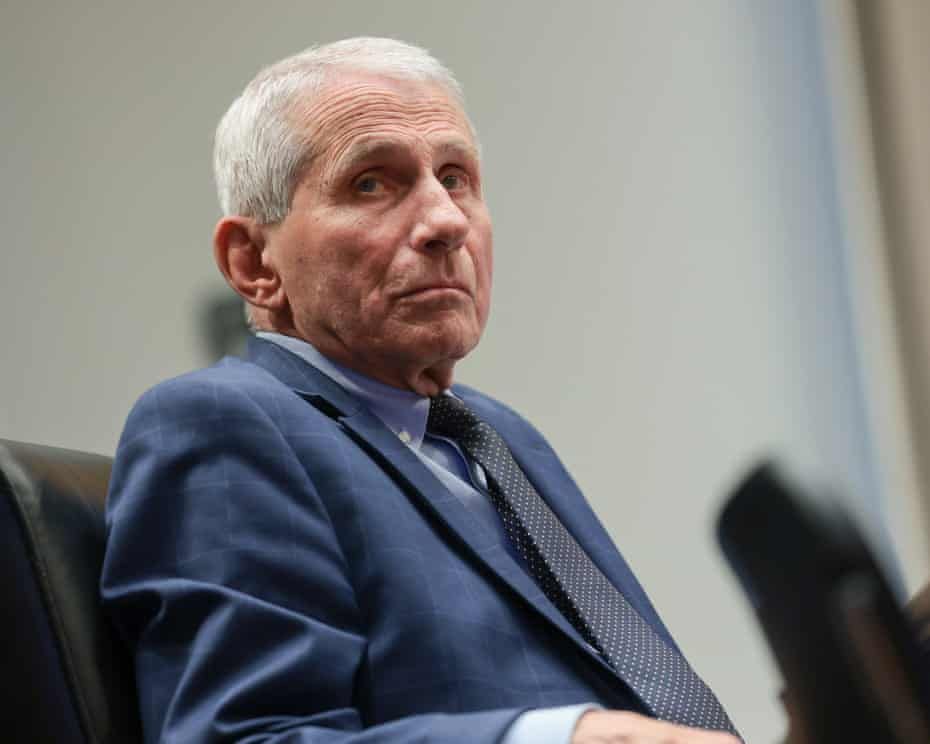
Senator Paul rejects that argument. He insists Fauci cannot plead the Fifth because of a preemptive pardon issued by President Biden. Paul’s claim is that the pardon removes any risk of prosecution. Without risk, he argues, there is no basis to refuse to answer senators’ questions.
Paul said the pardon covers “any of the matters senators were asking him about.” From his view, that means Fauci has nothing to fear legally. Therefore, according to Paul, invoking the amendment is not valid and the witness must answer every question put to him under oath.
The senator also warned of consequences for silence. Paul argued that Fauci’s refusal to answer could lead to criminal prosecution for contempt of Congress or obstructing a congressional proceeding. He pointed to federal statutes that punish non-cooperation with lawmakers.
Federal law makes it a crime for witnesses to “willfully” refuse to answer questions when called to give congressional testimony. A separate statute makes it illegal to obstruct an investigation by a congressional committee. Paul cited both as tools Congress could use if Fauci continues to decline to answer.
The threat of “congressional contempt law” is real, but it is not automatic. Prosecutors must prove willfulness. Courts also weigh constitutional defenses. That is why Fauci’s legal team says the Fifth Amendment remains available even after a pardon, because other risks could still exist.
Fauci’s lawyers have argued that he is on “unassailable legal grounds” by pleading the amendment. They contend a pardon does not erase every possible exposure. Future charges, different jurisdictions, or related conduct could still create jeopardy, and the Constitution does not require a witness to gamble.
The dispute also raises political questions. Critics say targeting Fauci distracts from public health. One headline asked, “Why making Anthony Fauci the enemy will harm US public health for years.” The concern is that turning scientists into partisan targets undermines trust in health institutions.
Supporters of Paul say accountability matters. They argue Congress has oversight power and witnesses should not hide behind broad constitutional claims. To them, the pardon should end any fear of prosecution and open the door to full testimony about pandemic decisions.
Legal scholars note the Supreme Court has not required witnesses to prove danger with certainty. The standard is whether answers could furnish a link in a chain of evidence. If so, the privilege holds. That makes “Fifth Amendment congressional hearings” a well-established practice, not an exception.
The Library of Congress interpretation backs that view. It emphasizes the Court extended protection to legislative settings precisely because the risk of self-incrimination does not disappear outside a courtroom. Lawmakers cannot compel testimony that might later be used in a criminal case.
Biden’s pardon adds complexity. A pardon removes liability for specific federal offenses, but it does not cover state crimes or perjury. Lawyers argue those gaps matter. A witness could still incriminate themselves on related matters not covered by the pardon’s language.
Paul’s team counters that the pardon was broad and preemptive. They say it was designed to foreclose prosecution entirely. If that is true, they argue, the constitutional basis for silence collapses and Congress can demand answers without legal barrier.
Courts will likely decide if this reaches litigation. Judges have historically been cautious about forcing testimony. They balance legislative needs against individual rights. The Fifth Amendment is not a technicality, it is a core protection against government compulsion.
For Fauci, the stakes are personal and professional. He led the federal Covid response and became a lightning rod. His lawyers want to avoid any statement that could be misused later. They say invoking the amendment is prudent, not evasive.
For Congress, the stakes are institutional. Lawmakers want information to inform policy and oversight. They also want to show they can compel testimony. A standoff risks both branches looking weak if no resolution is reached.
The public watches a familiar pattern. A scientist, a senator, and the Constitution collide on television. Soundbites fly about “hiding the truth” and “abusing power.” Meanwhile the actual legal question is narrow: can the privilege be claimed after a pardon.
Most experts say yes, with caveats. The privilege is not absolute, but it is presumed valid until a court rules otherwise. That means Fauci can assert it now and let judges sort out whether Paul’s contempt threat has merit.
“Rand Paul Fauci testimony” has thus become a test case. It tests how far a pardon stretches, how Congress enforces subpoenas, and how the Fifth Amendment adapts to modern political investigations. The outcome will guide future hearings.
What is not in dispute is the text. The amendment protects against being a witness against oneself. The Library of Congress confirms that applies in Congress. Paul disputes the application here because he believes the risk is gone.
Fauci’s side says risk remains. Until a court says otherwise, the witness controls the decision. That is how the privilege works. It is not about guilt or innocence, it is about not being forced to supply evidence against yourself.
Read also: Trump Morocco alliance under scrutiny after Ceuta border crisis
The debate will continue in hearings and in the media. Each side will cite law and precedent. Each will accuse the other of politics. And the Constitution will sit in the middle, as it has since 1791, protecting silence as well as speech.
For now, “Fifth Amendment protection for Fauci” stands. Congress can pursue contempt, but it must overcome constitutional defenses. Paul can demand answers, but he must persuade a court the pardon removed all jeopardy. That legal fight is just beginning.


