

FG orders NAFDAC to suspend sachet alcohol ban amid security, economic concerns
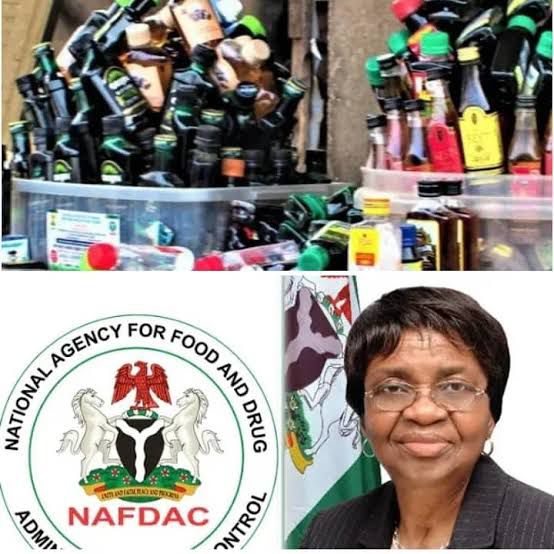
The Federal Government has directed the National Agency for Food and Drug Administration and Control (NAFDAC) to immediately suspend all enforcement actions relating to the proposed ban on sachet alcohol and 200ml PET bottle alcoholic beverages, citing security and economic considerations.
The directive, issued in Abuja on Wednesday, followed a coordinated intervention by the Office of the Secretary to the Government of the Federation (SGF) and the Office of the National Security Adviser (ONSA). According to officials, the move is aimed at preventing further disruptions pending the full implementation of the National Alcohol Policy.
The decision effectively pauses factory shutdowns, warehouse sealing, and other enforcement measures that had accompanied regulatory efforts to phase out small-sized alcoholic products from the market.
Policy pause pending full implementation
Government sources indicated that although the Federal Ministry of Health had signed the National Alcohol Policy in line with presidential directives, enforcement actions were considered premature without a harmonised implementation framework.
The directive reaffirmed an earlier instruction reportedly issued in December 2025, which had called for consultations before any sweeping regulatory steps were taken. Authorities emphasized that the ongoing review process must integrate legislative input, public health objectives, economic implications, and national security considerations.
By moving to suspend the ban, the government signaled that regulatory reform in the alcohol sector must be carefully sequenced to avoid unintended consequences.
Economic ripple effects of enforcement
Industry stakeholders have argued that abrupt enforcement of the sachet alcohol ban was already affecting production lines, supply chains, and informal distribution networks.
Nigeria’s alcoholic beverage market includes thousands of small-scale distributors, transporters, and retailers whose livelihoods depend on low-cost packaging formats.
According to economic analysts, sachet and small PET bottle alcohol products occupy a significant segment of the market due to affordability and ease of distribution. Any sudden prohibition could therefore disrupt employment across multiple layers of the value chain.
Government officials acknowledged these risks, noting that continued enforcement without a coordinated rollout plan might deepen unemployment pressures, particularly in communities where informal retail networks dominate.
Security dimension enters debate
The involvement of the Office of the National Security Adviser underscores the broader implications of the issue. Authorities suggested that large-scale factory closures and warehouse sealing operations could trigger community-level tensions or create black-market alternatives if not managed properly.
Security experts warn that abrupt regulatory shifts affecting widely consumed consumer goods can sometimes foster illicit trade, counterfeiting, and smuggling.
By suspending enforcement, the Federal Government appears to be prioritising stability while consultations continue.
The government stressed that the decision does not signal abandonment of public health goals but rather reflects the need for comprehensive coordination.
Legislative concerns and oversight
The Office of the SGF also confirmed receiving correspondence from the House of Representatives Committee on Food and Drugs Administration and Control. The letter reportedly referenced existing National Assembly resolutions and expressed reservations about immediate enforcement actions.
This legislative input adds another layer to the ongoing review. Policymakers are now weighing the balance between regulatory authority, parliamentary oversight, and stakeholder engagement.
Observers note that regulatory disputes of this scale often require alignment between executive agencies and lawmakers to ensure smooth implementation.
Public health versus economic stability
At the core of the sachet alcohol debate is a longstanding public health concern. Health advocates have argued that small-sized alcoholic products are easily accessible and may encourage underage or excessive consumption.
However, economic analysts caution that reforms must consider affordability patterns, consumer behavior, and enforcement capacity. Without a phased strategy, bans could create enforcement gaps or unintended market distortions.
By directing NAFDAC to suspend the sachet alcohol ban, the Federal Government appears to be recalibrating its approach—seeking to reconcile health priorities with socio-economic realities.
Industry reaction
Manufacturers and distributors have welcomed the suspension, describing it as an opportunity for dialogue. Several operators had previously raised concerns over investment losses and operational uncertainty stemming from enforcement measures.
A beverage industry representative noted that predictable regulatory timelines are critical for business planning. “We support responsible consumption policies, but implementation must be structured and transparent,” the stakeholder said.
While formal reactions from NAFDAC were still awaited at the time of reporting, regulatory experts expect the agency to comply with the directive and pause ongoing enforcement operations.
Officials indicated that consultations among ministries, regulatory bodies, security agencies, and lawmakers will continue in the coming weeks. A final directive is expected after inter-agency coordination is completed.
The government assured citizens and industry participants that any eventual decision will be communicated transparently, with adequate transition timelines to prevent market shock.
For now, the order that the FG orders NAFDAC to suspend sachet alcohol ban has introduced a temporary reprieve for producers and distributors, while policymakers revisit the broader framework governing alcohol regulation in Nigeria.
As the review unfolds, stakeholders across public health, industry, and security sectors will be watching closely to see how the final policy balances consumption control with economic and social stability.
About The Author


