The Federal Government has commenced what officials describe as a long-awaited reset of Nigeria’s electricity market, following the formal launch of a structured programme to settle an estimated ₦4 trillion power sector debt, a burden that has weighed down electricity generation and investment for more than a decade.
Under the initiative, five power generation companies (GenCos) have signed settlement agreements with the Nigerian Bulk Electricity Trading Plc (NBET), marking the first concrete step in resolving legacy payment arrears that have crippled liquidity across the Nigerian Electricity Supply Industry (NESI).
The breakthrough follows the issuance of a ₦501 billion Series 1 Power Sector Bond, which recorded full subscription and attracted strong participation from pension funds, commercial banks, asset managers, and other institutional investors.
Industry stakeholders say the response reflects renewed confidence in the Federal Government’s power sector reform agenda under President Bola Tinubu.
FG Begins N4tn Debt Settlement to Unlock Liquidity in Power Sector
At the heart of the initiative is the Presidential Power Sector Debt Reduction Programme, designed to clear verified receivables owed to power generation companies for electricity supplied between February 2015 and March 2025.
For years, these unpaid obligations have constrained GenCos’ cash flow, weakened balance sheets, stalled maintenance projects, and discouraged fresh investment in generation capacity—contributing to persistent power shortages nationwide.
Speaking at the signing ceremony in Lagos, the Managing Director of NBET, Johnson Akinnawo, described the programme as a defining moment for the sector, noting that it had the full backing of President Tinubu and the Federal Executive Council.
“This is not merely a financial transaction. It is a clear signal of political will and institutional commitment to fixing the structural weaknesses that have held the power sector back for years,” Akinnawo said.
He added that settling legacy debts would strengthen market discipline, restore confidence among investors, and create room for sustainable growth across the electricity value chain.
Five GenCos, 14 Power Plants Captured in First Phase
The Special Adviser to the President on Energy, Olu Verheijen, disclosed that five power generation companies operating 14 power plants across the country have executed settlement agreements under the programme.
The companies are:
- First Independent Power Limited
- Geregu Power Plc
- Ibom Power Company Limited
- Mabon Limited
- Niger Delta Power Holding Company Limited
According to Verheijen, the total negotiated settlement value for the five GenCos stands at ₦827.16 billion, to be paid in four phased instalments.
Proceeds from the ₦501 billion Series 1 bond will fund the first and second instalments—estimated at ₦421.42 billion, representing about 50 per cent of the total settlement amount. Payments will be made through a combination of cash and promissory notes.
She explained that the bond issuance represents a decisive reset of the electricity market, combining debt resolution with broader financial and structural reforms aimed at restoring long-term sustainability.
“This programme is about restoring confidence, enforcing fiscal discipline, and creating a credible pathway for future investment in Nigeria’s power sector,” Verheijen said.
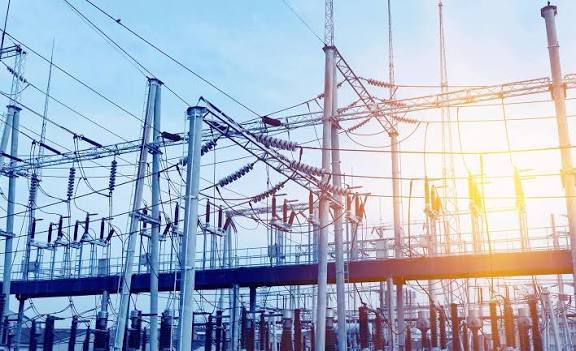
Industry analysts note that Nigeria’s power sector debt crisis has been one of the biggest obstacles to improving electricity supply. Many GenCos have struggled to service loans, fund routine maintenance, or expand capacity due to years of unpaid invoices.
Verheijen revealed that when fully implemented, the programme is expected to impact 4,483.60 megawatt-hours per hour of generation capacity and finalise payment for approximately 290,644.84 gigawatt-hours of electricity billed over the last decade.
She added that the initiative would directly benefit over 12.03 million active registered electricity customers, by creating conditions for improved generation reliability and future capacity expansion.
Investors, Operators React with Optimism
Power sector operators have welcomed the move, describing it as a turning point after years of uncertainty.
The Group Managing Director of Sahara Power Group, Kola Adesina, said clearing the historic arrears would unlock fresh capital and allow generation companies to reinvest.
“Capital formation only happens when there is confidence. Because of the huge debts owed to us, it was difficult to justify putting more money into the system,” Adesina said.
He disclosed that Sahara Power had already begun preparing for expansion, citing President Tinubu’s commitment to resolving legacy issues.
“Once this process is completed, construction will commence immediately on the second phase of the Egbin Power Plant. This is the kind of signal investors have been waiting for,” he added.
Bond Issuance Signals Market Confidence
The ₦501 billion bond, issued through NBET Finance Company Plc, was oversubscribed, with strong interest from institutional investors. Market watchers say the response demonstrates confidence in the government’s ability to manage the programme transparently.
The Minister of Finance and Coordinating Minister of the Economy, Wale Edun, represented by the Director-General of the Debt Management Office, Patience Oniha, described the transaction as a critical turning point.
“This bond issuance is more than a financing exercise. It represents a clear commitment by the Federal Government to honour its obligations and deploy innovative financial solutions to resolve systemic challenges in the power sector,” Edun said.
He added that structured settlement of legacy debts would enable GenCos to stabilise operations, improve maintenance, and attract new investment—key to boosting electricity supply nationwide.
The Federal Government acknowledged the roles played by several institutions in executing the programme, including:
- Debt Management Office
- Central Bank of Nigeria
- National Pensions Commission
- Nigerian Revenue Service
CardinalStone Partners Limited served as lead financial adviser and issuing house, while NBET acted as transaction sponsor. The Office of the Special Adviser on Energy led negotiations with the generation companies.
While stakeholders have applauded the initiative, experts caution that debt settlement alone will not fix Nigeria’s electricity challenges. They stress the need for complementary reforms, including cost-reflective tariffs, improved collection efficiency by distribution companies, and stronger regulatory enforcement.
Nevertheless, the decision that FG begins N4tn debt settlement is widely seen as a foundational step—one that could finally unlock investment, stabilise generation, and place the power sector on a more sustainable footing.
About The Author