‘Eye-popping’ levels of carcinogen found in UK gas supply have raised fresh concerns among researchers, after studies detected benzene in domestic gas samples across multiple European countries, including the United Kingdom, the Netherlands, and Italy.
Researchers from Stanford University’s Doerr School of Sustainability reported that benzene, a known cancer-causing substance, was present in all 72 gas samples tested, with a significant number of samples taken from UK homes in cities such as London, Edinburgh, and Manchester.
Benzene is a naturally occurring chemical found in oil and gas fields, but it is considered highly dangerous because there is no safe level of exposure, according to global health authorities like the World Health Organization.
Exposure to benzene has been linked to serious health risks, including leukaemia and DNA damage, making the findings particularly concerning for households that rely on gas for cooking and heating.
The research found that some gas samples contained levels far above recommended limits, with London recording the highest readings in the UK, significantly exceeding European safety guidelines.
Scientists also discovered that many homes had gas leaks even when appliances were switched off, suggesting that exposure could occur unknowingly and continuously in everyday living environments.
About 40 per cent of kitchens tested across the three countries showed signs of gas leakage, highlighting how widespread the issue may be in domestic settings.
Researchers warned that a portion of homes had leaks large enough to exceed national exposure limits for benzene, potentially putting residents at risk of long-term health effects.
In modelling studies, scientists estimated that benzene exposure from gas leaks in some UK homes could be worse than exposure experienced by a person living with a cigarette smoker, in terms of benzene intake alone.
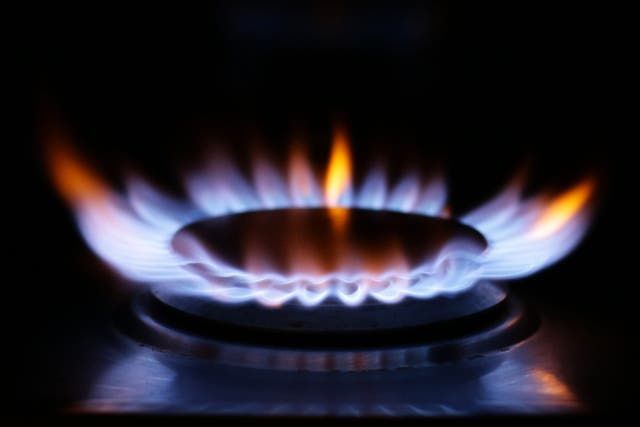
Despite these concerns, the UK government maintains that current regulations and controls make it unlikely for individuals to be exposed to harmful levels of benzene through domestic gas use.
However, the researchers argue that the presence of benzene in household gas supplies and undetected leaks still represents a significant public health concern that may not be fully addressed by existing safety measures.
One major issue highlighted is that odorants added to gas, which are intended to alert people to leaks, may not always be strong enough to detect dangerous levels of benzene exposure.
This means that even without a noticeable smell, people could be inhaling harmful substances in their homes over extended periods without realizing it.
Scientists emphasized that while individuals can reduce risk by improving ventilation, such as opening windows, personal actions alone may not be sufficient to eliminate exposure.
The findings have sparked debate among health experts and researchers, with some calling for stricter monitoring and regulation of gas supplies to ensure safer indoor environments.
Others argue that more research is needed to fully understand the health impact of benzene exposure from domestic gas systems and to determine appropriate safety thresholds.
The study also raises broader questions about the safety of fossil fuel use in homes, particularly as countries aim to reduce reliance on gas in favour of cleaner energy sources.
Environmental health experts suggest that transitioning to alternative energy systems could help reduce exposure to harmful pollutants like benzene.
As discussions continue, policymakers may face pressure to reassess current safety standards and consider additional protections for households using gas appliances.
The research underscores the importance of air quality inside homes, an area that is often overlooked compared to outdoor pollution but can have significant impacts on long-term health.
Read also: WTO fertiliser warning over strait of Hormuz closure threatens global food supply
For now, the findings serve as a warning that everyday energy use in homes may carry hidden risks that require further attention from regulators and the public alike.
About The Author