Ex-world champion Parker fails drugs test for cocaine, throwing his future boxing plans into uncertainty. The test could lead to a ban of up to two years.
Parker, who holds 36 wins from 40 professional fights, now faces scrutiny from UK Anti-Doping (Ukad) and the British Boxing Board of Control (BBBC). The severity of punishment will depend on Ukad’s investigation.
While cocaine use in boxing is considered a serious violation, the exact consequences may vary. Depending on circumstances, Parker could face a suspension as short as three months.
Ex-world champion Parker fails drugs test for cocaine, a source close to the case confirmed. The organizations are yet to finalize their investigations and have declined further comment.
Ukad did not administer the test that Parker failed. The agency has stated it will conduct its own independent review of the case before issuing a formal decision.

Parker, a New Zealand-born fighter, acknowledged the situation and promised transparency. “When the investigation is complete, I will speak openly and answer questions,” he said.
The failed test comes at a crucial moment in Parker’s career. He had been aiming to secure a fight against undisputed heavyweight champion Oleksandr Usyk before his recent loss to Fabio Wardley.
Parker held the WBO heavyweight title from 2016 to 2018. His reign was ended by Anthony Joshua in a high-profile Cardiff showdown that captured global attention.
The British Boxing Board of Control has been notified but has not issued a statement. The BBBC typically defers to Ukad on matters involving banned substances and disciplinary procedures.
Boxing fans reacted on social media, with many expressing surprise at Parker’s positive test. Cocaine violations are rare at the professional level, especially among top-ranked heavyweights.
If Ukad imposes a two-year ban, it could significantly disrupt Parker’s plans to re-enter the heavyweight championship picture. He would miss several key opportunities to fight elite opponents.
Even a short-term suspension could be damaging. Parker would be forced to pause his training and competition schedule, losing momentum and potentially sponsorship opportunities.
Ex-world champion Parker fails drugs test for cocaine, commentators noted, underscoring the shockwaves this case is sending through the boxing community.
Parker’s career has included notable victories over fighters such as Andy Ruiz Jr., Hughie Fury, and Razvan Cojanu. These wins contributed to his reputation as one of boxing’s top heavyweights.
Before the failed test, Parker was positioning himself for a major comeback. A potential fight against Oleksandr Usyk was widely anticipated by fans and pundits alike.
Cocaine is classified as a stimulant by anti-doping authorities. Its use violates Ukad’s prohibited substance list, which applies to both in-competition and out-of-competition testing.
“Substance violations are treated seriously,” a Ukad spokesperson said. “Investigations will consider context, intent, and history before determining sanctions. Parker’s case is under review.”
The failed test does not automatically result in a ban. Athletes are typically given an opportunity to present evidence, including medical explanations or mitigating circumstances, before final decisions are made.
Parker’s manager has confirmed that they are cooperating fully with both Ukad and the BBBC. They have not provided additional comment while the investigation is ongoing.
Parker, 32, has been a prominent figure in the heavyweight division for nearly a decade. His technical skills, combined with knockout power, have earned him recognition worldwide.
The positive test may affect Parker’s reputation, especially given his clean record prior to this incident. Fans and promoters will closely watch the outcome of Ukad’s review.
Ex-world champion Parker fails drugs test for cocaine, analysts warn, could threaten his career momentum and opportunities to challenge top heavyweights in 2026.
Cocaine use outside of competition is still considered a violation under anti-doping regulations. Athletes are expected to avoid recreational drugs that could endanger health or competition integrity.
Parker’s previous fights had shown consistency and skill. His loss to Wardley was considered an upset by many analysts, and the failed test adds further controversy to this period of his career.
Promoters had been negotiating potential fights for Parker in 2026. Any sanction could complicate these negotiations and affect broadcast or sponsorship deals.
Some commentators have noted that the timing of the failed test is particularly unfortunate. Parker had been building momentum to challenge for another world title before the violation surfaced.
The sporting community has debated the impact of recreational drug use on professional boxing. Cocaine, in particular, is associated with both health risks and potential performance enhancement in certain contexts.
Ukad’s investigation will likely examine the origin of the substance, how it entered Parker’s system, and whether any mitigating circumstances exist. Past cases have varied widely in length of suspension.
“The investigation will consider all available evidence,” Ukad stated. “We will ensure the process is fair and transparent, upholding the integrity of the sport while respecting the athlete’s rights.”
Parker’s career highlights include his 2016 victory over Andy Ruiz Jr., which secured his WBO heavyweight championship. His reign ended in 2018, but he remained a notable contender in the division.
Should Parker receive a lengthy ban, questions will arise about his long-term career prospects. Heavyweights in their early 30s often face a critical window for title contention.
The boxer’s social media accounts have remained largely silent since the announcement of the failed test. Fans are speculating on his next steps and whether he will return to training during the investigation.
Parker’s failure adds to a growing list of athletes facing scrutiny for substance violations, highlighting ongoing challenges in maintaining clean competition in professional sports.
The British Boxing Board of Control has emphasized that it takes a strict stance on doping violations. Decisions typically follow Ukad’s recommendations but can include additional measures if necessary.
Boxing experts have noted that the division is currently competitive, with heavyweights such as Usyk, Joshua, and Tyson Fury at the top. Parker had been seeking to reclaim relevance among this elite group.
“Parker has proven himself in the ring,” said one analyst. “This situation is unfortunate, but the investigation will determine the appropriate course of action. His career is at a crossroads.”
While cocaine is not considered a performance-enhancing drug in the traditional sense, its presence in an athlete’s system violates ethical and regulatory standards established by anti-doping authorities.
Parker has expressed commitment to transparency and accountability. “I am ready to answer questions and fully cooperate,” he said, signaling willingness to resolve the matter openly.
Fans, media, and boxing promoters will follow Ukad’s investigation closely. The decision could influence not only Parker’s career but also the broader approach to substance violations in boxing.
If Parker receives a suspension, he may need to undergo rehabilitation or counseling as part of conditions for reinstatement. Ukad and the BBBC have previously mandated educational programs for athletes in similar situations.
Parker’s potential comeback had been anticipated for major 2026 events. The failed test introduces uncertainty regarding his eligibility for high-profile bouts in the near term.
Cocaine violations often spark debate about the balance between personal responsibility and professional consequences in sports. Parker’s case may reignite discussion about recreational drug policies.
The boxer’s legacy, including his time as WBO heavyweight champion, will now be viewed in light of this incident. Fans and historians may reassess his achievements if a suspension is confirmed.
Parker’s next public statement is expected after Ukad completes its investigation. Until then, the boxing community is left awaiting clarity on the potential sanctions and their implications.
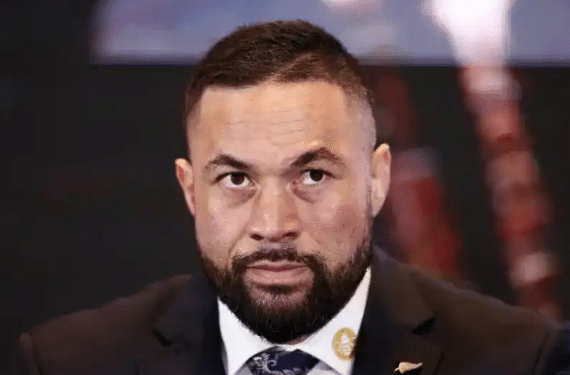
The outcome of this case may also influence other athletes, serving as a reminder of the consequences of violating anti-doping regulations, whether in or out of competition.
In summary, ex-world champion Parker fails drugs test for cocaine, marking a significant moment in his career. The investigation by Ukad and the BBBC will determine whether he faces a short suspension or a multi-year ban.
The case highlights the importance of compliance with anti-doping rules, the potential career risks associated with substance violations, and the ongoing scrutiny faced by elite athletes in professional boxing.
About The Author