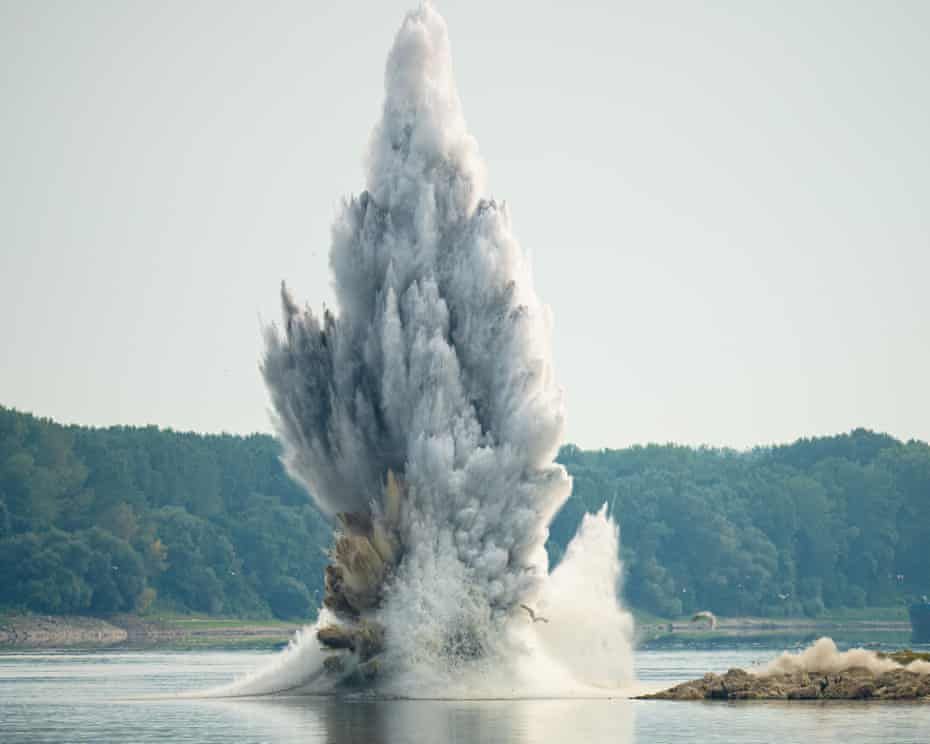
The Europe heatwave energy crisis intensified on Monday after Romania carried out a controlled underwater explosion in the Danube River to increase water flow to its Cernavodă nuclear power plant, highlighting the growing impact of extreme temperatures and severe drought on electricity generation, transport and economic activities across the continent.
Europe is battling one of its harshest summer weather emergencies in recent years, with prolonged heatwaves pushing temperatures close to or above 40 degrees Celsius across central and south-eastern regions. Rivers that normally sustain shipping, agriculture and electricity production have shrunk dramatically, exposing riverbeds and disrupting critical infrastructure.
Romania uses explosives to protect nuclear power generation
Romanian naval forces detonated about 180 kilograms of underwater explosives near Izvoarele to remove a massive submerged rock that had restricted water flowing into the Old Danube channel supplying the Cernavodă nuclear power plant.
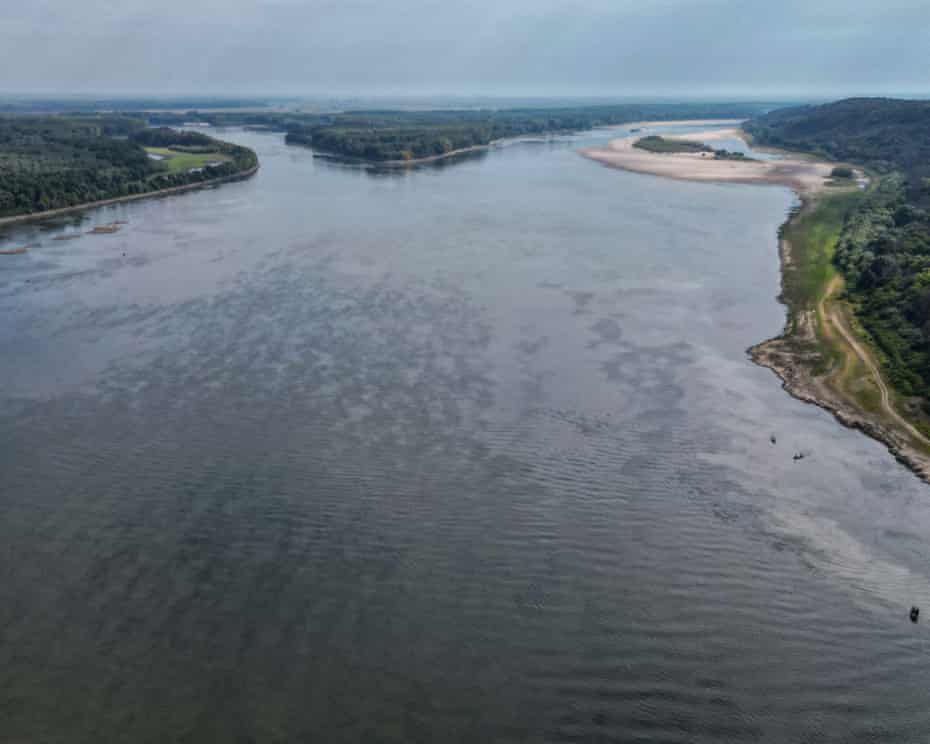
Authorities said the operation was necessary because exceptionally low Danube water levels had reduced the amount of cooling water reaching the facility. Officials believe improving the water flow could help keep the plant operating safely for longer despite worsening weather conditions.
Romania’s acting Defence Minister, Radu Miruță, described the mission as successful, saying every additional day the nuclear station remains operational is economically valuable and helps strengthen national electricity supplies during the ongoing emergency.
The Romanian government recently declared a nationwide energy emergency throughout August after prolonged drought significantly reduced electricity production, forcing authorities to seek urgent measures to stabilise the national grid before peak electricity demand overwhelms supply.
Energy shortages spread across Europe
The crisis extends far beyond Romania. Hungary has been forced to shut down most operations at its only nuclear power station after dangerously low Danube water levels affected its cooling systems for the first time in more than four decades.
Serbia is also struggling with falling electricity production as reduced river flows have cut hydropower generation while insufficient cooling water has disrupted operations at major coal-fired power plants supplying the national grid.
Romania’s state-owned nuclear producer has already shut one reactor, while the second continues operating under restrictions. Officials warned further reductions could become unavoidable if weather conditions fail to improve during the coming days.
The Danube’s flow in parts of Romania has reportedly fallen to approximately one-third of its normal July average, creating enormous pressure on power generation, navigation and water supplies relied upon by millions across the region.
Major industries begin cutting production
The worsening Europe heatwave energy crisis has also forced large manufacturers to reduce operations in an effort to conserve electricity and prevent widespread blackouts.
Romania’s leading automobile manufacturers, Dacia and Ford, temporarily suspended production until 19 August after authorities introduced measures aimed at reducing electricity consumption by heavy industries during the national energy emergency.
Government officials warned electricity demand is expected to peak between evening hours when households require more cooling, increasing the likelihood of shortages unless industrial consumption is reduced significantly.
Analysts say additional companies may adopt similar measures if temperatures remain exceptionally high and electricity generation continues declining because of insufficient river water needed to cool power stations.
Shipping and businesses suffer
Low river levels have severely disrupted transportation across Europe. Barges carrying grain, oil and industrial materials are finding navigation increasingly difficult as channels become shallower and previously submerged sandbanks emerge along important waterways.
The disruption has affected commercial activities from the Port of Rotterdam to the Balkans, with businesses facing higher transportation costs, delivery delays and increased pressure on already fragile supply chains.
Energy analysts warned that climate-driven extremes are now affecting nearly every region simultaneously, reducing governments’ ability to rely on neighbouring countries for emergency electricity support during prolonged periods of extreme heat.
Greece battles deadly wildfires
While eastern Europe struggles with drought, Greece continues fighting devastating wildfires that have destroyed forests, farmland and homes northwest of Athens.
Hundreds of firefighters supported by aircraft remain deployed across affected areas after powerful winds fuelled rapidly spreading flames, forcing emergency evacuations in several communities.
The disaster turned even more tragic after two firefighting helicopters collided during aerial operations, killing two crew members. Authorities continue investigating the circumstances surrounding the fatal accident while firefighting efforts remain ongoing.
Images from affected regions show thick smoke covering vast areas as emergency responders work tirelessly to prevent additional destruction amid difficult weather conditions.
Migration tensions add political pressure
Europe is simultaneously confronting political challenges linked to migration following recent developments around Spain’s North African enclave of Ceuta.
European Commission President Ursula von der Leyen has reportedly urged stronger protection of the European Union’s external borders while encouraging closer cooperation with Morocco to improve early-warning systems and border management.
Italy has also formally introduced temporary border controls with Spain, citing concerns over migration management and potential risks to internal security following recent events.
Although the measures are expected to remain temporary, they illustrate how climate emergencies and migration pressures are increasingly overlapping to test Europe’s political unity and crisis-response capacity.
Read also: Trump Iran talks begin Monday as Hormuz deal nears
Scientists have repeatedly warned that climate change is increasing the frequency and intensity of prolonged heatwaves, droughts and wildfires across Europe. This year’s events are reinforcing concerns that critical infrastructure, including electricity generation, water resources and transport networks, must be strengthened to withstand increasingly extreme weather conditions.
As forecasts predict several more days of scorching temperatures across much of central and southern Europe, governments remain on high alert, hoping emergency interventions such as Romania’s Danube explosion will provide enough relief to prevent wider electricity shortages and minimise further economic disruption.