Epstein secret child claim has emerged as one of the most striking revelations from the recent release of millions of documents by the US Department of Justice, which detail the convicted financier Jeffrey Epstein’s extensive network of connections spanning politicians, royals, billionaires, and global leaders.
The latest release is said to be the final tranche of files, adding roughly three million pages to the public record, including emails, images, videos, and other communications that shed further light on Epstein’s expansive reach over several decades.
The newly disclosed documents bring the total number of Epstein-related files to approximately 3.5 million. The release includes media clippings, internal communications, legal correspondence, and digital files from Epstein’s personal and professional networks.
Justice officials have repeatedly emphasized that appearing in the files does not imply wrongdoing. Many entries document attempts to contact Epstein, reports of social or professional interactions, and unverified allegations that were never confirmed in court or legal proceedings.
Among the most striking revelations is an email exchange that appears to suggest that Epstein may have fathered a previously unknown child around 15 years ago.
The correspondence, reportedly sent by Sarah Ferguson, the former wife of Prince Andrew, congratulated Epstein on the birth of a “baby boy” and expressed both affection and frustration over a lack of communication.
A subsequent message allegedly reiterates Ferguson’s hurt, implying that Epstein had kept the news from her. Epstein is not publicly known to have had children, and no independent verification of this claim has been made.
Representatives for Ferguson have been contacted for comment, and the Department of Justice has not confirmed the allegation, leaving it unverified.

The files also reveal communication involving Prince Andrew, formally Andrew Mountbatten-Windsor, indicating that he invited Epstein to dine at Buckingham Palace years after Epstein’s conviction.
In the emails, Prince Andrew reportedly offered Epstein “lots of privacy” for a meeting in London, to which Epstein appeared receptive. Whether this meeting actually took place remains unknown, and Buckingham Palace has declined to comment.
Additional photographs released show Prince Andrew in social settings with unidentified women. These images are not timestamped, and no definitive context or conclusions can be drawn from them.
Donald Trump is another high-profile figure mentioned repeatedly in the new files. His name appears thousands of times, often in media reports or internal investigative notes rather than direct correspondence.
Some emails detail unverified accusations involving Trump that federal investigators reviewed, but officials deemed several of the accusers not credible. A 2012 redacted message references a potential visit by Epstein to Trump’s Mar-a-Lago club in Florida, despite Trump’s public statements that he had ceased socializing with Epstein years prior.
Trump has consistently denied any knowledge of Epstein’s illegal activities and has maintained that the release of the files clears him of wrongdoing.
Billionaire Elon Musk is mentioned in the documents through a series of email exchanges in 2012 and 2013, discussing potential visits to Epstein’s private Caribbean island. The messages include inquiries about the timing of social events on the island.
There is no evidence confirming that Musk ever visited, and he has publicly stated that he rejected multiple invitations. Musk emphasized that isolated emails could be misinterpreted to damage reputations, and he reiterated his support for the public release of Epstein files to ensure transparency.
The files also include allegations involving Bill Gates. Drafted emails by Epstein suggest that Gates engaged in extramarital affairs and that Epstein facilitated these interactions.
A spokesperson for Gates strongly denied the claims, calling them “absolutely absurd and completely false,” and stated that the emails reflect Epstein’s attempts to exaggerate influence and entrap others.
Gates and his representatives have consistently stressed that the documents do not provide evidence of any wrongdoing.
Former UK minister Lord Mandelson also appears in the newly released files.
Emails indicate that Epstein sent funds to Mandelson’s husband, Reinaldo Avila da Silva, to cover educational expenses and other costs.
Additional correspondence suggests that Mandelson may have provided Epstein with advance notice of government and financial developments, including discussions about an EU bailout during the Greek debt crisis.
Mandelson later resigned from the Labour Party, apologizing to Epstein’s victims and insisting that he had been unaware of Epstein’s crimes at the time of the interactions.
The new documents also show that Epstein made repeated attempts to secure a meeting with Russian President Vladimir Putin. Over several years, Epstein corresponded with intermediaries, including former European leaders, about potential meetings or introductions.
In one instance, Epstein reportedly told former Israeli Prime Minister Ehud Barak that he hoped to meet Putin in mid-2013 to discuss Western investment in Russia. It is unclear whether any such meetings ever took place.
Overall, the newly released files provide a broader understanding of Epstein’s global network of influence and the extensive reach of his social and professional connections.
Read also: New Epstein files raise fresh questions over third-party involvement despite official denials
While many of the emails and documents detail interactions with high-profile figures, authorities have emphasized that appearing in the files does not imply criminal involvement.
The release marks the culmination of years of public interest in Epstein’s activities and the extensive investigations into his conduct and networks.
The Epstein secret child claim, combined with revelations about interactions with royals, politicians, and billionaires, has sparked renewed scrutiny and media attention.
Journalists and researchers are continuing to comb through the millions of pages, seeking to verify claims, understand connections, and provide context for the interactions detailed in the documents.
While some allegations remain unverified or speculative, the files provide a unique window into the extensive network Epstein cultivated over decades.
In addition to the individuals already mentioned, the files include communications and references involving other high-profile figures and public officials. Several exchanges suggest financial transactions, requests for assistance, and invitations to social or private events.
These communications underscore the extensive overlap between Epstein’s personal, social, and business networks, as well as the curiosity and involvement of world leaders and influential figures in Epstein-related matters.
The scale of the release, which includes emails, photographs, and video files, has prompted debate about transparency, privacy, and the ethical responsibilities of public figures who were connected to Epstein in any capacity.
Legal experts have noted that while some documents provide new information, many are historic and do not constitute proof of illegal activity or wrongdoing. Still, the public availability of these files allows for unprecedented insight into Epstein’s communications and the relationships he cultivated over decades.
The documents are also significant for historians, legal scholars, and journalists seeking to understand the interplay between wealth, power, and influence in the late 20th and early 21st centuries.
Epstein’s connections crossed international borders and spanned political, corporate, and royal spheres, providing a case study in how networks of influence can operate globally. The release also serves as a cautionary example of the potential for private influence to intersect with public life in ways that attract scrutiny and controversy.
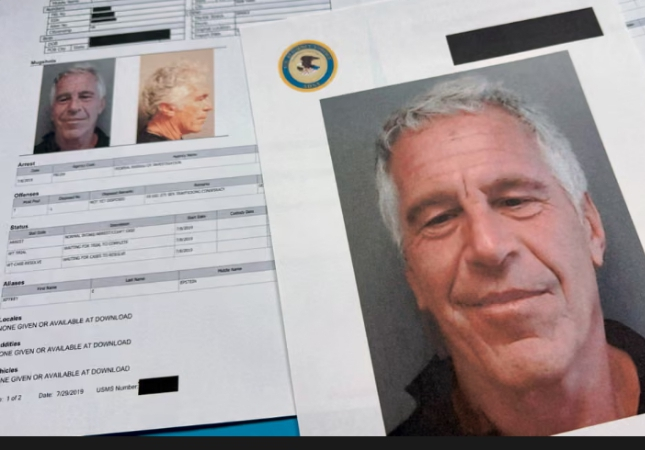
As researchers continue to examine the newly released files, the Epstein secret child claim is expected to remain a focal point, alongside the broader revelations about his network of contacts.
While some details will require verification, the documents provide additional context to Epstein’s life and the extensive, often secretive relationships he maintained with high-profile individuals around the world.
About The Author