The Ekpoma protest has triggered mass arrests, public outrage, and renewed debate over insecurity, policing, and the protection of students’ rights in Edo State.
Tension remains high in Ekpoma, a university town in Esan West Local Government Area of Edo State, following the arrest of more than 50 persons in connection with a violent demonstration that shook the community over the weekend.
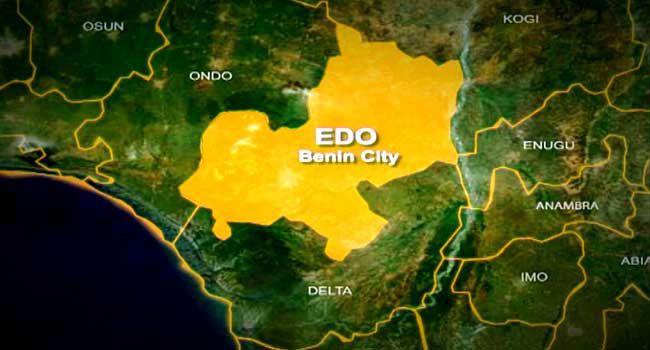
Among those taken into custody were students of Ambrose Alli University (AAU), a development that has stirred public debate about security challenges, youth involvement in protests, and the conduct of law enforcement agencies.
The arrests followed a large-scale demonstration by residents who had taken to the streets to express frustration over persistent cases of kidnapping and violent crime in the area.
For months, locals had reportedly complained of insecurity, alleging that criminal activities were becoming more frequent and that responses from relevant authorities were slow or ineffective.
These grievances culminated in what later became known as the Ekpoma protest, initially described by participants as a desperate call for government intervention.
According to eyewitness accounts, the protest began peacefully, with residents chanting slogans and carrying placards to draw attention to their plight.
However, as the crowd grew larger, the situation reportedly spiraled out of control.
Hoodlums allegedly hijacked the demonstration, leading to the looting of shops and the destruction of several properties.
Most notably, the palace of the Onojie of Ekpoma was vandalised, an act many community leaders described as a grave cultural and traditional offense.
The destruction of the palace marked a turning point in the incident. Community elders and opinion leaders condemned the attack, warning that such actions undermined the legitimacy of the protest and diverted attention from its original purpose.
As security agencies moved in to restore order, several people were arrested at different locations across the town.
Police operations later extended beyond the immediate protest areas, with officers reportedly conducting early-morning raids on hostels located outside the Ambrose Alli University campus.
Some of the affected students claimed they were asleep when security operatives arrived at about 3:00 a.m. and took them away without prior notice.
These accounts have fueled concerns among parents and civil rights advocates, especially as many of the arrested students insist they were not involved in the violence linked to the Ekpoma protest.
The suspects were transported in police vans, popularly known as Black Maria, to Benin City, where they are currently being held ahead of their arraignment at Criminal Court 2. On Monday, relatives and friends of the detainees gathered at the court premises, visibly anxious as they awaited developments.
Security was tight, with armed personnel restricting access to the courtroom and preventing journalists from covering the proceedings directly.
The heavy security presence has further raised questions about transparency and accountability.
Legal observers argue that while maintaining order is essential, denying media access could deepen public suspicion and erode trust in the justice process.
Others, however, contend that the restrictions were necessary to prevent disruptions, given the sensitive nature of the case.
Reacting to the violence, Edo State Governor Monday Okpebholo paid a condolence and assessment visit to the palace of the Onojie of Ekpoma.
During the visit, the governor strongly condemned the destruction of property, describing it as unjustifiable regardless of the grievances that led to the protest.
He stressed that no legitimate concern should be pursued through violence, especially when it targets cultural institutions and livelihoods.
The governor also reassured residents of the government’s commitment to addressing insecurity in the state.
He promised to strengthen collaboration between security agencies and local communities to ensure that criminal elements are flushed out.
According to him, lasting peace can only be achieved when citizens choose lawful means of engagement rather than actions that escalate tension, as witnessed during the Ekpoma protest.
The Edo State Police Command has defended its actions, insisting that the arrests were based on intelligence and evidence gathered during and after the violence.
Police spokesperson Eno Ikoedem stated that those arrested were suspected to have participated in looting, vandalism, and other criminal acts.
He emphasized that the police have a duty to protect lives and property and would not hesitate to act decisively when public order is threatened.
Despite this assurance, student groups and human rights organizations have called for caution.
They argue that mass arrests, particularly of young people and students, risk criminalizing legitimate dissent.
Representatives of student unions have urged authorities to carefully distinguish between peaceful protesters and those who exploited the situation for criminal purposes, warning that failure to do so could inflame tensions further.
Within Ekpoma itself, residents remain divided. While some believe the crackdown was necessary to deter future violence, others fear it may silence genuine concerns about safety.
Traders whose shops were looted during the unrest say they have suffered huge financial losses and are demanding compensation.
Traditional leaders, on the other hand, are calling for reconciliation and dialogue to heal the community.
Security analysts note that the incident reflects a broader national challenge, where public frustration over insecurity often collides with heavy-handed responses from authorities.
They argue that addressing the root causes of crime—such as unemployment, poor intelligence sharing, and weak community policing—would reduce the likelihood of protests turning violent, as seen in the Ekpoma protest.
As the suspects await their day in court, the outcome of the case is being closely watched. For many observers, it will test the balance between enforcing the law and protecting citizens’ rights.
The situation also serves as a reminder that while protests can be powerful tools for change, they require discipline, leadership, and clear objectives to avoid being hijacked by violence.
Ultimately, the Ekpoma incident has placed Edo State at a crossroads. How authorities handle the aftermath—through justice, reform, and meaningful engagement—may determine whether trust is rebuilt or further eroded.
For now, residents, students, and families of those detained can only wait, hoping that lessons are learned from a crisis that has left deep marks on the community.
Ireport247news
About The Author