An eight-year-old girl, Lillian Smart, has died after contracting a brain-eating amoeba in Louisiana, following suspected exposure while swimming at Lake Claiborne, health officials said.
Lillian Smart Dies After Rare Infection
Lillian, from Ruston, Louisiana, died on Saturday, just one day after celebrating her eighth birthday, according to her family, who shared the heartbreaking announcement publicly.
Her death came after she had been hospitalized since August 15, while relatives, friends and members of her community rallied around the family during her illness.
In an emotional statement shared through the “Love for Lillian” Facebook page, her family described the devastating moment they lost their daughter after doctors fought desperately to save her.
“Last night Lillian ran from our arms to the arms of Jesus,” the family said, describing the child’s final moments and the overwhelming grief following her death.

The family added that the injuries suffered by Lillian’s brain had become too severe for her body to recover, despite extensive efforts to keep her alive.
“The injuries to her brain were too severe for her little body to recover from,” the family said, expressing gratitude for everyone who supported them.
Community Rallies Behind Family
The tragedy deeply affected Ruston, where more than two dozen businesses reportedly supported the Smart family by donating portions of their sales during the difficult period.
The community support came as Lillian remained hospitalized and her family publicly appealed for prayers, encouragement and assistance while confronting the devastating medical crisis.
The Louisiana Department of Health confirmed on August 19 that a state resident had contracted Naegleria fowleri, a rare organism associated with severe brain infections.
Officials said the exposure most likely occurred while the infected person was swimming in Lake Claiborne, located in Claiborne Parish, although the department did not initially identify the patient publicly.
Local reports and family friends later identified Lillian as the infected resident, connecting the health department’s announcement with the child’s increasingly critical medical condition.
According to the source report from The Guardian, health officials believe the exposure occurred during swimming, highlighting the dangers associated with warm freshwater environments during summer.
What Is Naegleria Fowleri?
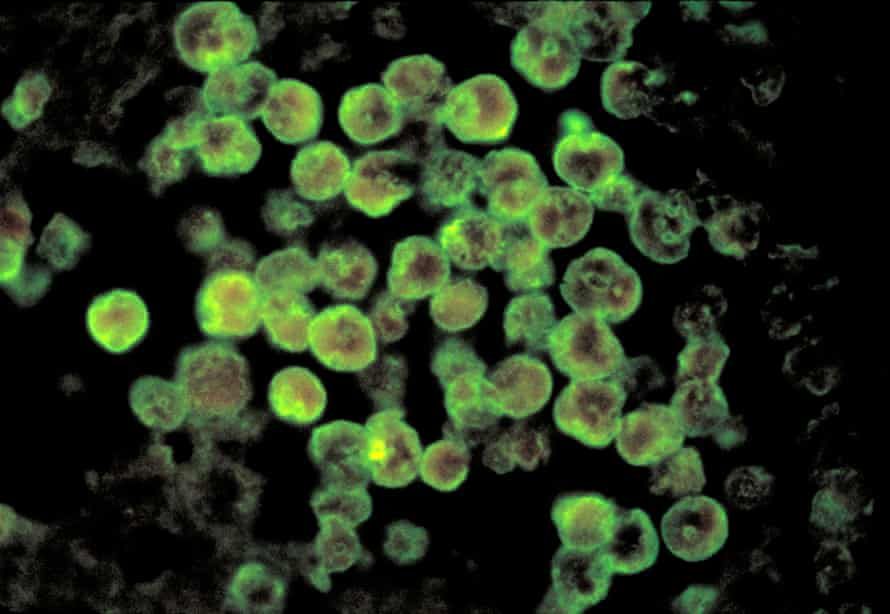
Naegleria fowleri is a microscopic amoeba that can live in warm freshwater, including lakes, rivers and ponds, particularly when temperatures become favorable for its growth.
The organism can cause primary amebic meningoencephalitis, a rare and devastating infection that affects the brain and develops after contaminated water enters through the nose.
The infection does not normally occur because someone swallows contaminated water, meaning the route through which water enters the body is particularly important.
Health experts also emphasize that Naegleria fowleri infection does not spread from one person to another, making ordinary contact with an infected individual an unlikely route of transmission.
The amoeba is not normally found in properly maintained and adequately chlorinated swimming pools, while saltwater environments are also not considered typical habitats for the organism.
Why The Infection Is So Dangerous
Although infections remain extraordinarily uncommon, Naegleria fowleri disease is considered extremely serious because the resulting brain infection can progress rapidly after symptoms begin.
According to available United States health data, only about 180 cases have been identified nationally since records began in 1937, underscoring the rarity of the infection.
Louisiana has recorded only a handful of infections since 2011, making Lillian’s death another exceptionally rare but devastating occurrence associated with freshwater exposure.
The amoeba generally thrives in warm water, and cases are more commonly reported during hotter months, particularly across southern parts of the United States.
Researchers have also raised concerns about changing environmental conditions, suggesting that warming temperatures could potentially allow the organism to appear in areas where infections were previously unusual.
Lake Claiborne Exposure Under Investigation
The suspected connection between Lillian and Lake Claiborne has drawn attention to freshwater safety, although officials have not suggested that every person swimming there will become infected.
The Louisiana health department’s confirmation established that the infection occurred in the state and that Lake Claiborne was considered the most likely location of exposure.
For families visiting freshwater recreation areas, experts generally stress avoiding situations where warm freshwater can forcefully enter the nose, particularly during periods of elevated temperatures.
Previous Cases Highlight Serious Risk
Lillian’s death follows previous cases involving children, including an Arkansas child who died in 2023 after contracting Naegleria fowleri following exposure at a splash pad.
Such cases demonstrate why health officials continue monitoring unusual infections while educating the public about the extremely small but serious risk associated with contaminated warm freshwater.
Despite its frightening reputation, experts stress that Naegleria fowleri infections remain extraordinarily rare compared with the millions of people who safely participate in swimming and other recreational water activities.
Read also:Australia H5N1 bird flu found in first local mammal
The tragedy nevertheless serves as a painful reminder that rare infections can have devastating consequences, particularly when symptoms develop quickly and medical intervention becomes urgently necessary.
For the Smart family, however, the statistics offer little comfort as they mourn a child whose life ended shortly after her eighth birthday and amid widespread community support.
Lillian’s family said they were heartbroken and uncertain about how to continue without their daughter, expressing the profound grief caused by her sudden and devastating death.
The family’s statement captured the depth of their loss: “How do we put one foot in front of the other without our girl?” they asked.
The heartbreaking question has resonated with those who followed Lillian’s illness, while community members continue mourning alongside relatives and remembering the young girl whose life ended far too soon.
What The Public Should Know
Health information indicates that people cannot contract Naegleria fowleri simply through ordinary contact with someone infected, because the infection is not transmitted between people.
The principal concern involves contaminated warm freshwater entering the nose, where the organism can potentially travel toward the brain and cause the severe infection.
While the risk remains exceptionally low, awareness about freshwater exposure can help swimmers make informed decisions, especially during periods of unusually high temperatures.
Lillian Smart’s death has therefore combined a deeply personal family tragedy with renewed attention on a rare infection that continues to concern health authorities.
Her passing also highlights the importance of timely public-health communication whenever unusual infections are detected, particularly when authorities identify a possible environmental exposure.
For the Smart family, the immediate priority remains grieving and remembering Lillian, while the wider community continues offering support following the heartbreaking loss of the eight-year-old.
The case is a sobering reminder that even extraordinarily rare illnesses can leave permanent scars on families, communities and everyone touched by an unexpected tragedy.
About The Author