Forensic audit of NNPC ongoing – Edun
Nigeria’s fiscal authorities have intensified scrutiny of oil revenue flows as the Forensic audit of NNPC ongoing – Edun signals a deeper examination of deductions and remittances tied to the country’s most strategic revenue source.
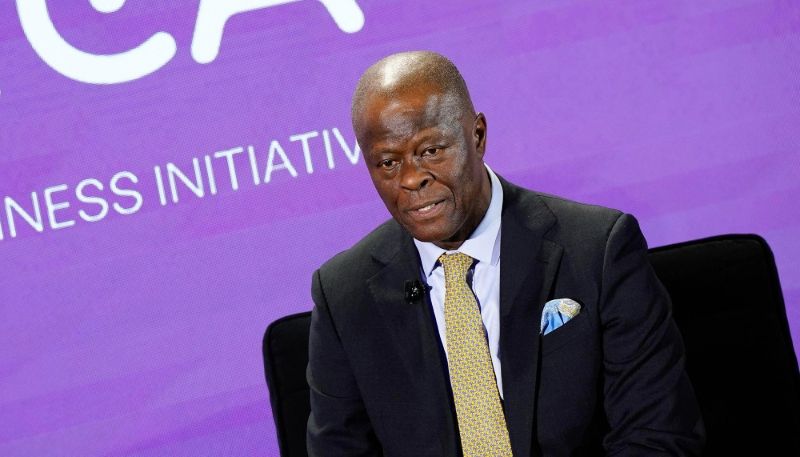
The Minister of Finance and Coordinating Minister of the Economy, Wale Edun, disclosed that the review of the Nigerian National Petroleum Company Limited is currently underway.
The exercise, he explained, was mandated within the framework of deliberations by the Federation Account Allocation Committee (FAAC), which oversees the distribution of federally collected revenues to the three tiers of government.
Speaking at a press briefing in Abuja, Edun described the audit as part of a coordinated effort to strengthen transparency and ensure that statutory inflows into the Federation Account reflect accurate figures after legitimate deductions.
Executive order reshapes revenue flows
The announcement that the forensic audit of NNPC ongoing – Edun coincides with the rollout of a presidential executive order directing that specific oil and gas revenue components be paid directly into the Federation Account.
According to the minister, the directive covers three key revenue lines: management fees, frontier exploration funds and gas flare penalties. These items, previously subject to varying remittance processes, are now required to flow straight into the central revenue pool.
Edun emphasised that the executive order does not override ongoing legislative or institutional reviews. Instead, it complements broader efforts aimed at reconciling figures and clarifying longstanding debates over alleged remittance shortfalls.
The minister noted that the Federal Executive Council had earlier established a subcommittee to examine cost-of-collection charges and other deductions applied before revenues are shared among the Federal Government, states and local governments.
Addressing remittance concerns
The disclosure that the forensic audit of NNPC ongoing – Edun comes amid persistent concerns by subnational governments over oil revenue transparency. Several governors have previously called for clearer reconciliation of what is earned, deducted and eventually remitted.
By scrutinising management fees and operational deductions, authorities aim to determine whether existing charges align with statutory frameworks and financial regulations.
Edun reiterated that, under prevailing laws including the Fiscal Responsibility Act, revenue-collecting agencies are limited in the proportion of income they may retain for operational expenses. Surpluses beyond approved thresholds must be transferred to the government.
Fiscal analysts argue that resolving ambiguities around oil revenue deductions could significantly enhance predictability in budget planning, especially at state and local government levels that depend heavily on FAAC allocations.
Technology-driven accountability
Beyond the audit process itself, the minister outlined measures designed to modernise revenue collection systems. All revenue-earning Ministries, Departments and Agencies have been directed to migrate to a unified digital platform.
The platform, according to Edun, enables real-time visibility into assessments, payments and outstanding obligations. By eliminating manual cash handling—scheduled to cease from February 20—the government intends to close loopholes that facilitate leakages.
The forensic audit of NNPC ongoing – Edun is therefore part of a broader digital transformation agenda within public finance management. Observers note that integrating oil revenue tracking into centralised systems could enhance cross-agency reconciliation and reduce discrepancies.
Domestic resource mobilisation imperative
Linking the audit to macroeconomic strategy, Edun stressed the importance of strengthening domestic resource mobilisation in an era of elevated global interest rates and constrained fiscal space.
Nigeria’s debt service obligations have grown in recent years, placing pressure on recurrent expenditure and limiting capital investment capacity. The minister warned that reliance on non-self-liquidating debt could crowd out funding for health, education and infrastructure.
Within this context, ensuring that oil revenues are accurately assessed and remitted assumes critical importance. The forensic audit of NNPC ongoing – Edun is expected to shed light on historical backlogs and improve confidence in fiscal reporting.
Investor engagement and market stability
Edun also addressed parallel engagements with private equity investors over concerns related to capital gains tax. He cautioned that abrupt capital exits could destabilise financial markets, underscoring the need for structured dialogue.
The government, he said, remains open to concession and partnership proposals involving revenue-generating public assets such as airports and seaports, provided arrangements align with national interest.
While these discussions are distinct from the audit, they form part of a comprehensive strategy to broaden revenue sources beyond oil, reducing vulnerability to commodity cycles.
Social protection and reform continuity
On the social front, Edun reported that 9.1 million households have benefited at least once from the government’s direct benefit transfer programme, with additional households slated for coverage. This expansion, he indicated, reflects ongoing efforts to cushion reform impacts.
The forensic audit of NNPC ongoing – Edun is therefore situated within a wider reform landscape that includes subsidy removal, executive directives and institutional restructuring.
Policy experts suggest that the ultimate impact of the audit will depend on transparency in publishing findings and implementing recommendations. Clear timelines, stakeholder engagement and legislative cooperation will be essential to sustain momentum.
If effectively executed, the review could recalibrate trust between federal and subnational governments while strengthening fiscal discipline.
In an economy where hydrocarbon revenues remain central to public finance, enhanced accountability at the national oil company level may prove pivotal to long-term stability.
For now, the confirmation that the forensic audit of NNPC ongoing – Edun represents a significant milestone in Nigeria’s ongoing efforts to align oil revenue management with global standards of transparency and governance.
About The Author