

Abdulmalik Obadaki, suspected mastermind of 2012 Kogi church attack, arraigned by DSS. He faces terrorism, conspiracy, and escape from lawful custody charges.
The Department of State Services (DSS) has formally arraigned Abdulmalik Obadaki, widely regarded as the alleged mastermind behind the 2012 terror attack on the Deeper Life Bible Church in Otite, near Okene, Kogi State.
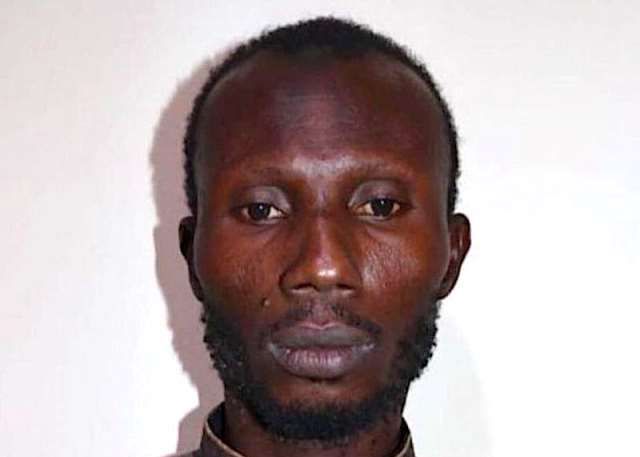
The attack left a deep scar on the community and is remembered as one of the most brutal assaults on worshippers in the region.
On the morning of August 7, 2012, the serene gathering at a Bible study session turned into a scene of horror.
Three gunmen, reportedly armed with AK-47 rifles, stormed the church premises and opened fire indiscriminately on the worshippers.
Eyewitness accounts indicate that the attackers executed their operation with alarming precision, striking fear and panic among church members.
By the end of the attack, fifteen people had been killed on the spot, while dozens more sustained injuries.
Tragically, four of those injured later died from their wounds, bringing the total death toll to nineteen.
Authorities have linked the attack to the Ansaru terrorist group, a violent faction responsible for a number of terror activities across Nigeria.
Investigations suggest that Obadaki was a key figure within the group, orchestrating not only the church attack but subsequent criminal operations that targeted other communities and financial institutions.
Following the Kogi State church massacre, Obadaki reportedly led a gang responsible for raiding five commercial banks in Uromi, Edo State.
During these coordinated attacks, several people lost their lives, and significant sums of money were stolen.
Security agencies have since traced these violent activities back to him, highlighting a pattern of terrorism, armed robbery, and organized criminality.
Obadaki’s reign of terror was temporarily halted when security operatives apprehended him and remanded him at the Kuje Custodial Centre in Abuja.
However, he managed to escape during the infamous July 2022 jailbreak at the prison, a high-profile incident that allowed several dangerous detainees to flee.
His escape underscored the challenges facing Nigerian custodial facilities in preventing high-risk inmates from absconding.
On November 15, 2025, the DSS announced the successful rearrest of Obadaki after an extensive manhunt spanning several months.
The agency described the capture as a major victory against terrorism and emphasized that Obadaki had been a significant threat to national security.
His apprehension brought relief to communities affected by his violent activities over the years.
Six days following his rearrest, Obadaki was arraigned before Justice Joyce Abdulmalik of the Federal High Court in Abuja.
The secret police presented him with a six-count charge that includes terrorism-related offences, conspiracy, aiding attacks, concealment of critical information, and escape from lawful custody.
The arraignment was conducted under heavy security to prevent any disruption, given the sensitive nature of the case.
During the court proceedings, Obadaki pleaded guilty only to the sixth count, which concerns his escape from lawful custody.
He denied the remaining charges, which relate to acts of terrorism and violent attacks across multiple states.
Justice Abdulmalik adjourned the case to January 26, 2026, while ordering that Obadaki remain in the custody of the DSS pending the next hearing.
The case has drawn national attention, with security analysts emphasizing its importance in sending a strong message to other suspected terrorists and criminal networks operating in Nigeria.
Observers note that prosecuting Obadaki will not only hold him accountable for past crimes but also reinforce the government’s commitment to fighting terrorism and organized crime.
Communities affected by the 2012 Kogi church attack have expressed relief at Obadaki’s recapture and prosecution.
Survivors and family members of victims have described the arraignment as a step toward justice and closure, noting that the prolonged period since the attack had left lingering trauma.
Human rights groups have also called for a transparent judicial process to ensure that justice is served and that Obadaki faces appropriate consequences for his actions.
The DSS has reiterated its resolve to track down and bring to justice individuals involved in terrorist activities, stressing that Obadaki’s case serves as a warning to others.
By securing his rearrest and arraignment, security agencies hope to deter future attacks and strengthen public confidence in the nation’s law enforcement capabilities.
As the trial progresses, Nigerians and international observers alike are closely monitoring developments.
The case of Abdulmalik Obadaki highlights the continuing challenges of combating terrorism and organized crime in the country, while underscoring the critical role of intelligence agencies in safeguarding national security.


