

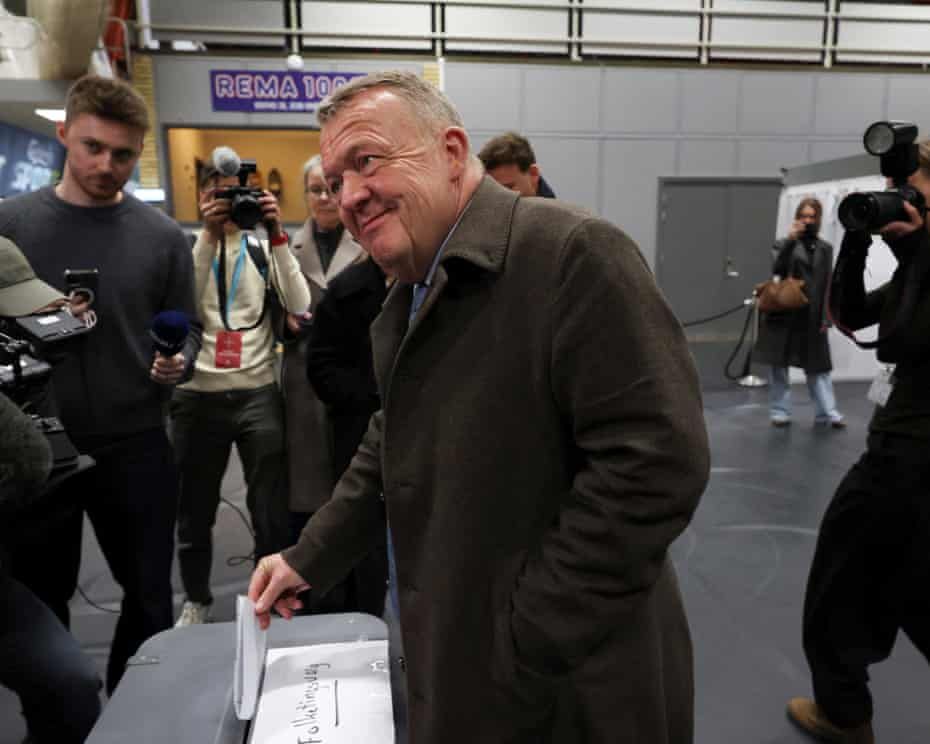
Denmark Election tight race 2026 is capturing global attention as voters decide the future of leadership, coalition power, and geopolitical direction in a closely watched parliamentary contest across the nation today.
The Denmark election tight race 2026 has placed incumbent Prime Minister Mette Frederiksen at the center of expectations, with analysts predicting she may continue leading despite uncertain coalition dynamics emerging after the vote.
Political observers say the election race reflects deeper tensions between Denmark’s traditional red and blue blocs, both struggling to secure a clear majority that would allow stable governance without compromise.
The race is further complicated by the growing influence of smaller parties, especially the Moderates, whose leader Lars Løkke Rasmussen could determine the next government through strategic coalition negotiations.
In the election tight race 2026, the red bloc includes left-leaning parties such as the Social Democrats and Socialist groups, while the blue bloc represents conservative and liberal factions competing for parliamentary control.
Analysts say the tight race highlights shifting political norms, as Frederiksen’s government has already collaborated with centrist and right-leaning groups, breaking traditional expectations about strict ideological alliances in Danish politics.
Voters participating in the Denmark election tight race 2026 are also influenced by pressing domestic concerns, including cost of living pressures, immigration policies, and environmental issues that have dominated campaign discussions nationwide.
The tight race 2026 has seen immigration emerge as a central issue, with Frederiksen’s government previously adopting stricter policies that have both reduced far-right growth and influenced broader political discourse.
Observers note that the 2026 election also reflects voter concern about national identity and social cohesion, as debates around immigration and integration remain highly prominent in public conversations.
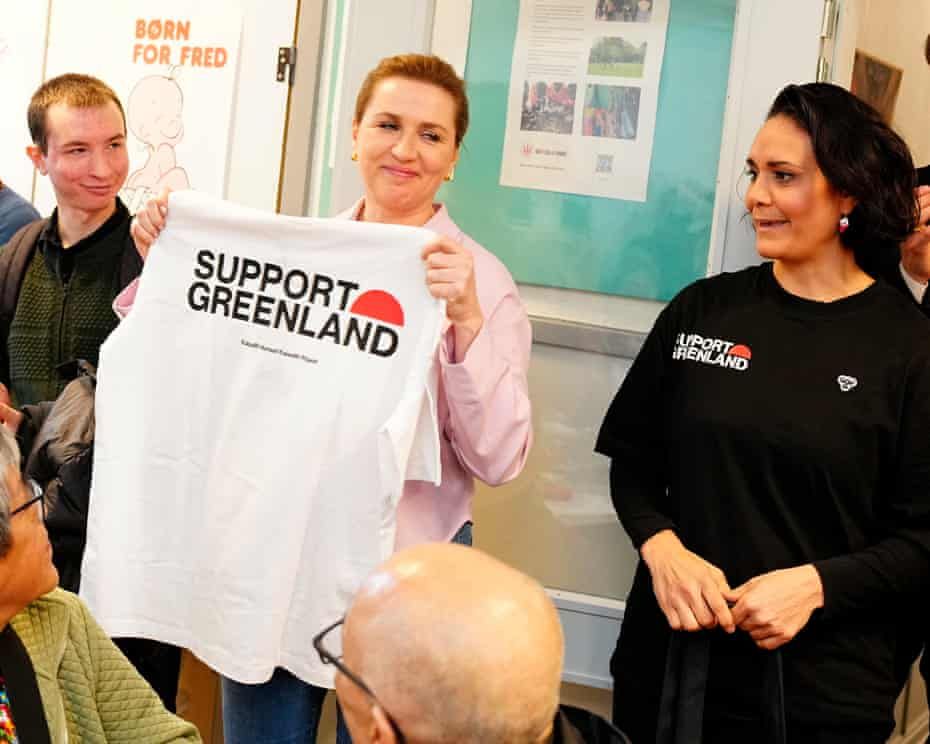
Geopolitical tensions have also shaped the election, particularly due to renewed international focus on Greenland following controversial statements from US political figures regarding the territory.
During the Denmark election tight race 2026, Greenland itself has held elections for parliamentary representation, emphasizing its strategic importance and the increasing global attention directed toward Arctic politics and sovereignty.
The Denmark election tight race 2026 has placed Greenland at the center of international discussions, especially as local leaders describe the current period as one of the most important in their history.
Military cooperation discussions have also influenced the Denmark election tight race 2026, with reports suggesting the United States is negotiating expanded access to bases in Greenland with Danish authorities.
Such developments add complexity to the Denmark election tight race 2026, as voters consider not only domestic policies but also Denmark’s role within broader NATO and global security frameworks.
The Denmark election tight race 2026 continues to highlight the importance of coalition-building, as no single bloc is expected to secure a majority, making post-election negotiations crucial for forming a government.
Lars Løkke Rasmussen’s role in the Denmark election tight race 2026 is particularly significant, as he positions himself as a mediator capable of guiding negotiations across political divides.
His designation as a “royal investigator” in the Denmark election tight race 2026 underscores his potential influence in shaping the eventual governing coalition depending on election outcomes.
Voters in the Denmark election tight race 2026 are also responding to economic concerns, with debates around fuel prices and cost-of-living pressures influencing campaign strategies and voter priorities.
Some parties in the Denmark election tight race 2026 have even attempted unconventional campaign strategies, including temporary fuel price reductions to attract voters in highly competitive constituencies.
The Denmark election tight race 2026 reflects broader European political trends, where centrist and populist movements are reshaping traditional party systems and influencing voter behavior across multiple nations.
As results approach in the Denmark election tight race 2026, analysts are closely watching voter turnout, which could significantly impact which bloc gains the upper hand in forming a coalition government.
High turnout in the Denmark election tight race 2026 may benefit parties with strong grassroots mobilization, while lower participation could favor more established political structures and disciplined voter bases.
The Denmark election tight race 2026 is expected to produce swift but complex negotiations once results are confirmed, with no party likely able to govern alone without forming alliances.
Political commentators say the Denmark election tight race 2026 could take days or weeks to resolve, depending on how quickly parties agree on coalition terms and policy compromises.
Frederiksen’s leadership during the Denmark election tight race 2026 has been marked by a focus on stability, but critics argue her policies have shifted political discourse toward stricter immigration and security measures.
The Denmark election tight race 2026 has also sparked debate about democratic values, with voters considering how Denmark positions itself within Europe amid rising geopolitical uncertainty.
International observers are watching the Denmark election tight race 2026 closely, as the outcome could influence Denmark’s role in European Union policymaking and global diplomatic relations.
The Denmark election tight race 2026 emphasizes the importance of Greenland within Danish politics, as its representation and strategic location continue to shape national debates and foreign policy decisions.
Economic policies remain central to the Denmark election tight race 2026, with parties presenting differing approaches to taxation, welfare, and public spending as they seek voter support.
The Denmark election tight race 2026 has also highlighted generational divides, as younger voters prioritize climate action and social equality while older voters focus more on security and economic stability.
Campaign messaging in the Denmark election tight race 2026 has been intense, with party leaders making last-minute appeals to undecided voters through public appearances and digital outreach efforts.
Read also: Tehran strikes escalate as Israel intensifies operations, Trump pauses energy attacks
As polling stations open and close, the Denmark election tight race 2026 is expected to produce close results, potentially leading to a fragmented parliament without clear majority control.
Denmark election results may ultimately hinge on small shifts in voter preference, especially in key districts where margins of victory are historically narrow and highly competitive.
Coalition negotiations will likely determine policy direction more than individual party victories, highlighting the collaborative nature of Danish parliamentary democracy.
The Denmark election tight race 2026 demonstrates how modern elections are influenced by both domestic concerns and international pressures, reflecting the interconnected nature of global politics today.
Voters participating in the election are shaping not only their country’s leadership but also its approach to global issues, including security, climate, and economic cooperation.
The election tight race remains unresolved until final votes are counted, but the outcome will define the country’s political landscape for years to come.
Observers continue to monitor the Denmark election as results unfold, anticipating coalition talks that will determine Denmark’s next prime minister and governing priorities.
Ultimately, the election highlights the balance of power in Danish democracy, where negotiation, compromise, and voter engagement shape the future of governance.
About The Author
