

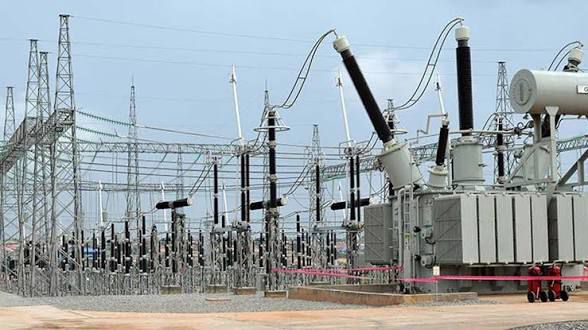
Nigeria Electricity Losses: Economy Bleeds N10trn Annually Amid Power Crisis
Nigeria’s persistent electricity challenges are exacting a heavy toll on economic productivity, with fresh estimates indicating that Nigeria electricity losses have climbed to as much as N10 trillion annually. This alarming figure underscores the deep structural weaknesses in the country’s power sector and highlights the urgent need for comprehensive reforms.
The Chief Executive Officer of the Centre for the Promotion of Private Enterprise, Muda Yusuf, disclosed that unreliable electricity supply continues to erode business profitability, inflate production costs, and suppress overall economic growth.
According to Yusuf, the scale of Nigeria electricity losses reflects not just direct financial costs, but also the broader economic inefficiencies caused by unreliable power infrastructure.
Power Deficit Driving Economic Strain
At the core of the crisis is Nigeria’s chronic inability to generate and distribute sufficient electricity to meet demand. Businesses and households are forced to rely heavily on self-generation, primarily through petrol and diesel-powered generators.
Yusuf revealed that Nigerians spend over N3.7 trillion annually on alternative energy sources, a figure that significantly contributes to Nigeria electricity losses. This reliance on expensive fuel-based generation has entrenched a high-cost operating environment, particularly for small and medium enterprises.
“The structural dependence on generators has created a direct link between global oil prices and domestic inflation,” Yusuf explained, noting that fluctuations in international energy markets quickly translate into higher costs within Nigeria.
Inflationary Pressures Intensify
The implications of Nigeria electricity losses extend beyond businesses to the broader economy, particularly through inflation. Rising global crude oil prices—fueled by geopolitical tensions involving countries such as Iran, Israel, and the United States—have worsened domestic energy costs.
Disruptions around the Strait of Hormuz have pushed oil prices above $100 per barrel, leading to higher fuel prices across Nigeria.
This has triggered a ripple effect across transportation, logistics, manufacturing, and food supply chains.
Although Nigeria’s headline inflation rate showed a marginal decline to 15.06 per cent in February, Yusuf cautioned that this does not indicate a reduction in the cost of living. Instead, it reflects a slower pace of price increases—a phenomenon economists describe as disinflation.
“Households are still grappling with rising costs of food, transport, and energy. The pressure remains significant,” he said.
Businesses Face Mounting Challenges
For businesses, particularly SMEs, Nigeria electricity losses have translated into shrinking profit margins and reduced competitiveness. High energy costs continue to undermine production efficiency, while weak consumer purchasing power further dampens demand.
Manufacturers, in particular, are among the hardest hit. The cost of running generators, combined with rising input prices, has forced many firms to either scale down operations or pass costs onto consumers.
This cycle has contributed to a broader slowdown in economic activity, with productivity losses estimated between N7 trillion and N10 trillion annually.
Yusuf warned that without urgent intervention, the situation could worsen, especially as external shocks continue to impact energy prices and supply chains.
Structural Reforms and Policy Imperatives
Addressing Nigeria electricity losses requires a multi-pronged approach focused on both short-term relief and long-term structural reforms. Yusuf emphasised the need for increased investment in power generation, transmission, and distribution infrastructure.
He also highlighted the importance of decentralised energy solutions, including off-grid and renewable energy systems, which could provide more reliable power to underserved areas.
“Expanding access to renewable energy, particularly solar, can significantly reduce dependence on generators and lower energy costs,” he said.
To accelerate this transition, Yusuf called for targeted policy measures, including tax incentives and duty waivers on renewable energy equipment. Such interventions, he noted, would encourage private sector participation and drive adoption at scale.
Role of Domestic Refining and Energy Stability
Another critical component in reducing Nigeria electricity losses lies in strengthening domestic refining capacity. By ensuring a stable supply of refined petroleum products, the country can mitigate the impact of global oil price volatility on local energy costs.
Yusuf pointed out that improving local refining would also reduce pressure on foreign exchange reserves, further stabilising the economy.
He urged policymakers to adopt a coordinated approach that aligns monetary and fiscal policies with energy sector reforms. According to him, inconsistent policies could undermine progress and exacerbate existing vulnerabilities.
Outlook: Urgent Action Needed
As Nigeria grapples with ongoing energy challenges, experts agree that tackling Nigeria electricity losses must remain a top priority for economic recovery and growth.
The current trajectory suggests that without decisive action, the country will continue to face high inflation, weak productivity, and reduced investor confidence.
“The economy is highly vulnerable to energy shocks,” Yusuf warned. “Without reliable electricity, it will be difficult to achieve sustainable growth or improve living standards.”
Ultimately, resolving Nigeria electricity losses is not just about improving power supply—it is about unlocking economic potential, enhancing competitiveness, and securing a more stable future for businesses and households alike.
About The Author
