The United States has officially purchased Argentinian pesos and finalised a $20 billion currency swap agreement, a controversial decision drawing praise abroad but harsh criticism domestically.
Treasury Secretary Scott Bessent confirmed the deal after intense negotiations, declaring, “only the United States can act swiftly, and act we will.” His announcement echoed urgency and political ambition.
Bessent held four days of talks with Argentina’s finance minister Luis Caputo, who expressed “deepest gratitude” for Washington’s move, describing the agreement as “a lifeline for Argentina’s fragile economy.”
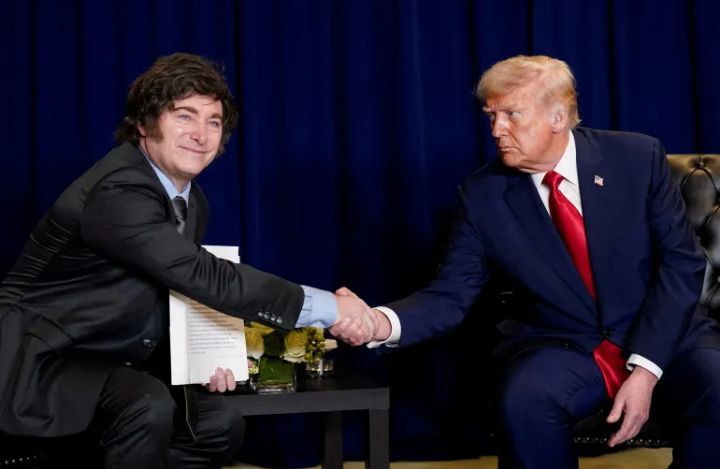
The agreement signals closer ties between US President Donald Trump and Argentine President Javier Milei, ideological allies who have embraced populist economics while facing turbulent financial markets and political uncertainty.
Argentina’s peso has been battered for months, falling more than six percent in a single October day, forcing Milei’s government to dump precious US dollars defending its currency.
Bond markets collapsed in September, losing investor confidence as Argentina’s central bank rapidly burned foreign reserves. Analysts warn that such interventions are short-term fixes, not long-term solutions for structural weakness.
Trump’s administration insists the $20 billion swap does not constitute a bailout. Yet critics argue it looks, smells, and functions exactly like one, undermining “America First.”
Democratic lawmakers swiftly introduced the “No Argentina Bailout Act,” aiming to prevent Treasury’s Exchange Stabilization Fund from being used to rescue foreign governments in politically motivated arrangements.
Senator Elizabeth Warren accused Trump of betrayal, declaring, “Trump promised America First. Instead, he props up a foreign government and sticks ordinary Americans with the bill.”
The fierce criticism resonates with US farmers who complain Argentina gains trade advantages, especially in soy exports to China, a market that American producers accuse Milei of exploiting shamelessly.
Republican loyalists, however, defend Trump’s decision as strategic. Senator Josh Hawley argued, “A strong Argentina means a stronger hemisphere. This isn’t charity. It’s about American influence and security.”
Political timing raises eyebrows: Milei faces midterm elections October 26. Trump’s move may strengthen his ally’s prospects, securing stability that could prevent a political bloodbath for Milei’s coalition.
Analyst Andres Abadia warned, “US support buys Milei time, but it is not a panacea. If he falters in elections, chaos quickly returns.”
The IMF has cautiously endorsed Milei’s reforms, praising fiscal prudence but admitting Argentina’s risk profile remains volatile. Private investors remain skeptical, fearing runaway inflation and potential social unrest.
Milei, often labelled a libertarian firebrand, stunned observers by winning Argentina’s presidency in 2023 with promises to dollarize the economy, slash bureaucracy, and crush inflation that exceeded triple digits.
His closeness with Trump is no secret. Trump once hailed Milei as his “favorite president,” a remark highlighting their ideological bond and shared disdain for establishment economics.
Still, Argentina’s crisis cannot be solved with symbolism. Inflation remains rampant, wages stagnant, and millions trapped in poverty. Critics call Milei’s vision radical theatrics masking real economic desperation.
Ordinary Argentines express skepticism. In Buenos Aires, shopkeeper Mariana Lopez sighed, “They say America is saving us. But I don’t feel saved when bread costs more daily.”
For Trump, the agreement represents both opportunity and liability. He strengthens ties with Latin America while facing backlash at home for allegedly betraying his nationalist economic agenda.
Historically, US interventions in Latin America have provoked controversy, from Cold War financial aid to IMF restructuring programs. This deal fits that legacy of “dollar diplomacy.”
The difference now lies in political branding. Trump frames the swap as strategic leverage against China’s influence in South America, rather than pure economic rescue.
“We will not allow China to dominate our hemisphere,” Trump declared earlier this year, a theme consistent with his administration’s framing of economic foreign policy decisions.
Yet Beijing looms large. Argentina is a key exporter of soybeans and beef to China. By rescuing Milei, Washington seeks to check Beijing’s expanding economic footprint.
However, critics say ordinary Americans bear the cost. Senator Bernie Sanders denounced, “Trump isn’t saving Argentina. He’s saving Wall Street investors with taxpayer-backed funds.”
This clash between foreign strategy and domestic accountability defines the political battle. Voters question whether rescuing Argentina aligns with American priorities or undermines promises of nationalist self-sufficiency.
Milei’s rhetoric emphasizes partnership. “This deal reflects a new era of strength between Argentina and the United States,” he proclaimed, hoping the agreement reassures nervous citizens before elections.
Yet, Argentina’s social tensions remain combustible. Strikes, protests, and soaring living costs haunt Milei’s presidency. A $20 billion swap cannot erase anger on the streets of Buenos Aires.
Economists highlight Argentina’s debt history. Default after default haunts investors, who view Milei’s radical agenda as high-risk. US support may embolden speculation but could collapse under political mismanagement.
For Trump, electoral optics matter. Presenting himself as a global dealmaker, he risks alienating farmers and workers who question why billions flow abroad instead of rebuilding America.
The paradox defines this story: a president elected on populist nationalism invests in foreign currency swaps, while ordinary citizens wonder whether “America First” was just campaign rhetoric.
International observers remain divided. Some hail decisive leadership. Others warn of reckless geopolitics. Financial Times columnist Juan Torres wrote, “It’s bold diplomacy, or reckless gamble—history will decide.”
Argentina’s midterms will test Milei’s resilience. If he secures political strength, the US gamble may stabilize markets. If not, Washington’s $20 billion lifeline evaporates rapidly.
Ultimately, Trump’s Argentina swap underscores global interdependence. Even populist governments promising independence find themselves entangled in fragile currency markets, political alliances, and the enduring weight of Washington’s financial power.
The fate of the deal depends not just on Milei’s politics, but also on American patience. Will voters stomach foreign bailouts when domestic struggles dominate their lives?
As Mariana Lopez in Buenos Aires lamented, “We’ve lived through crises before. Politicians sign deals, shake hands, smile for cameras. But ordinary people always carry the real burden.”

Union leaders echo that anger. Activist Jorge Ramirez thundered, “Milei sells sovereignty for survival. And Trump only buys loyalty. But our suffering families get nothing from their handshake.”
Meanwhile, Wall Street analysts are cautiously optimistic. One banker remarked, “Markets love liquidity, even temporary. But political uncertainty makes Argentina a roulette table, not a safe investment destination.”
In Washington, the Treasury faces mounting pressure. Republican critics fear blowback from rural America, while Democrats accuse Trump of “foreign adventurism dressed as economic strategy.” The fight intensifies daily.
Trump, however, relishes confrontation. “I do deals nobody else can do. Argentina will thank me. America will thank me. History will thank me,” he boasted defiantly.
Yet voters remain unconvinced. Michigan factory worker Daniel Price asked reporters, “Why twenty billion for Argentina when my plant closed last month? Who’s saving us, Mr. Trump?”
Argentina’s midterm elections now loom as the ultimate test of this gamble. If Milei falters, both leaders may be remembered for promises collapsing under economic gravity.