Dangote Refinery Warns Marketers as Leaking Tankers Endanger Operations
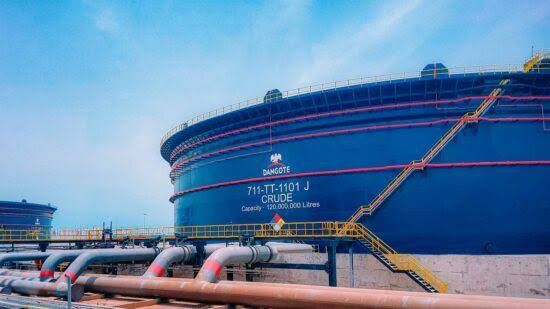
Africa’s largest oil refinery, the Dangote Petroleum Refinery, has issued a strong warning to petroleum marketers following the alarming rise in leaking tanker trucks arriving at its loading gantries.
The move marks the refinery’s most decisive stance yet on what it describes as a “major and escalating safety threat” to its multibillion-dollar operations.
In an internal memo circulated to marketers and sighted by our correspondent, the refinery said it had been forced to adopt tougher sanctions after observing a “disturbingly high” number of poorly maintained tankers arriving with cracked valves, loose fittings, and dripping petroleum products.
These faults, according to the refinery, pose an immediate danger to staff, infrastructure, and other vehicles within the facility.
The refinery’s Group Commercial Operations Department noted that despite repeated warnings, safety advisories, and fines, the situation had not improved.
Instead, the number of leaking and substandard trucks had reportedly increased, prompting fresh directives aimed at protecting both human life and refinery assets.
Escalating Risk Triggers Zero-Tolerance Measures
According to the circular, tanker trucks exhibiting signs of leakage will no longer be permitted to load products.
Beyond fines—which the refinery described as insufficient deterrents—marketers whose trucks violate the rules now face temporary suspension from all loading activities at the refinery.
“It has been observed that the number of leaking trucks arriving at the gantry remains high, despite the repeated warnings and the fines imposed on each truck,” the memo stated.
“This trend portends great danger to the entire refinery and will no longer be tolerated.”
Effective immediately, trucks arriving with visible leaks will be denied service, fined, and subjected to sanctions that may include a ban from the refinery’s operational premises for a specified period.
These new rules reflect a zero-tolerance approach by the Dangote Refinery’s management as it moves to enforce compliance within the petroleum distribution chain.
The refinery added that the measures were not punitive but necessary to “protect the facility from any danger” and ensure operational integrity.
Marketers were urged to ensure only well-maintained, mechanically sound, and fully compliant trucks are deployed for product lifting.
A Persistent Problem in Nigeria’s Petroleum Distribution System
The Dangote Refinery’s warning underscores a longstanding problem within Nigeria’s petroleum distribution ecosystem.
For years, regulators and safety agencies have raised concerns over the deteriorating condition of tanker fleets used to transport petroleum products across the country.
Many trucks on Nigerian highways are decades old, poorly maintained, and often lack the basic safety fittings required to transport flammable substances.
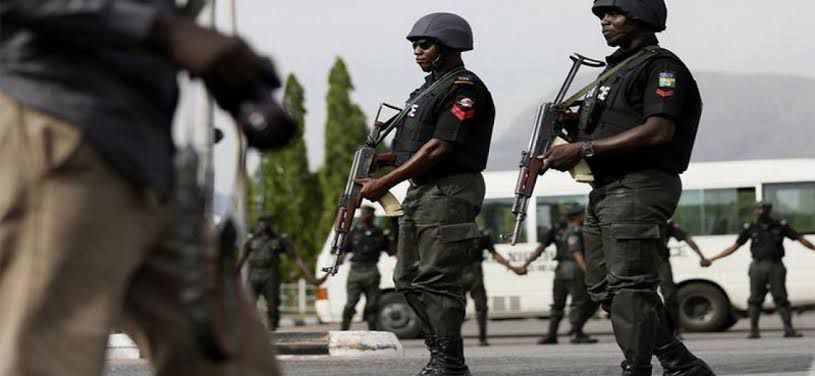
Despite periodic clampdowns by agencies such as the Nigerian Midstream and Downstream Petroleum Regulatory Authority (NMDPRA), enforcement gaps remain widespread.
Industry analysts say the persistence of unsafe tanker operations is largely due to weak regulation, high operational costs, and the reluctance of some marketers to invest in upgraded fleets.
As a result, dilapidated tankers continue to pose threats at depots, on the road, and now within high-risk industrial facilities such as refineries.
The Human and Economic Cost of Unsafe Tankers
Nigeria’s tanker safety crisis has resulted in some of the nation’s deadliest industrial and road accidents.
Data from the Federal Road Safety Corps (FRSC) show that between January 2020 and January 2025, at least 80 tanker explosions occurred nationwide, causing 555 deaths and injuring hundreds more.
A broader assessment by the National Emergency Management Agency (NEMA) shows that over 100 tanker accidents have claimed more than 1,500 lives in the last decade alone.
These tragedies often result from tanker collisions, overturning on highways, or ruptured valves that leak fuel and trigger fires.
Some of the most devastating incidents occurred in the last two years.
In October 2024, a tanker explosion in Jigawa State killed over 150 people.
In January 2025, another tanker overturned and exploded near Dikko, Niger State, killing 86 individuals—many of whom died while attempting to scoop fuel, a dangerous practice that frequently turns accidents into mass-casualty events.
According to FRSC statistics, 411 Nigerians died in 2024 alone while scooping fuel from fallen tankers.
These preventable deaths illustrate the multifaceted dangers associated with poorly maintained fuel trucks—from mechanical failures to the risky behavior of bystanders.
Refinery’s Tougher Measures Could Reset Industry Standards
Stakeholders say the Dangote Refinery’s latest directive could mark a turning point for Nigeria’s petroleum logistics sector.
Because the refinery is now one of the country’s primary suppliers of refined petroleum products, its operational rules are expected to influence compliance practices across the industry.
Transportation analysts note that stringent enforcement by the refinery may compel marketers to overhaul their tanker fleets, improve maintenance culture, and adhere more strictly to safety procedures.
If implemented consistently, the refinery’s sanctions could help reduce tanker-related accidents both inside refinery premises and on Nigerian highways.
By insisting that marketers present “only good and healthy trucks” for loading, the refinery is effectively raising the standards for petroleum logistics nationwide.
The move also aligns with the facility’s risk-management strategy, given that a single fire incident at a multi-billion-dollar facility could lead to catastrophic losses.
Regulators May Face Added Pressure
The Dangote Refinery’s stance could increase pressure on regulatory agencies to strengthen their own monitoring efforts.
The NMDPRA and FRSC may be compelled to intensify nationwide inspections, enforce minimum safety standards, and impose sanctions on marketers who continue to deploy unsafe tankers.
Industry observers argue that collaboration between the refinery, regulators, and tanker owners’ unions is essential to achieving long-term safety improvements in the petroleum transportation network.
Dangote Refinery’s decision to clamp down on leaking tankers represents a bold step in addressing the country’s tanker safety crisis.
With Nigeria battling frequent tanker explosions, rising casualties, and widespread use of ageing fleets, the refinery’s new rules could initiate a much-needed overhaul in petroleum logistics.
For marketers, the message is clear: only fully compliant, mechanically sound trucks will be allowed at the refinery.
For the wider industry, it signals a shift toward stricter operational standards that could ultimately save lives, protect infrastructure, and strengthen the country’s supply chain.