

Critical Minerals Mining Faces Growing Scrutiny Across Europe
Critical Minerals Mining is at the center of an escalating debate across Europe as environmental groups, water experts and community advocates warn that new mining projects could place additional pressure on regions already struggling with drought and water scarcity.
The controversy comes as the European Commission moves to accelerate the development of strategic mineral projects considered essential for electric vehicles, renewable energy systems, artificial intelligence infrastructure and defence technologies. While supporters argue that Europe must secure its own supply of critical raw materials, critics fear the environmental cost could be severe.
Experts warn that many of the proposed projects are located in areas already experiencing declining water reserves. They argue that weakening existing safeguards could expose rivers, aquifers and local communities to long-term risks at a time when climate change is intensifying drought conditions across the continent.
The growing dispute highlights a broader challenge facing policymakers: how to balance economic competitiveness, energy security and industrial independence with environmental protection and sustainable water management.
Why Critical Minerals Matter to Europe’s Future
The race for critical minerals has intensified globally over the last decade. Governments are increasingly competing for access to resources such as lithium, cobalt, graphite and rare earth elements, which are essential components of modern technologies.
These minerals are indispensable for batteries, renewable energy storage systems, electric vehicles and advanced manufacturing. Demand has surged as countries pursue ambitious clean-energy goals while simultaneously expanding digital infrastructure and artificial intelligence capabilities.
European policymakers have expressed concern about the bloc’s heavy dependence on imported minerals. Much of the world’s supply currently originates from a limited number of countries, creating potential vulnerabilities in supply chains.
To address these concerns, European authorities have identified dozens of mining, processing and recycling projects as strategically important. These projects are expected to receive accelerated permitting procedures and enhanced political support to ensure Europe can meet future industrial demand.
Concerns Over Water-Stressed Regions
Despite the economic rationale behind the projects, environmental campaigners have raised serious concerns regarding their location.
Mining operations require substantial amounts of water for mineral extraction, processing, dust control, waste management and operational maintenance. Although modern facilities often recycle water, experts note that significant quantities are still needed throughout the life cycle of a mine.
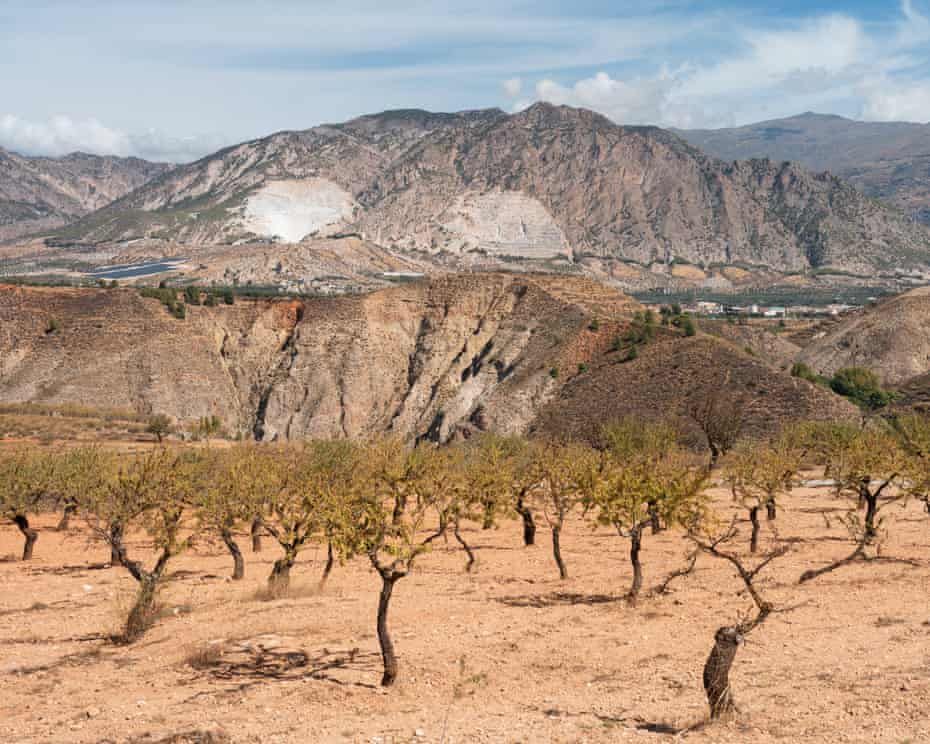
Analysis of proposed projects indicates that many are located in regions that have experienced worsening drought conditions over the past two decades. Several planned operations are concentrated in southern European countries where water scarcity has become an increasingly urgent issue.
Spain, Portugal and Greece have faced recurring drought emergencies in recent years. Reservoir levels have fluctuated dramatically, agricultural communities have struggled with water shortages and governments have introduced restrictions on water usage during particularly severe dry periods.
Environmental advocates argue that introducing additional industrial water demand into these regions could intensify existing pressures on already vulnerable ecosystems and local water supplies.
Critics Warn Against Weakening Environmental Safeguards
The debate has intensified further following proposals to review Europe’s flagship water protection framework.
Environmental organizations fear that changes to the legislation could reduce barriers designed to protect rivers, wetlands and groundwater resources from degradation. They argue that such protections were established specifically to prevent long-term environmental damage.
Sara Johansson, a water policy manager at the European Environmental Bureau, strongly criticized the proposals, saying the mining industry had “not presented a shred of evidence” that existing water regulations were creating major obstacles for mining development.
According to Johansson, reducing safeguards could shift environmental and financial burdens onto communities, taxpayers and agricultural producers that depend heavily on reliable water resources.
Critics contend that water protection regulations are not bureaucratic obstacles but essential tools for ensuring sustainable development and preventing irreversible environmental harm.
Industry and European Commission Defend the Projects
Supporters of the mining initiatives reject suggestions that strategic projects will undermine environmental protection.
Industry representatives maintain that modern mining practices incorporate advanced environmental monitoring systems, water recycling technologies and strict compliance requirements designed to minimize impacts on surrounding ecosystems.
Mining companies involved in the projects emphasize that environmental assessments and regulatory reviews remain mandatory before development can proceed. They argue that innovation has significantly improved the industry’s ability to manage water resources responsibly.
The European Commission has also defended its approach. Officials maintain that strategic projects were assessed by independent experts and will remain subject to European environmental standards and national oversight mechanisms.
Commission representatives have stated that any review of water regulations will seek to improve access to critical raw materials while continuing to protect public health and environmental quality.
Experts Compare the Risks to ‘Russian Roulette’
Some independent experts remain unconvinced that existing safeguards should be relaxed.
Professor Kaveh Madani of the United Nations University Institute for Water, Environment and Health warned that removing protections could create unintended consequences with lasting impacts.
Madani described the approach as “a form of Russian roulette,” arguing that short-term economic benefits could be outweighed by long-term environmental damage if projects are poorly managed or located in sensitive areas.
He stressed that harm to rivers, groundwater reserves and ecosystems can persist for decades and may prove extremely difficult or impossible to reverse.
His comments reflect growing concern among scientists who believe climate change is already placing unprecedented pressure on Europe’s water resources.
Read also: Lebanon ceasefire agreed as US-Iran talks postponed following deadly border escalation
The Wider Economic and Environmental Debate
The dispute over Critical Minerals Mining represents a broader global dilemma.
On one hand, governments face increasing pressure to secure materials necessary for clean-energy transitions and technological advancement. Delays in developing mineral supplies could hinder efforts to reduce carbon emissions and strengthen industrial competitiveness.
On the other hand, environmental organizations argue that sustainability cannot be achieved by sacrificing water security and ecological resilience. They insist that the transition to greener technologies must not create new environmental crises.
The challenge for policymakers is finding a path that addresses both objectives simultaneously. Achieving this balance will likely require stronger environmental oversight, investment in water-efficient technologies and careful site selection for future projects.
As Europe seeks to reduce dependence on foreign mineral supplies, the debate surrounding water-stressed regions is expected to intensify. Decisions made today could shape not only the continent’s industrial future but also the long-term health of its rivers, aquifers and communities.
With demand for critical raw materials projected to rise sharply in coming decades, the question facing Europe is no longer whether mining will expand, but how that expansion can occur without undermining the natural resources upon which millions of people depend.

