

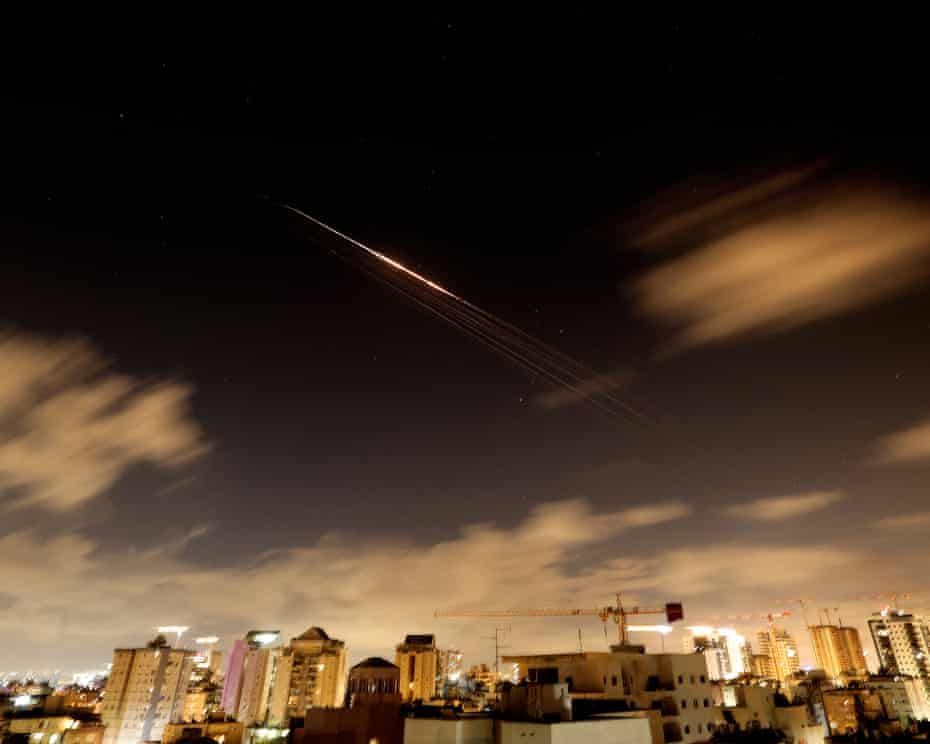
Russia supplying drones to Iran is raising alarm among European intelligence agencies, which warn that the development could significantly intensify the ongoing conflict involving the United States and Israel.
European officials say Russia supplying drones to Iran marks a potentially dangerous turning point, as it would represent the first confirmed instance of lethal military support from Moscow in this conflict.
Intelligence assessments across Europe indicate that Russia is nearing completion of phased deliveries that include drones, humanitarian supplies, and logistical assistance to Iran.
Officials speaking anonymously revealed that Moscow has already expanded intelligence-sharing efforts with Tehran, helping identify potential targets linked to United States forces stationed across the Middle East region.
The anticipated drone shipments are believed to include explosive-laden unmanned aerial vehicles capable of striking strategic and military targets, significantly enhancing Iran’s operational capabilities in the ongoing hostilities.
Reports suggest discussions between Russian and Iranian officials began shortly after joint military strikes by the United States and Israel targeted Tehran in late February, escalating regional tensions dramatically.
According to intelligence sources, the delivery timeline could see drones reaching Iran within days, potentially altering battlefield dynamics and increasing risks of further escalation across neighboring countries.
The Kremlin has publicly dismissed the allegations, with spokesperson Dmitry Peskov describing such claims as misinformation while confirming ongoing diplomatic engagement between Moscow and Tehran leadership.
Despite denials, analysts argue that existing cooperation agreements between Russia and Iran make such military collaboration plausible, especially amid shifting global alliances and geopolitical rivalries.
The two nations formalized a strategic partnership agreement last year, strengthening cooperation in defense, trade, and regional security, which now appears to be expanding into active wartime collaboration.
Russia has already delivered significant humanitarian aid to Iran, including over 13 tonnes of medical supplies transported through neighboring regions, signaling deepening logistical coordination between both governments.
Observers warn that combining humanitarian assistance with military support could complicate international responses and blur distinctions between aid and active involvement in the conflict.
The potential deployment of drones also reflects Russia’s growing reliance on unmanned warfare technologies, many of which are based on Iranian-designed systems previously used in other conflicts.
Iran’s drone technology, particularly models derived from Shahed designs, has been widely deployed in previous regional engagements, demonstrating effectiveness in both surveillance and targeted strikes.
Military experts note that Russia has adapted similar drone designs for use in Ukraine, creating a cycle of shared technological development between the two countries.
European leaders have expressed strong concern that this collaboration could broaden the conflict beyond its current scope, drawing in additional global powers and destabilizing already fragile regions.
During a recent G7 meeting, foreign ministers pressed the United States to address Russia’s alleged involvement, emphasizing the need for coordinated international responses to prevent escalation.
Germany’s foreign minister, Johann Wadephul, accused Russian leadership of exploiting the Middle East crisis to divert attention from ongoing military actions in Ukraine.
He stated that Vladimir Putin may be strategically using the conflict as a geopolitical distraction, attempting to shift global focus away from Europe.
British foreign secretary Yvette Cooper also voiced concerns about longstanding cooperation between Russia and Iran, particularly in drone development and deployment capabilities.
She emphasized that such partnerships pose significant threats to regional stability and could undermine diplomatic efforts aimed at de-escalating tensions in the Middle East.
Iran’s response to recent attacks has included widespread drone operations targeting US-linked sites across multiple countries, demonstrating the scale and reach of its unmanned warfare strategy.
Countries affected by these strikes reportedly include Kuwait, Qatar, Bahrain, Saudi Arabia, Oman, Iraq, and the United Arab Emirates, highlighting the regional impact of the conflict.
Tehran maintains that its actions are defensive, aimed specifically at countering US military presence and protecting national sovereignty against foreign aggression.
However, critics argue that expanding drone attacks risk triggering broader military retaliation, potentially drawing additional nations into the conflict and escalating tensions further.
The involvement of Russia could significantly amplify these risks, given its military capabilities and influence within global geopolitical frameworks.
Analysts warn that if confirmed, Russia supplying drones to Iran would represent a major escalation with far-reaching consequences for international security and diplomatic relations.
The United States has not officially confirmed the intelligence findings but is reportedly monitoring developments closely alongside European allies.
Israel has also expressed concern over the possibility of advanced drone systems reaching Iranian forces, viewing it as a direct threat to its national security.
The evolving situation underscores the complex web of alliances shaping modern conflicts, where regional disputes increasingly intersect with global power struggles.
Experts suggest that diplomatic solutions may become more difficult as military cooperation between major powers deepens, reducing opportunities for negotiation and peaceful resolution.
Economic implications are also significant, with rising tensions affecting global oil markets and trade routes, particularly in strategically vital areas like the Strait of Hormuz.
Energy analysts warn that continued escalation could disrupt supply chains, leading to increased prices and economic instability in both regional and global markets.
Humanitarian concerns are growing as well, with ongoing conflict exacerbating displacement, infrastructure damage, and civilian casualties across affected regions.
International organizations have called for restraint from all parties, urging renewed diplomatic efforts to prevent further deterioration of the situation.
Despite these calls, the pace of developments suggests that military considerations continue to dominate decision-making processes among key actors.
Russia’s potential role in supplying drones highlights shifting dynamics in global conflicts, where alliances are increasingly fluid and driven by strategic interests.
Read also: US military says IRGC navy commander killed in Israeli strike
The situation remains highly volatile, with new intelligence and political developments likely to shape the trajectory of the conflict in the coming weeks.
Observers stress the importance of transparency and verification in assessing claims, given the prevalence of misinformation in modern geopolitical disputes.
As tensions rise, the international community faces mounting pressure to respond effectively, balancing deterrence with diplomatic engagement to prevent wider escalation.
The coming days will be critical in determining whether Russia supplying drones to Iran becomes a confirmed reality or remains a contested claim within an already complex conflict.
About The Author
