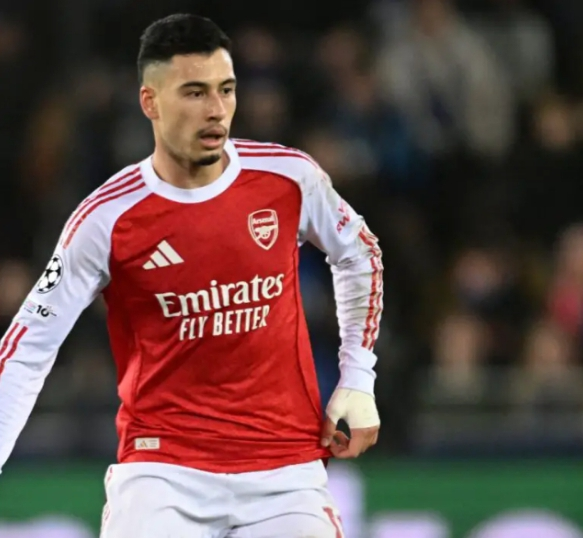
City Resilience at the Bernabéu powered Manchester City to a 2–1 comeback win over Real Madrid, showcasing grit, discipline, and elite mentality in a fierce Champions League battle.
Manchester City delivered one of their most composed European performances in recent years, showing remarkable City Resilience at the Bernabéu as they overturned an early deficit to defeat Real Madrid 2–1 in a pulsating Champions League showdown. Against a hostile Santiago Bernabéu crowd and a high-pressing Madrid side, Pep Guardiola’s men displayed grit, maturity, and tactical authority, transforming what looked like a difficult night into a statement victory. This match did more than secure three vital points—it reinforced the growing narrative of City Resilience at the Bernabéu shaping their continental ambitions.

Real Madrid began the contest with the confidence expected of a team playing at home in one of football’s most intimidating arenas. They controlled early possession and forced City to defend deep, creating chances through quick transitions. Their persistence paid off when Rodrygo broke free on a counter-attack and sent a low strike into the bottom corner, giving Madrid a deserved 1–0 lead after a defensive lapse from Manchester City. The Bernabéu erupted, sensing that the English champions might crumble under pressure.
But instead of folding, City responded with the calmness and character that have defined their modern identity. Their equalizer came from a well-rehearsed set piece: Josko Gvardiol met a corner with a powerful header, Thibaut Courtois spilled it, and Nico O’Reilly reacted brilliantly to slot home the rebound. The moment not only silenced the Madrid fans but showcased the first visible spark of City Resilience at the Bernabéu—a refusal to let the environment dictate the outcome.
Just minutes later, Manchester City completed a rapid turnaround. Antonio Rüdiger clattered into Erling Haaland inside the penalty area, and after a VAR review, the referee pointed to the spot. Haaland stepped up with ice-cold confidence and smashed the penalty beyond Courtois, recording his first goal at the Bernabéu. City went into halftime leading 2–1, much to Madrid’s frustration and surprise.
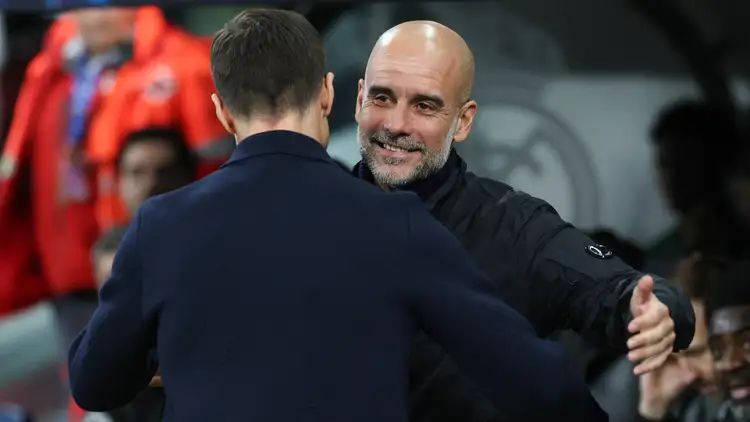
The second half was a tactical battle. Real Madrid pressed aggressively, searching for a way back into the match, while Manchester City tightened their defensive structure. Guardiola’s instructions were clear: maintain shape, control midfield transitions, and frustrate Madrid’s attackers. Phil Foden and Bernardo Silva worked relentlessly, pressing Madrid’s build-up while helping City recycle possession during key phases.
Meanwhile, City’s defence—anchored by Ruben Dias and Gvardiol—blocked shots, won aerial duels, and cleared dangerous deliveries. Madrid’s best chance came when Endrick struck the post late in the match, but the visitors held firm. Every successful tackle, interception, and clearance reinforced the theme of City Resilience at the Bernabéu, as City protected their lead with disciplined bravery.
Guardiola’s post-match comments reflected the magnitude of the performance. He praised the team’s composure after conceding early and highlighted how vital mentality is in such fixtures. While acknowledging imperfections, he described the win as a product of collective belief and tactical application. It was the kind of match where elite clubs prove why they belong at the top.
Erling Haaland’s contribution was especially significant. His penalty wasn’t just a goal—it was a symbol of leadership in crucial Champions League moments. Nico O’Reilly’s goal, meanwhile, highlighted City’s depth and the emergence of young players capable of delivering under pressure. Performances like these expand the club’s tactical flexibility and underline their readiness for the challenges ahead.
Real Madrid will look back on the match with regret. They had strong spells of dominance but lacked sharpness in the final third. Their inability to make pressure count, coupled with defensive errors, ultimately cost them. While Madrid remain a formidable force, this match exposed flaws that must be addressed if they hope to advance deep into the competition.
For Manchester City, the victory strengthens their position in the Champions League standings and builds momentum toward the knockout stages. But beyond the tactical and statistical benefits, this match will be remembered for what it revealed about the champions of England: the ability to absorb pressure, respond intelligently, and seize control of difficult moments. That is the essence of City Resilience at the Bernabéu, a theme that ran through every phase of their performance.
In the broader European context, the win reinforces City’s identity as one of the most psychologically strong teams in world football. They no longer just out-play opponents—they out-think and out-last them. The Bernabéu is one of the toughest away grounds in Europe, yet City showed comfort, courage, and conviction. Their maturity under pressure was the foundation of the result.
In conclusion, Manchester City’s 2–1 comeback victory over Real Madrid was more than a tactical triumph—it was a demonstration of the grit and competitive spirit required to succeed at the highest level. Through smart adjustments, collective discipline, and the unmistakable City Resilience at the Bernabéu, Guardiola’s side sent a powerful message to Europe: they are not only skilled but mentally unshakeable. And in Champions League football, that combination is often what separates contenders from champions.
Read more news at: ireport247news.com
About The Author