

China suspends Japanese film releases as tensions with Tokyo escalate over Taiwan, prompting renewed cultural, political, and economic friction while officials on both sides attempt to stabilise rapidly deteriorating relations.
Chinese distributors halted upcoming Japanese anime premieres in response to Japanese Prime Minister Sanae Takaichi’s remarks about potential military intervention should China attempt asserting control over Taiwan.
The sudden disruption reflects worsening cross-strait sensitivities, as Beijing insists foreign governments avoid actions challenging its sovereignty or supporting what it calls separatist tendencies surrounding Taiwan’s political future.
State broadcaster CCTV described the postponement decision as “prudent,” citing market conditions, audience sentiment, and heightened geopolitical anxieties that have influenced Chinese perceptions of Japanese cultural products.
Executives involved in distribution said provocative rhetoric from Tokyo undermined public appetite, increasing financial risks associated with theatrical releases and threatening long-term profitability within China’s movie market.
Economic coercion specialist Naoise McDonagh noted the move aligned with China’s pattern of symbolic pressure, targeting non-essential imports to impose costs without disrupting its broader domestic economic stability.
He added that cultural industries often become frontline tools for signalling displeasure, enabling Beijing to warn governments perceived as crossing established red lines, including sensitive sovereignty matters involving Taiwan.

The freeze also coincides with Beijing’s advisory warning Chinese citizens against travelling to Japan, another sign of deepening distrust following Takaichi’s comments on Taiwan-related military scenarios.
Tokyo then issued its own advisory for citizens in China, urging caution in crowded areas, respect for local customs, and heightened awareness due to the evolving diplomatic climate.
Japanese Chief Cabinet Secretary Minoru Kihara told reporters that advisories were updated strictly according to “social situations,” denying political motivations while acknowledging growing strain with Beijing.
China suspends Japanese film releases amid broader retaliatory measures, including warship deployments near the disputed Senkaku Islands, long a flashpoint in bilateral relations and symbolic sovereignty competition.
The Senkaku Islands dispute continues influencing maritime strategy, with both nations dispatching vessels to assert control, heighten visibility, and reinforce territorial claims amid global attention on Asian security.
As the film controversy intensified, senior Japanese diplomat Masaaki Kanai met Chinese counterpart Liu Jinsong in Beijing, attempting to reopen dialogue channels strained by the escalating diplomatic confrontation.
Kihara reiterated Japan’s openness to engagement after Beijing announced Chinese Premier Li Qiang would not meet Takaichi at the upcoming G20 summit in South Africa, signalling continued diplomatic frost.
Analysts say cancellations in cultural exchanges are particularly visible acts of state displeasure, resonating with domestic audiences while reminding foreign governments of China’s leverage over global entertainment markets.
Many Japanese studios rely heavily on Chinese theatrical revenues, making disruptions costly and potentially altering long-term investment strategies linked to animation, merchandising, and international distribution.
Within China, nationalistic commentary surged on social platforms, with users celebrating the suspension and urging authorities to intensify economic pressure until Japan retracts its statements on Taiwan.
However, some Chinese commentators warned that limiting cultural imports reduces domestic film variety and harms consumers more than policymakers, calling for diplomatic calm rather than escalating cultural retaliation.
Industry figures in Japan expressed disappointment, noting that anime releases rarely intersect with geopolitical matters and should be insulated from disputes unrelated to artistic or commercial considerations.
Film analysts predict significant financial setbacks, particularly for franchises like Crayon Shin-chan and Cells at Work!, whose Chinese market performance often determines future production and distribution budgets.
China suspends Japanese film releases at a time when cultural cooperation had been recovering post-pandemic, raising concerns among investors about renewed unpredictability in China’s increasingly politicised entertainment sector.
Meanwhile, Beijing continues demanding that all nations respect its position on Taiwan as a prerequisite for stable diplomatic relations, echoing longstanding policy tied to its sovereignty narrative.
Japan views China’s Taiwan stance with caution, emphasising the island’s strategic location near critical shipping lanes transporting vast volumes of trade essential to Japan’s economic survival.
Security experts argue Japan fears potential conflict around Taiwan could threaten maritime routes, destabilise Asia, and undermine international confidence in regional commerce and defence cooperation.
Although China maintains that cross-strait reunification is inevitable, Tokyo insists unilateral changes to the status quo pose unacceptable risks, prompting stronger diplomatic and military alignment with partners.
Diplomats on both sides acknowledge the urgent need for dialogue to prevent miscalculations, particularly amid a changing global environment where Asian power balances are shifting rapidly.
Cultural tensions historically flare during political disputes, including previous cases where China halted South Korean entertainment imports or restricted Western films following diplomatic disagreements.
Observers now warn the latest freeze may persist unless Tokyo’s rhetoric softens or Beijing recalibrates its response, though neither government appears eager to compromise publicly.
Business leaders in both countries urge restraint, highlighting interdependence in manufacturing, technology, tourism, and creative industries, which collectively generate billions of dollars in bilateral economic activity.
Experts argue disengagement in the cultural sphere risks deepening misunderstandings between Chinese and Japanese citizens, weakening people-to-people connections that often outlast political disputes.
China suspends Japanese film releases for now, but analysts believe both nations may eventually restore cultural channels once political tensions stabilise and economic considerations return to the forefront.
Despite rising nationalism, surveys show many citizens in both countries enjoy each other’s films, food, fashion, and entertainment, underscoring the resilience of cultural exchange even amid diplomatic crises.
Ultimately, the suspended anime releases mark another chapter in the China-Japan rivalry, illustrating how cultural decisions increasingly serve as instruments for geopolitical signalling in Asia’s volatile environment.
Whether the pause becomes permanent depends on upcoming diplomatic engagements, including efforts at the G20 summit and ongoing consultations between regional security and foreign policy officials.
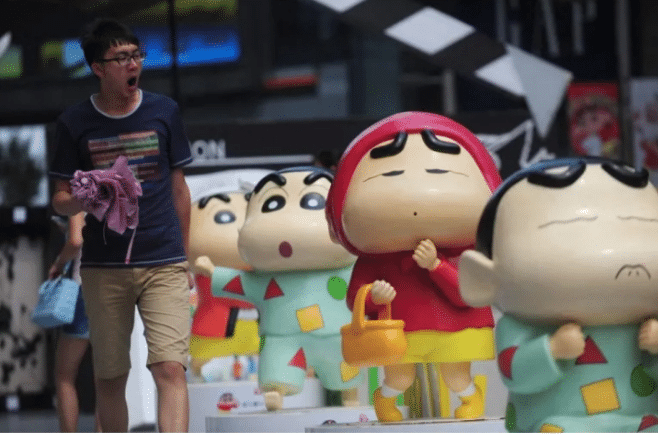
For now, China suspends Japanese film releases as a symbolic yet consequential move, intensifying a dispute whose outcomes may shape future Asian political and cultural dynamics.
Read more: Ireport247news
About The Author


