Chileans head to the polls in a tense Chile presidential vote, deciding whether the country continues a leftist trajectory or swings sharply toward the far-right Republican Party.
The main contenders in the Chile presidential vote are Jeannette Jara of the Communist Party and Jose Antonio Kast of the far-right Republican Party.
Mandatory voting has increased participation pressure, making this Chile elections one of the most significant in decades, with over 15 million registered voters expected to cast ballots.
Security concerns dominate discussions during the Chile presidential runoff, as rising gang activity, kidnappings, and extortion push crime to the forefront of voter priorities nationwide.
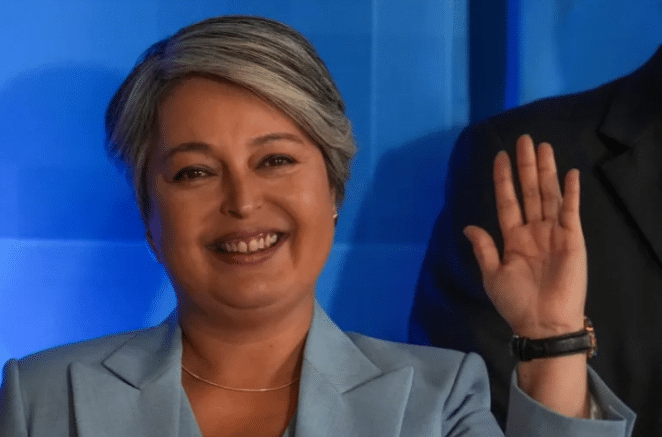
Jose Antonio Kast has promised drastic action in the Chile presidential runoff, including deportations of undocumented immigrants and stronger border enforcement to combat crime and illegal migration.
Jeannette Jara, representing the governing leftist coalition, focuses on social reforms, education, and healthcare, contrasting Kast’s hardline approach in this pivotal Chile presidential election.
Polls indicate that no candidate will secure a first-round majority in the Chile presidential election, making a run-off likely on December 14, intensifying campaign efforts.
President Gabriel Boric, barred from a second consecutive term, has overseen a homicide decrease, but voters remain focused on public safety during the Chile presidential vote.
Rising crime linked to gang migration from Venezuela and neighboring countries fuels debates on border security and immigration policies in the context of the Chile presidential vote.
Kast issued an ultimatum to undocumented immigrants, signaling tough policies during the Chile presidential vote and promising property confiscation for those who fail to self-deport.
Jara’s campaign stresses inclusion, equality, and social justice, offering a vision for Chile’s future that contrasts with Kast’s focus on punitive measures during the Chile presidential vote.
The Chilean Congress is also critical in this election, as all 155 Chamber of Deputies seats and 23 Senate seats are contested alongside the Chile presidential vote.
Current minority control by the leftist coalition highlights how the Chile presidential vote and congressional races together determine the government’s ability to pass legislation.
Voter turnout in the Chile presidential vote is expected to surpass past elections due to mandatory participation, reducing abstention rates that previously exceeded 50 percent in early rounds.
Crime rates, though slightly improved, dominate the Chile presidential vote narrative, giving Kast momentum among citizens prioritizing strict law enforcement and security reforms.
Campaign debates have been heated, with candidates addressing security, social policies, and economic challenges, drawing national attention to the Chile presidential election’s importance.
Jara’s urban and younger voter support contrasts with Kast’s appeal in rural areas and older demographics, defining a split electorate during the Chile presidential election.
Economic concerns, including inflation, unemployment, and inequality, remain central to voter decisions in the Chile presidential vote, influencing perceptions of the governing coalition’s effectiveness.
Chile’s political landscape is polarized, with voters closely monitoring the Chile presidential vote and concurrent congressional races for potential shifts in governance.
Regional analysts note that the Chile presidential election could signal trends across Latin America, as Chile’s outcome may influence neighboring nations’ political directions.
Social media campaigns and disinformation have shaped voter opinions during the Chile presidential vote, with candidates utilizing digital strategies to engage supporters and undecided voters.
Kast’s “iron fist” policies mirror Trump-era rhetoric, appealing to those concerned about crime and migration, while Jara counters with messages of dialogue and reform during the Chile presidential vote.
The final campaign days are critical in the Chile presidential election with candidates intensifying efforts to sway undecided voters and solidify support amid high polarization.
Chileans’ choice in the Chile presidential vote will impact domestic policies, social programs, and foreign relations, reflecting broader debates over the country’s political and economic direction.
Observers predict a highly contested run-off in the Chile presidential election, with congressional control influencing legislative cooperation and the feasibility of either candidate’s policy agenda.
Election authorities have emphasized transparency and security measures to ensure voters can participate safely, maintaining confidence in the Chile presidential election despite tense public sentiment.

Regardless of the outcome, the Chile elections represents a pivotal moment, highlighting societal divisions, evolving political dynamics, and competing visions for the country’s future.
About The Author