The CBN dual connectivity policy mandates PoS operators to link with NIBSS and UPSL to reduce transaction failures, boost payment reliability, and strengthen Nigeria’s digital economy.
The Central Bank of Nigeria (CBN) has introduced a major reform aimed at improving the reliability of point-of-sale (PoS) transactions across the country.
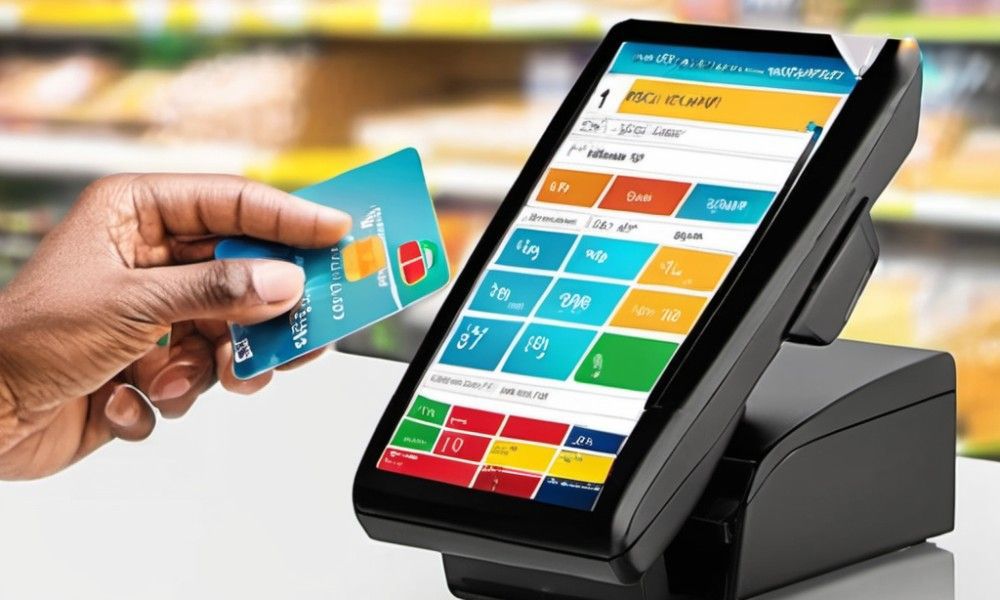
Under a new directive, all players involved in electronic payment processing are required to implement a dual connectivity framework within a strict one-month deadline.
This move, widely regarded as a proactive step toward strengthening Nigeria’s payment infrastructure, is designed to significantly reduce transaction failures, system downtime, and service disruptions that have frustrated businesses and consumers alike.
At the heart of the reform is the CBN dual connectivity policy, which compels acquirers, processors, and Payment Terminal Service Providers (PTSPs) to maintain simultaneous connections with the nation’s two licensed Payments Terminal Service Aggregators.
The directive was communicated through a circular dated December 11, 2025, and signed by Rakiya Yusuf, Director of the Payments System Supervision Department at the apex bank.
According to the circular, all affected operators must establish and sustain active connectivity with both the Nigeria Inter-Bank Settlement System (NIBSS) and Unified Payment Services Limited (UPSL).
By enforcing the CBN dual connectivity policy, the regulator seeks to eliminate single points of failure within the transaction processing chain.
Historically, outages on a single aggregator’s platform often resulted in widespread transaction failures, leaving merchants unable to receive payments and customers stranded during peak business hours.
A core component of the new requirement is the integration of transaction routing systems with both payment aggregators.
The CBN insists that routing infrastructure must be capable of switching automatically between NIBSS and UPSL whenever one platform experiences downtime or performance issues.
This seamless failover arrangement ensures that PoS transactions continue uninterrupted, even during technical disruptions.
The apex bank believes this approach will enhance consumer confidence in electronic payments while reducing cash dependency, particularly in high-volume retail and service environments.
Industry experts say the CBN dual connectivity policy aligns Nigeria’s payment system with global best practices, where redundancy and resilience are standard features of modern financial infrastructure.
Beyond infrastructure integration, the CBN has placed strong emphasis on ongoing testing and validation.
The directive mandates NIBSS and UPSL, in collaboration with regulated financial institutions, to conduct periodic system tests.
These tests are intended to assess redundancy efficiency, validate failover mechanisms, and confirm the overall robustness of the payment ecosystem.
Regular stress testing, according to the regulator, will help identify vulnerabilities early and prevent prolonged disruptions that could undermine trust in digital payments.
By institutionalising these tests, the CBN dual connectivity policy aims to ensure that redundancy measures are not merely theoretical but operationally effective under real-world conditions.
The circular also strengthens incident reporting obligations for payment aggregators.
Both NIBSS and UPSL are now required to promptly notify the CBN of any service disruption or system downtime affecting their platforms.
Such notification must be made within 24 hours of the incident and must include detailed information on the nature of the problem, its root causes, and the remedial actions taken.
This enhanced transparency allows the regulator to monitor system health more closely and intervene where necessary.
According to the CBN, timely reporting is essential to maintaining accountability and ensuring continuous improvement across the payment value chain under the CBN dual connectivity policy.
The apex bank made it clear that compliance is not optional. All regulated financial institutions, acquirers, processors, and PTSPs are required to fully implement the directive within one month from the date of issuance.
Failure to comply could attract regulatory sanctions, although the CBN did not specify penalties in the circular.
Nonetheless, industry analysts expect operators to prioritise compliance, given the potential reputational and operational risks of non-adherence.
The policy is expected to particularly benefit small and medium-sized businesses that rely heavily on PoS terminals for daily transactions, as reduced downtime directly translates to improved revenue stability.
The introduction of the CBN dual connectivity policy is widely seen as a strategic move to deepen Nigeria’s cashless economy agenda.
Reliable payment systems are a critical foundation for digital commerce, financial inclusion, and economic growth.
By ensuring that PoS transactions remain functional even during technical challenges, the CBN is reinforcing public trust in electronic payments.
This trust is essential for encouraging wider adoption of digital financial services, especially among previously underserved populations.
In the long term, stakeholders believe the policy will foster innovation, improve service quality, and position Nigeria’s payment ecosystem as one of the most resilient in Africa.
Ireport247news
About The Author