Russia threatens UK after reports that Ukraine used British-made drones in deep strikes against Russian targets, prompting Prime Minister Andy Burnham to reaffirm Britain’s unwavering support for Kyiv.
Burnham Rejects Moscow’s Warning
Andy Burnham has responded firmly after Russia threatens UK, insisting Britain will continue supporting Ukraine despite Moscow’s warning that deeper involvement could carry serious consequences for London.
Speaking during a visit to Wolverhampton on Tuesday, Burnham said Britain remained committed to helping Ukraine defend itself against Russia’s invasion, despite the latest escalation.
“This is the UK doing what it has long said it would do,” Burnham said, defending Britain’s longstanding military and political support for Kyiv.
He added that Britain would continue supporting Ukraine “100%” against what he described as an illegal war led by Russian President Vladimir Putin.
Burnham further stressed that Britain would not abandon Ukraine during the conflict, describing the country as a reliable ally during Kyiv’s most difficult period.
“We are not fair-weather friends,” Burnham said, making clear that Moscow’s latest warning would not persuade Britain to withdraw its support for Ukraine.
His comments came after Russia’s embassy in London accused Britain of deliberately escalating the conflict by supporting Ukrainian military operations against targets inside Russian territory.
Russia Issues Fresh Warning
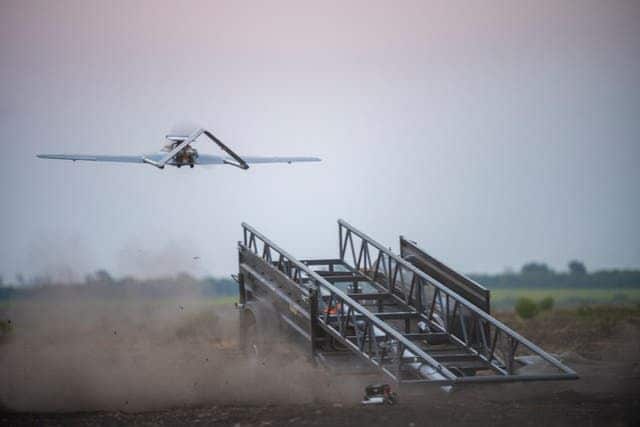
The Russian embassy warned that Britain would face unspecified “consequences” following reports that British-manufactured drones had been used by Ukrainian forces during recent deep-strike operations.
Moscow accused London of seeking to contain Russia and inflict maximum damage through Ukraine, portraying Britain’s military assistance as evidence of growing Western involvement.
“The deeper its involvement in the conflict and the greater its support,” the Russian embassy said, “the higher the price it will pay.”
The warning represents the latest deterioration in relations between Moscow and London, which have remained sharply strained since Russia launched its full-scale invasion of Ukraine.
Russia has repeatedly criticised Britain for supplying weapons and military equipment to Kyiv, arguing that Western assistance increasingly contributes directly to attacks against Russian territory.
Britain, however, maintains that its military support is intended to help Ukraine defend itself against Russian aggression and protect its sovereignty from further attacks.
The British Ministry of Defence reinforced that position, saying Russia should not doubt the government’s determination to oppose Russian aggression against Ukraine, Britain and its allies.
British-Made Drones Raise Tensions
The reported deployment of British-made drones forms part of Ukraine’s expanding deep-strike campaign, which increasingly targets military, energy and industrial infrastructure across Russian territory.
Kyiv has significantly increased its long-range attacks this year, using growing numbers of drones alongside missiles to strike facilities supporting Russia’s war effort.
The attacks are believed to serve strategic purposes, including disrupting Russian military production, damaging energy infrastructure and putting additional pressure on Moscow’s ability to finance its campaign.
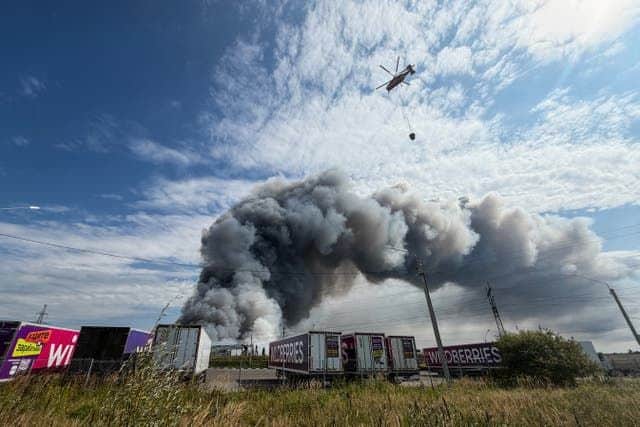
Ukraine has also targeted major commercial facilities, including warehouses belonging to Wildberries, Russia’s largest online retailer, causing substantial damage and bringing the war closer to civilians.
The reported use of British-built drones is not the first instance of British military technology being employed against Russian targets during the conflict.
Ukraine has previously used British-supplied Storm Shadow cruise missiles, meaning the latest development represents an expansion of its long-range capabilities rather than Britain’s first involvement.
Ukraine Expands Deep-Strike Campaign
Ukraine’s drone strikes on Russia have increased considerably, with data from Acled indicating that Kyiv launched three times as many such attacks in July compared with January.
The intensified campaign has forced Moscow to stretch its air-defence systems across a much larger geographical area, potentially creating vulnerabilities around strategically important Russian infrastructure.
Russia’s Defence Ministry said it had shot down 598 Ukrainian drones over 19 Russian regions, alongside areas around the Black Sea and Azov Sea.
Despite Moscow’s claims of intercepting large numbers of drones, Ukraine’s ability to repeatedly strike deep inside Russia demonstrates the increasing reach of its developing weapons technology.
Kyiv has also developed largely homegrown systems, including long-range drones and cruise missiles capable of reaching targets hundreds of miles beyond Ukraine’s internationally recognised borders.
The Guardian reported that some Ukrainian systems can reach targets as far as 1,500 miles, or approximately 2,400 kilometres, from Ukraine’s border.
Ukraine’s growing capability has allowed Kyiv to increasingly challenge Russia’s deep-strike advantage, although Moscow retains sophisticated ballistic missile systems unavailable to Ukrainian forces.
Wider War Creates New Risks
The escalating Russia-Ukraine war has increasingly extended beyond traditional frontlines, with long-range attacks exposing civilians and infrastructure to greater risks on both sides.
Russian officials said Ukrainian attacks recently killed seven people overnight, while Ukrainian authorities reported deaths following Russian strikes against communities across Ukraine.
A Russian missile attack in Ukraine’s Kharkiv region reportedly killed 10 people and injured eight others, according to regional authorities, highlighting the conflict’s continuing civilian cost.
The attacks have also placed considerable pressure on air-defence systems, with both countries attempting to protect increasingly large areas against drones and long-range missiles.
Military analysts have warned that the continued expansion of deep-strike capabilities could increase civilian casualties while making it harder for either side to shield vulnerable infrastructure.
For Ukraine, however, the strategy remains focused on imposing costs on Russia and disrupting the military and economic networks that sustain Moscow’s invasion.
Britain Stands By Kyiv
The latest confrontation has placed renewed attention on UK support for Ukraine, particularly as British-supplied equipment reportedly becomes increasingly important to Kyiv’s long-range capabilities.
London has maintained that helping Ukraine defend itself remains necessary and has shown no indication that Russia’s latest warning will change its military assistance policy.
Burnham’s response therefore represents a clear rejection of Moscow’s attempt to pressure Britain into reconsidering its position, with London reaffirming its commitment to Kyiv.
For Russia, the reported use of British-made drones adds another source of concern as Ukrainian forces demonstrate an increasingly sophisticated ability to strike targets deep inside Russian territory.
For Britain, the government continues to argue that military assistance supports Ukraine’s right to defend itself rather than constituting a declaration of war against Russia.
Read more here:Russia threatens UK over British drones used by Ukraine
The latest exchange nevertheless highlights the increasingly delicate relationship between Moscow and London as Western weapons become more closely associated with Ukraine’s long-range operations.
As Ukraine expands its deep-strike campaign, Russia faces growing pressure to protect military and economic facilities across its vast territory from increasingly sophisticated attacks.
Meanwhile, Britain appears determined to maintain its position alongside Kyiv, despite Moscow’s warning that deeper involvement in the conflict could result in consequences for London.
Burnham’s intervention consequently provides the clearest update since Russia issued its warning, with Britain signalling that threats from Moscow will not alter its commitment to Ukraine.
About The Author