British man deported from Sweden after living there since childhood has become the latest example of post Brexit immigration difficulties, despite spending 24 years building his life there since childhood.
John Sellers, 34, moved from England to Sweden with his family when he was ten, growing up within Swedish society, completing education, and eventually establishing deep personal ties there permanently.
His deportation came after years of uncertainty over his immigration status, with repeated attempts to secure legal residence ultimately rejected by Swedish authorities before his removal earlier this year again.
Sellers said Sweden remains his home, while England feels like a place he visits as a tourist, highlighting the emotional consequences of losing the country where he matured there fully.
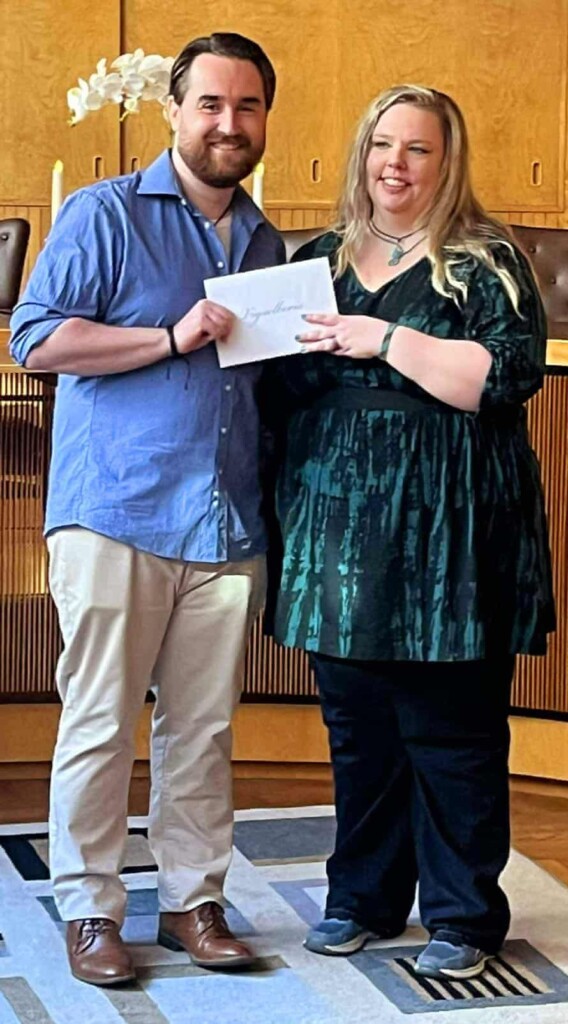
His case has attracted attention because he recently married Caroline, a Swedish citizen, and the couple hoped to continue their lives together while building a family in Gothenburg, Sweden there.
However, immigration decisions have separated them, leaving Sellers in England and his wife in Sweden as they continue efforts to overturn the decision and secure his return home today now.
Sellers said the prolonged dispute has caused emotional pain, financial pressure, and uncertainty, while preventing him from working normally and making it difficult to plan his future confidently in Britain.
Caroline has also described the situation as deeply distressing, saying the couple simply wants to live together without spending enormous amounts of money, time, and energy fighting authorities together now at present.
Brexit immigration difficulties and Sweden
The dispute reflects wider difficulties faced by some British citizens who remained in European countries after Brexit changed the immigration arrangements that had previously protected their freedom of movement today.
Sellers’ parents moved from Essex to Sweden because they valued the country’s education system and believed it offered an attractive environment in which to raise their children for them.
Under Britain’s former European Union membership, British citizens could move to Sweden under free movement arrangements, allowing families like the Sellers to establish homes without seeking immigration permission under rules legally.
After Brexit, however, British citizens living in EU countries generally needed to secure residence rights under arrangements created by the withdrawal agreement and national implementation procedures applicable thereafter in Sweden in practice.
Sellers knew Brexit could affect his future in Sweden, but he said he received no communication from authorities explaining what steps were required to protect his position before deadline fully.
Instead, he applied for Swedish citizenship in September 2021, before the relevant deadline, believing citizenship offered the strongest possible route to maintaining his connection with Sweden permanently thereafter legally.
That application was rejected, and subsequent attempts to obtain residence through family rights were also unsuccessful, including applications connected to his relationship with Caroline, now his wife, despite their relationship.
A migration court later found that Sellers and Caroline had not lived together abroad for an extended period, while other evidence presented to establish their durable relationship was considered insufficient.
The decision created another obstacle for Sellers, who had already spent decades living in Sweden and regarded Gothenburg as his permanent home rather than a temporary destination there for years.
Following three unsuccessful attempts to remain, Sellers was deported in January, but the couple has continued pursuing legal avenues and is now seeking a review using additional evidence under appeal.
The case has also become part of a broader debate about Sweden’s treatment of British nationals who missed post Brexit residence application requirements or misunderstood the new procedures entirely since Brexit.
Read also: JUST IN: Keir Starmer steps down as MP after 11 years
British citizens in Sweden face uncertainty
According to Eurostat figures cited in the report, Sweden has recorded about 2,500 orders requiring British nationals to leave since Brexit, representing one third of orders across the European Union.
Critics argue that the Swedish approach is unusually strict because late applications have generally not been accepted from people who failed to understand that formal applications were necessary under rules.
Other British citizens in Sweden have faced similar difficulties, including elderly residents who have spent decades there and now confront removal orders despite having established homes and communities for years.
One case involved Joyce Thomas, a 78 year old British widow who had lived in Sweden for 21 years before being ordered to leave, prompting political intervention and public concern.
Another British citizen, George Mason, who receives full time dementia care, was also ordered to leave but obtained a temporary stay while Swedish migration authorities examined obstacles to enforcement carefully.
The cases have prompted questions about whether Sweden’s implementation of post Brexit arrangements adequately protects long term British residents whose circumstances developed over many years and deserve consideration from authorities.
The British government has previously expressed concern about Sweden’s handling of late applications, while European officials have also reportedly been monitoring the situation as complaints continue to emerge from residents.
Sweden deportation case separates newlyweds
For Sellers and Caroline, the wider political argument has become an intensely personal struggle, because immigration decisions have separated newlyweds who expected to begin their married life together in Sweden.
Caroline said having a partner who could provide emotional and practical support had been important, making the forced separation especially difficult as she tries to rebuild her own life today.
Sellers has described the separation as devastating, saying he feels he has disappointed his wife, family, and himself while being removed from the person he considers his other half emotionally.
Despite the hardship, the couple remains determined to challenge the decision, hoping fresh evidence will persuade authorities to reconsider Sellers’ circumstances and allow him to return to Sweden eventually.
Post-Brexit residence rights under scrutiny
The Sellers case illustrates how Brexit can continue producing complicated consequences years after Britain formally left the European Union, particularly for citizens whose lives were established before the change directly.
For people who grew up elsewhere in Europe, the transition from free movement to national immigration systems can create difficult legal questions involving residence, family relationships, citizenship, and deadlines legally.

Whether Sellers ultimately returns to Sweden remains uncertain, but his case has intensified calls for greater scrutiny of how immigration rules are applied to long term British residents over time.
His experience also demonstrates that immigration decisions can affect more than an individual’s legal status, potentially disrupting marriages, careers, family plans, financial stability, and longstanding connections to a country deeply.
As political authorities examine complaints surrounding post Brexit removals, affected residents and their families are hoping that reviews will produce solutions that recognise the realities of lives built over decades.
About The Author