Nigeria’s deepwater oil production has received a boost after offshore operations resumed at one of the country’s most significant crude fields following the completion of extensive maintenance works designed to enhance operational efficiency and long-term reliability.
Energy industry stakeholders say the development underscores the strategic importance of maintaining offshore infrastructure as Nigeria seeks to stabilise production levels and attract fresh investment into its upstream petroleum sector.
The resumption of production also comes at a time when global oil markets remain volatile due to geopolitical tensions and supply concerns, factors that have pushed international crude prices higher and heightened the importance of steady output from major producing fields.
Shell restarts Bonga field after major offshore maintenance
Energy giant Shell Nigeria Exploration and Production Company Limited has confirmed that Shell restarts Bonga field after major offshore maintenance, marking the completion of a key technical operation on the facility’s floating production infrastructure.
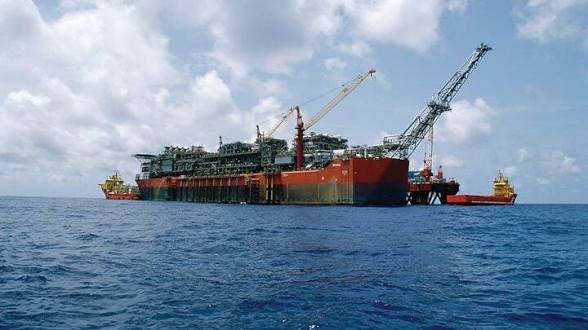
According to the company, production resumed on March 6, 2026, after engineers completed a large-scale turnaround maintenance exercise on the Bonga Field floating production, storage and offloading vessel (FPSO).
The maintenance operation began on February 1 and was concluded 11 days ahead of schedule, a development the company described as a major operational achievement.
Officials also reported that the complex offshore exercise was completed without any safety incident, highlighting the effectiveness of safety protocols and project coordination during the maintenance process.
Large Nigerian workforce drives maintenance operation
The project involved a large workforce deployed both offshore and onshore to ensure the maintenance exercise was carried out efficiently.
According to the company, more than 1,000 personnel were mobilised offshore during the maintenance programme, with over 95 per cent of them Nigerian professionals working across engineering, operations, inspection, construction and maintenance roles.
Thousands of additional workers supported the project from onshore facilities, reflecting the increasing technical capacity of Nigerian workers in the country’s oil and gas industry.
Industry analysts say the high level of local participation aligns with Nigeria’s local content policy aimed at strengthening domestic expertise and increasing indigenous participation in energy sector projects.
Shell highlights role of local contractors
The Managing Director of Shell Nigeria Exploration and Production Company Limited, Ronald Adams, said the successful completion of the maintenance programme demonstrates the dedication and expertise of the workforce involved.
He noted that the project involved collaboration between numerous service providers across the energy value chain.
According to Adams, 55 companies participated in the maintenance operation, including 43 wholly Nigerian firms, highlighting the growing role of indigenous contractors in offshore energy projects.
He also disclosed that eight of the twelve international service providers engaged in the project maintain operational bases in Nigeria, contributing to knowledge transfer and strengthening local investment in the sector.
Adams said completing the project ahead of schedule not only ensured the continued operation of the Bonga facility but also positioned the company for future development projects in Nigeria’s deepwater region.
Strengthening the integrity of the Bonga FPSO
The Bonga field is one of Nigeria’s flagship deepwater assets and relies on an FPSO vessel that processes, stores and offloads crude oil produced from subsea wells.
Maintaining the integrity of this infrastructure is critical for sustaining production and preventing costly operational disruptions.
Adams said the turnaround maintenance exercise was designed to improve the long-term reliability and operational performance of the FPSO.
He added that the successful maintenance work would support future projects linked to the Bonga asset, including the planned Bonga North development, which is expected to expand production capacity in the area.
Energy sector experts say the reliability of the Bonga FPSO is crucial for the long-term viability of deepwater operations in Nigeria.
Collaboration with industry regulators
Shell also acknowledged the support of key regulatory and industry institutions that contributed to the successful execution of the maintenance programme.
Among the agencies recognised were the Nigerian Upstream Petroleum Regulatory Commission, the Nigerian Content Development and Monitoring Board, and NNPC Upstream Investment Management Services, which represents the upstream investment arm of the national oil company.
Industry observers note that collaboration between operators and regulators remains essential for ensuring safe and efficient operations across Nigeria’s offshore petroleum assets.
Strategic importance of deepwater production
Nigeria’s deepwater fields play a critical role in sustaining the country’s crude oil output, particularly as onshore production faces challenges linked to pipeline vandalism, oil theft and ageing infrastructure.
Fields like Bonga, located offshore in the Niger Delta basin, are generally less vulnerable to these disruptions and therefore represent an important pillar of Nigeria’s long-term production strategy.
Energy analysts say maintaining strong operational performance at deepwater fields could help Nigeria stabilise output levels while the government continues efforts to attract new upstream investment.
Outlook for Nigeria’s offshore oil sector
The successful completion of the maintenance programme and the resumption of production at Bonga comes amid broader efforts by Nigeria to revive exploration and development activities across its petroleum sector.
Government officials have repeatedly emphasised the need to strengthen upstream investments as part of a strategy to increase crude oil reserves and boost production capacity.
With global demand for oil expected to remain significant in the coming decades, analysts believe Nigeria’s offshore assets will continue to play a central role in the country’s energy economy.
As Shell restarts Bonga field after major offshore maintenance, industry stakeholders say the development highlights both the resilience of Nigeria’s offshore infrastructure and the growing expertise of the country’s oil and gas workforce.