

Ben Roberts-Smith arrest over war crimes has sent shockwaves across Australia after the decorated former soldier was charged with multiple murder counts linked to alleged incidents in Afghanistan.
The Ben Roberts-Smith arrest over war crimes follows a long-running investigation into allegations that the former SAS corporal was involved in unlawful killings during deployments in Afghanistan between 2009 and 2012.
Authorities confirmed he was arrested at Sydney airport and charged with five counts of war crime murder, with prosecutors outlining three separate incidents forming the basis of the case.
Police officials stated the charges relate to allegations that victims were unarmed and under the control of Australian forces at the time of their deaths.
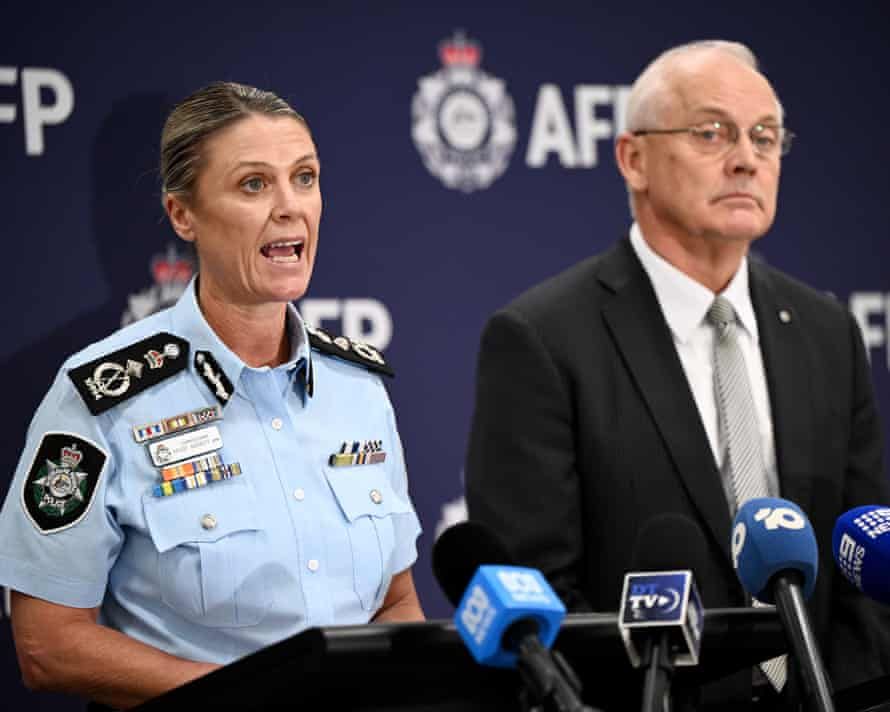
Australian federal police commissioner Krissy Barrett said: “It will be alleged the victims were not taking part in hostilities,” emphasizing the seriousness of the accusations facing the former soldier.
She added: “It will be alleged the victims were detained, unarmed and were under the control” of military personnel when they were killed.
Investigators say the case has been particularly complex, involving events that took place thousands of kilometers away in a conflict zone with limited access to physical evidence.
Ross Barnett, director of investigations, described it as a “careful and professional investigation under challenging circumstances,” highlighting the difficulties faced by authorities.
He explained that investigators lacked access to crime scenes, stating: “We don’t have photographs, site plans, measurements,” underscoring the limitations of the inquiry.
Barnett also noted the absence of forensic evidence, adding that there were no postmortems or traditional crime scene materials available to support the investigation.
Despite these challenges, authorities proceeded with charges based on available testimony and evidence gathered over several years of inquiry.
The case includes allegations relating to incidents at locations known as Whiskey 108 and Syahchow, as well as the death of an Afghan man named Ali Jan.
Court findings in earlier civil proceedings alleged that Roberts-Smith kicked Ali Jan off a cliff before ordering a subordinate to shoot him.
Another allegation claims two men found hiding in a tunnel were executed after surrendering, raising serious questions about conduct during military operations.
The former soldier has consistently denied all allegations, maintaining that he acted lawfully throughout his service and rejecting claims of wrongdoing.
Roberts-Smith previously pursued a high-profile defamation case against several newspapers that published the allegations, arguing they damaged his reputation.
However, the court ruled against him, finding on the balance of probabilities that he was involved in unlawful killings during his military service.
Subsequent appeals were unsuccessful, with higher courts declining to overturn the original findings, further intensifying scrutiny of his actions.
The arrest marks a significant escalation, shifting the matter from civil findings to criminal prosecution with potentially severe legal consequences.
If convicted, Roberts-Smith faces the possibility of life imprisonment, reflecting the gravity of the charges under Australian law.
The case has reignited national debate about accountability within elite military units and the conduct of special forces during overseas operations.
It also raises broader questions about how countries investigate and prosecute alleged war crimes committed by their own personnel.
Prime Minister Anthony Albanese declined to comment directly, stating: “I have no intention of prejudicing a matter that clearly is a legal matter.”
The government’s cautious response reflects the sensitivity of the case and the importance of preserving the integrity of ongoing legal proceedings.
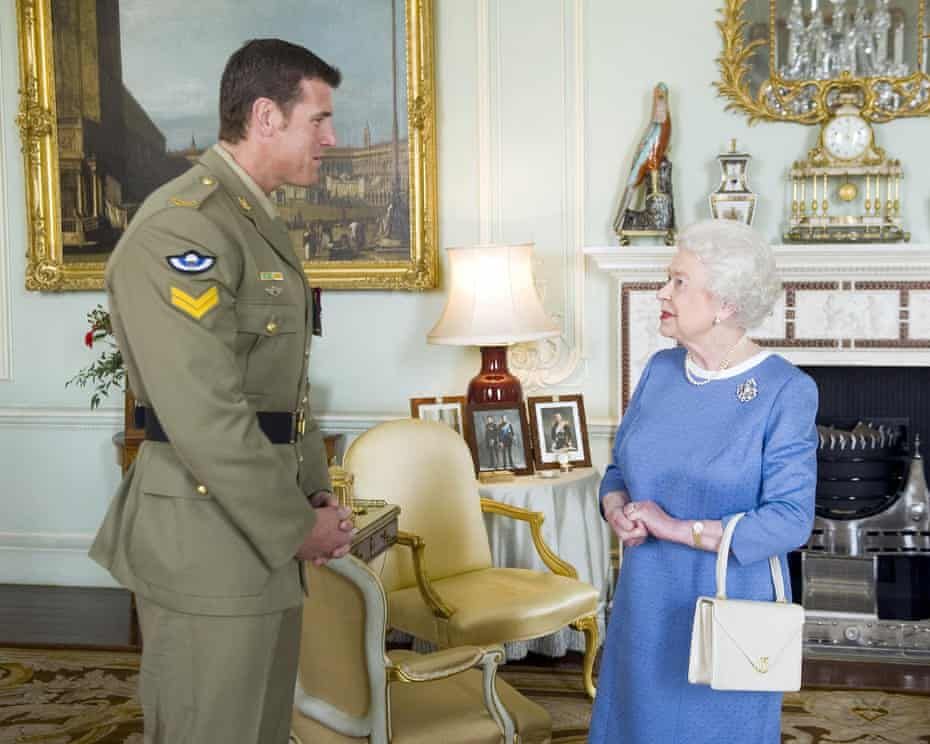
Roberts-Smith was once celebrated as Australia’s most decorated living soldier, awarded the Victoria Cross for bravery during operations in Afghanistan.
His public image included recognition as a national hero, as well as roles in public life following his military career.
However, allegations published in investigative reports between 2017 and 2018 painted a starkly different picture of his conduct during deployment.
These reports accused him of involvement in killings of unarmed civilians and of fostering a culture of misconduct within his unit.
The publications led to the defamation trial that ultimately exposed detailed claims about alleged actions in the field.

Among the most disturbing allegations were so-called “blooding” incidents, where junior soldiers were allegedly ordered to execute detainees.
Such claims, if proven in criminal court, could have significant implications for how military leadership and accountability are understood.
The Australian War Memorial has indicated it will review displays مرتبط with Roberts-Smith, signaling the broader cultural impact of the case.
Public reaction has been deeply divided, with some expressing shock and disappointment, while others stress the importance of due process.
Veterans’ groups have also weighed in, emphasizing the need to distinguish between individual actions and the service of the wider military community.
Legal experts note that criminal proceedings will require proof beyond reasonable doubt, a higher threshold than the civil standard previously applied.
This means prosecutors must present compelling evidence to secure a conviction, despite the challenges of investigating incidents in a war zone.
The case is expected to be lengthy and complex, involving testimony, historical evidence, and potentially classified information.
International observers are also watching closely, as the outcome could influence how allied nations handle similar allegations.
The arrest represents a pivotal moment in Australia’s efforts to confront allegations of misconduct within its armed forces.
It underscores the evolving expectations of accountability and transparency in modern military operations.
Read also:UK police arrest seven protesters near RAF base used by US
As the legal process unfolds, attention will remain focused on the courtroom, where the allegations will be tested under criminal law.
Ultimately, the Ben Roberts-Smith arrest over war crimes marks a defining chapter in Australia’s legal and military history.
The outcome could reshape public understanding of service, responsibility, and justice in the context of war.
About The Author
