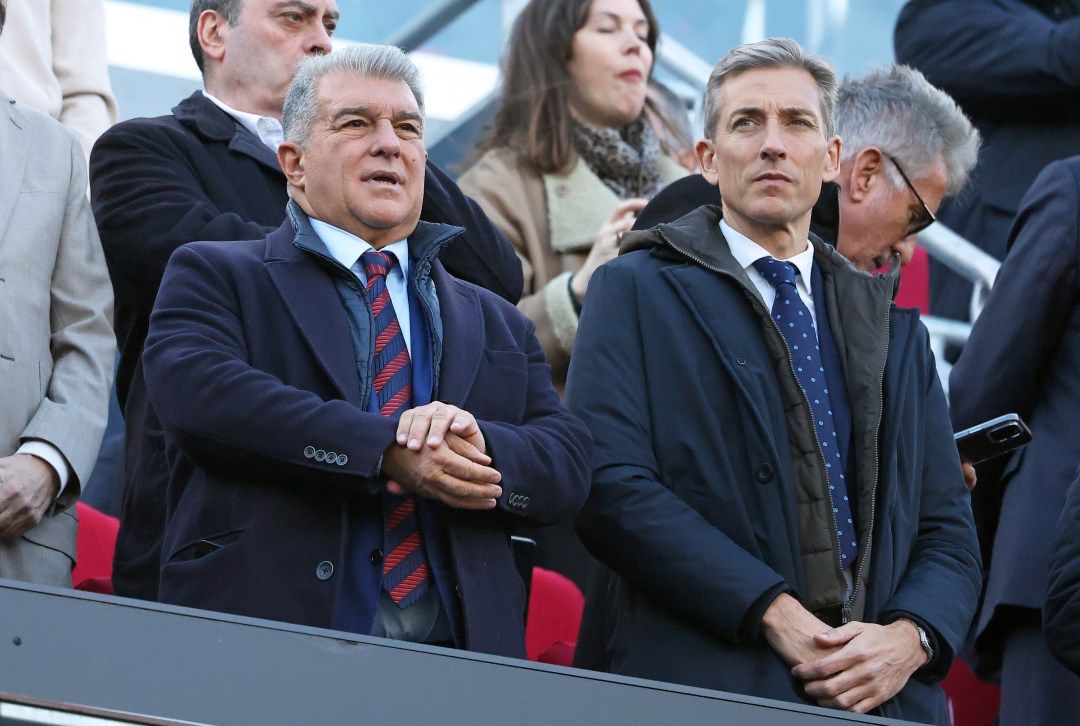

Barcelona election mode officially begins after Joan Laporta resigns as president to seek re-election, opening a decisive political chapter for the club.
Barcelona election mode has officially begun after Joan Laporta stepped down as president of FC Barcelona, triggering the start of a decisive electoral process that will determine the club’s leadership for the coming years. The resignation, confirmed after a board meeting at the Spotify Camp Nou, follows club regulations that require any sitting president to vacate office before contesting a new term.
While the announcement may appear dramatic on the surface, it is a procedural move rather than a sign of instability. Laporta has made it clear that his intention is to return to office through the ballot box, presenting his record to club members as the foundation of his campaign.
A Procedural Exit, Not a Crisis
Laporta’s departure is rooted firmly in Barcelona’s statutes. According to club rules, a president seeking re-election must resign once the election timetable is activated. With voting scheduled for March 15, 2026, the transition into Barcelona election mode was inevitable.
Laporta, who has led the club since March 2021, emphasized that his resignation does not signal the end of his project. Instead, it marks the beginning of a new campaign phase in which he aims to secure a renewed mandate from the socios.
During his address, Laporta highlighted what he described as a period of recovery and rebuilding, insisting that the club is now better positioned financially and competitively than when he first returned to office.
Interim Leadership Takes Over
Following Laporta’s resignation, first vice-president Rafa Yuste was appointed interim president. Yuste will oversee club affairs until the current mandate expires on June 30, ensuring administrative continuity during the election period.
Several board members also stepped aside at the same time. Their resignations were widely expected, as they intend to join Laporta’s electoral slate. Under club rules, board members must resign in order to actively campaign, but they may return if the slate wins and is ratified by the general assembly.
Despite the reduced number of directors, Barcelona maintains a legally functioning board. Its role during Barcelona election mode is largely limited to maintaining daily operations and avoiding major long-term commitments.

The Election Process Explained
Any candidate wishing to run for president must first meet strict eligibility criteria. The most demanding requirement is the collection of 2,337 valid signatures from registered club members. This threshold ensures that only candidates with meaningful support progress to the ballot.
The signature-gathering phase is expected to intensify around upcoming home fixtures, where large numbers of socios are present. Matches against Levante and Villarreal are viewed as particularly important opportunities for candidates to engage directly with members.
Voting will take place in person at five official locations across Catalonia and Andorra. As in previous elections, there will be no postal or electronic voting, reinforcing Barcelona’s traditional electoral model.
Laporta’s Case for Continuity
As Barcelona election mode unfolds, Laporta is positioning himself as the candidate of stability and progress. His campaign is expected to focus heavily on the work completed during his current term.
When Laporta returned in 2021, Barcelona was facing severe financial difficulties, including wage cap restrictions and mounting debt. His administration prioritized financial restructuring, cost control, and revenue generation while attempting to remain competitive on the pitch.
Sporting performance has gradually improved, and Laporta believes the club is now entering a more sustainable phase. His central argument is that changing leadership at this stage could risk undoing recent gains.
Challengers Prepare Their Campaigns
Laporta will face competition from several familiar figures. Víctor Font, who ran in the previous election, is once again expected to challenge for the presidency, offering a contrasting vision centered on governance reform and long-term planning.
Other potential candidates, including Xavier Vilajoana and Marc Ciria, are also preparing their campaigns. These challengers are likely to scrutinize Laporta’s financial decisions, the use of economic levers, and the club’s overall transparency.
The campaign period promises robust debate, with socios weighing continuity against alternative approaches as Barcelona election mode intensifies.
Impact on the Sporting Side
From a footballing perspective, the transition into election mode is not expected to disrupt the first team. The interim board’s mandate is designed to prevent instability, allowing coaches and players to focus on results.
However, the election outcome could shape future decisions regarding transfers, contract renewals, and long-term sporting strategy. A Laporta victory would likely mean continuity, while a change in leadership could bring a shift in priorities.
The move into Barcelona election mode represents a defining moment for FC Barcelona as both a football institution and a member-owned organization. The upcoming election will serve as a judgment on Laporta’s leadership and a broader debate about the club’s direction.
For the socios, the vote is an opportunity to decide whether to extend the current project or place their trust in a new vision. As campaigning accelerates, scrutiny will increase, promises will be tested, and the future of the club will dominate discussion.
One thing is certain: the outcome of the March election will shape Barcelona’s leadership, identity, and strategy for years to come.
Read more news at: ireport247news.com
About The Author