The Trump administration has voiced strong opposition to Israel West Bank control measures after the Israeli security cabinet approved plans that would expand settlements and increase authority over Palestinian areas.
A White House official said, “A stable West Bank keeps Israel secure and is in line with this administration’s goal to achieve peace in the region,” emphasizing the United States’ concern over unilateral moves.
Israel’s security cabinet announced on Sunday that Jewish Israelis will now be able to purchase West Bank land directly, and the government will assume greater authority over areas previously administered by the Palestinian Authority.
While the date for implementing these measures has not been confirmed, the cabinet’s approval does not require further legislative action. These decisions mark a significant shift in Israeli policy toward the occupied Palestinian territory and are seen by critics as undermining prospects for the two-state solution.
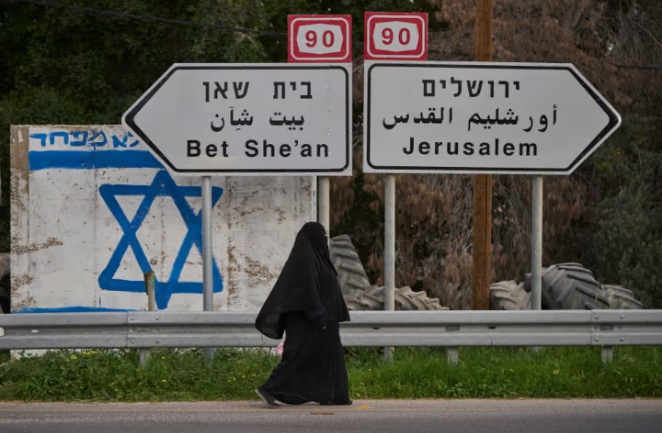
More than 500,000 Israelis currently live in West Bank settlements, while over three million Palestinians reside in the same territory. West Bank settlements are considered illegal under international law, yet successive Israeli governments have justified them as strategic and historical necessities.
The latest reforms, which include increasing Israeli control over Palestinian-administered areas, have raised international alarm and sparked condemnation from regional powers.
The United Kingdom strongly condemned Israel’s plan, issuing a statement that said, “Any unilateral attempt to alter the geographic or demographic make-up of Palestine is wholly unacceptable and would be inconsistent with international law. We call on Israel to reverse these decisions immediately.” This reflects growing international concern that expanding Israel West Bank control could destabilize the region.
Israeli Prime Minister Benjamin Netanyahu is scheduled to meet Donald Trump in the United States on Wednesday, and discussions are expected to focus on the West Bank measures. Netanyahu defended the changes, arguing that consolidating Israeli authority strengthens security and supports Israel’s territorial claims.
United Nations Secretary-General António Guterres also expressed alarm, saying he was “gravely concerned” that these reforms are “eroding the prospects for the two-state solution.”
The West Bank, occupied by Israel since 1967, is considered the largest portion of any potential Palestinian state, yet religious and political groups in Israel regard it as integral to national territory.
Finance Minister Bezalel Smotrich explained that the changes are designed to “deepen our roots in all regions of the Land of Israel and bury the idea of a Palestinian state.”
Palestinian officials in Ramallah responded, saying the measures are an attempt at “deepening attempts to annex the occupied West Bank,” highlighting fears that Palestinian autonomy is being eroded.
Several regional powers, including Saudi Arabia, the United Arab Emirates, Jordan, Qatar, Indonesia, Pakistan, Egypt, and Turkey, issued a joint statement condemning “illegal Israeli decisions and measures aimed at imposing unlawful Israeli sovereignty.”
The move underscores widespread regional opposition to Israel’s expanded control over the West Bank.
Among the specific reforms, Israel repealed a Jordan-era law that had kept land registries confidential, making it easier for Jewish Israelis to identify and purchase property in Palestinian-administered areas.
The government also removed requirements for civil administration permits, further streamlining land acquisition in contested territories.
Israeli authorities plan to transfer authority over building permits for settlements in Hebron, the West Bank’s largest Palestinian city, from the Palestinian Authority to Israel.
Control over two important religious sites—Rachel’s Tomb near Bethlehem and the Cave of the Patriarchs in Hebron—will also increase. Both sites hold deep religious significance for Jews and Muslims, and the shift in control has drawn criticism from Palestinian leaders.
International courts and human rights organizations have repeatedly deemed Israel’s occupation of the West Bank illegal. António Guterres warned that Israel’s reforms are “destabilising” and stressed that settlement expansion undercuts international law and undermines prospects for peace.
Analysts note that these measures could limit Palestinian governance, restrict movement, and escalate tensions in the region.
The Trump administration’s opposition indicates concern that unilateral annexation could derail peace efforts. By emphasizing the importance of stability in the West Bank, the United States is attempting to balance support for Israel’s security with the need to prevent conflict escalation. “A stable West Bank is essential for regional security and peace,” the White House official said.
Human rights groups have warned that expanding West Bank settlements could trigger unrest, given the frequent clashes between settlers, Palestinians, and Israeli forces.
Experts argue that the latest reforms, which consolidate Israeli control, risk heightening tensions and reducing the feasibility of the two-state solution.
While Donald Trump’s administration has historically supported Israel, this opposition demonstrates concern about the political and humanitarian consequences of unilateral measures. The combination of public land registries, simplified purchase regulations, and increased control over Palestinian-administered areas represents a major shift in West Bank governance.
Palestinian officials have warned that continued settlement expansion erodes trust and diminishes prospects for peace. “Israel’s latest measures are not just administrative; they are a clear step toward annexation,” a senior official said.
The Palestinian leadership has urged international intervention to hold Israel accountable and prevent further encroachment.
As Israel prepares to implement the approved measures, observers are monitoring the situation closely. The reforms are likely to intensify the ongoing debate over West Bank settlements, the role of the Palestinian Authority, and the viability of a negotiated two-state solution.
Diplomatic efforts will be crucial to prevent further destabilization.
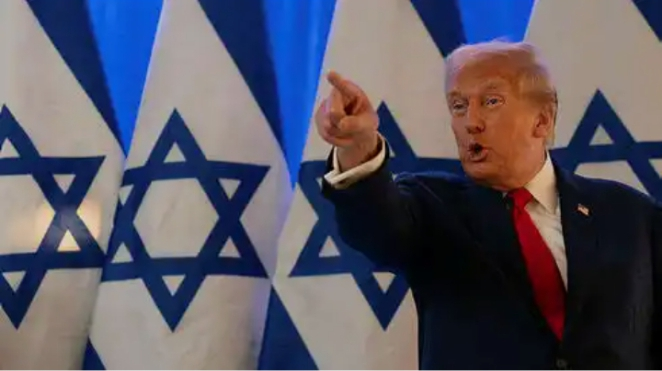
In conclusion, the Trump administration’s opposition highlights serious concerns over Israel West Bank control expansion. With regional powers, global leaders, and international legal authorities raising alarms, the situation underscores the challenges of balancing Israeli security, Palestinian rights, and long-term peace in one of the world’s most contested regions.
About The Author