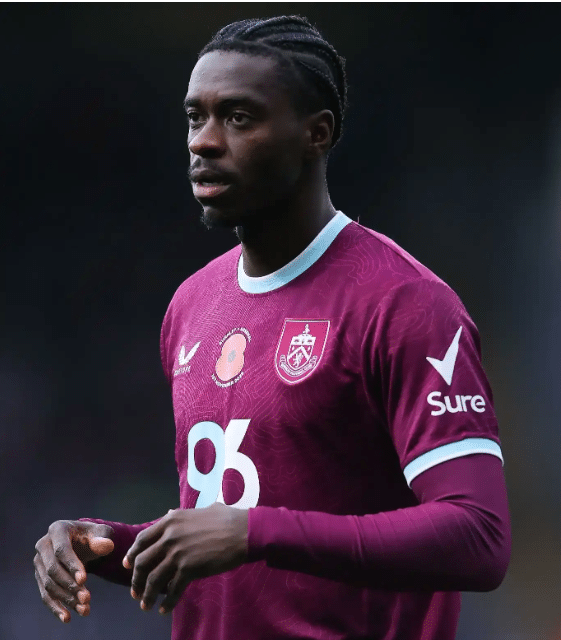
A former Manchester United defender, Axel Tuanzebe, has filed a £1million lawsuit against the club, alleging injury mismanagement left him unable to play football without restriction or impediment.
Court documents reveal that Tuanzebe first suffered a left-sided pars fracture in January 2020, a stress injury in his lower spine, causing significant pain and disruption due to injury mismanagement.
A second fracture occurred on the right side in July 2022, which Tuanzebe claims was worsened by Manchester United’s mismanagement and failure to consult specialist spinal surgeons in time.
Tuanzebe’s legal team asserts that the club did not implement appropriate rest periods or treatment plans, which contributed to chronic spinal conditions and long-term career limitations from injury mismanagement.
The court papers state that proper medical care could have prevented the progression of his fractures, avoiding ongoing pain and allowing him to continue playing without restriction or mismanagement consequences.
Despite continuing to play at elite levels with Burnley, Tuanzebe insists that the impact of mismanagement at United significantly affected both his performance and potential earnings during peak career years.
Manchester United has declined to comment publicly, yet the lawsuit raises concerns regarding injury and the responsibility of elite football clubs to safeguard player health and welfare.

Tuanzebe, an academy graduate, left Manchester United in 2023 after 17 years, but claims that injury mismanagement during his development at Old Trafford negatively affected his professional growth and opportunities.
Experts in sports medicine emphasize that pars fractures are delicate injuries; without proper supervision and rest, injury mismanagement can result in chronic conditions, affecting mobility and long-term athletic performance.
The lawsuit highlights the financial and physical consequences of mismanagement of injury as Tuanzebe claims his career trajectory and potential earnings were reduced due to the club’s negligence.
Legal analysts note that Tuanzebe’s case could set a precedent, encouraging clubs to enforce strict protocols for player recovery and prevent injury mismanagement across academy and senior levels.
Tuanzebe’s departure from Manchester United marks the end of a significant chapter, but his ongoing career at Burnley underscores how injury mishandling at previous clubs can continue affecting athletes years later.
The defender’s legal action illustrates the broader issue of player welfare, showing that injury mishandling not only causes physical pain but can also influence contracts, transfers, and long-term career planning.
According to the court documents, the first fracture in 2020 should have prompted specialist referral and extended rest, yet the club allegedly ignored these protocols, leading to further mismanagement and complications.
The second fracture in 2022, on the opposite side, compounded his issues, highlighting the alleged repeated injury mismanagement and its effect on his ability to perform at the elite level consistently.
Tuanzebe’s legal team insists that the injuries could have been mitigated with standard care, making the alleged injury mismanagement a preventable cause of chronic spinal damage and career disruption.
This case has drawn attention from sports medicine specialists who emphasize the need for clubs to prioritize health and prevent injury mismanagement to protect long-term player welfare and performance.
Burnley has welcomed Tuanzebe, yet even with his current club, he maintains that the long-term consequences of injury mismanagement continue to influence his training, fitness, and match readiness.
Financially, Tuanzebe argues that injury mismanagement cost him potential earnings, contract opportunities, and endorsement deals that could have been secured if his injuries had been properly treated.
The lawsuit also underscores the need for transparency in football clubs’ medical departments, demonstrating that injury mismanagement can have legal, financial, and reputational consequences.
Manchester United’s handling of Tuanzebe’s injuries now faces scrutiny, as the case examines whether the club’s procedures fell below accepted medical standards, constituting actionable injury mismanagement.
Tuanzebe’s claims reflect broader concerns in football, where injury mishandling can derail promising careers, emphasizing the importance of early specialist intervention and careful rehabilitation protocols.
His case is expected to influence future policies in football, reminding clubs that accountability, transparency, and proper injury care are essential to prevent injury mishandling and protect player welfare.
The defender’s legal pursuit serves as both personal redress and a broader call for reforms in sports medicine practices, ensuring mishandling of injury is addressed in elite football environments.
As the lawsuit progresses, it will likely spark discussion about player welfare, medical ethics, and the consequences of injury mismanagement in high-level professional sports.
Tuanzebe’s experience demonstrates that elite footballers rely not only on skill but also on proper medical support, and injury mismanagement can have lasting effects on health and career longevity.
This case reinforces the importance of monitoring, rehabilitation, and specialist care, highlighting how injury mismanagement can affect even well-supported players in top-flight football.
About The Author