Benjamin Sesko is under close monitoring by Manchester United after being forced off against Tottenham with a knee issue. Early scans suggest the injury may not be serious, offering cautious optimism.
The 20-year-old striker came on as a substitute after 58 minutes but limped off three minutes from time chasing a long ball. His sudden exit sparked immediate concern among teammates, staff, and fans.
Sesko’s start at Old Trafford has been challenging. Since his £73.7million summer transfer, the forward has scored only two goals. Adjusting to Premier League intensity and tactical demands has proven difficult.
United head coach Ruben Amorim confirmed Sesko’s knee injury after the 2-2 draw at Tottenham Hotspur Stadium. Amorim stressed the need for careful evaluation, stating that further scans are necessary to determine severity.
Initial reports from Slovenia indicate Sesko has undergone preliminary tests on his knee. Findings reportedly show no “worrying condition,” hinting the injury may be minor. However, only a full MRI will provide definitive results.
Manchester United are cautious in handling the situation. Knee injuries, particularly for young forwards, require measured management to avoid long-term consequences or recurring issues.

After the match, Amorim said: “I’m concerned with an injury, because it is in the knee and I don’t know. We need Ben to be a better team. We have to check. He has something in his knee. Let’s see.”
Fans expressed concern on social media, but also patience. Many acknowledged the need for proper rehabilitation, understanding that rushing Sesko back could worsen the injury.
Sesko’s injury raises tactical questions for Manchester United. His pace, pressing ability, and finishing skill are critical to Amorim’s system, and his absence could force adjustments in attack.
Slovenia are expected to update on Sesko’s condition soon. With World Cup qualifiers against Kosovo and Sweden approaching, both club and national teams have a vested interest in his recovery.
Medical staff at Old Trafford plan a series of follow-up evaluations to determine Sesko’s readiness for training and upcoming matches. The next Premier League game against Everton on November 24 will test squad depth if he is unavailable.
Football experts note that adapting from leagues like the Austrian Bundesliga to the Premier League requires both technical skill and physical resilience. Sesko’s knee injury underlines the importance of careful load management.
Despite limited goals, Sesko has impressed with off-the-ball work. His pressing, movement, and ability to stretch defenses justify Manchester United’s investment and highlight his long-term potential.
Ruben Amorim’s cautious approach to player welfare reflects a broader philosophy at Manchester United. The manager prioritizes long-term player development over immediate results, ensuring Sesko receives proper care.
Analysts suggest that tactical flexibility will be key while Sesko recovers. Alternative forwards may fill the gap, and Amorim may adjust formations to maintain attacking threat.
Fans remain invested in Sesko’s progress. Online forums and fan pages reflect hope for his return, emphasizing his potential as a long-term solution for Manchester United’s forward line.
Sesko’s injury also underscores the importance of squad depth. United have alternatives, but key absences in attack can disrupt rhythm and require careful rotation during congested fixture periods.
Medical experts stress that even minor knee injuries demand careful rehabilitation. Strengthening exercises, monitored pitch work, and gradual reintegration help prevent reinjury and build confidence.
Manchester United are applying these best practices. Rushing players back can have long-term consequences, and Sesko’s structured recovery plan reflects modern football’s emphasis on player welfare.
Mental resilience will also play a role in Sesko’s return. Young players adapting to high-pressure environments must navigate psychological as well as physical challenges, making careful management essential.
Analysts note Sesko’s overall contribution goes beyond goals. His pressing, link-up play, and spatial awareness are vital to Manchester United’s attacking structure, making his recovery important for team balance.
The coming weeks will test both Sesko’s resilience and Manchester United’s squad depth. Balancing fitness recovery with maintaining competitive performance is a challenge Ruben Amorim must navigate.
Fans remain hopeful but realistic. Knee injuries are common, and United’s transparent communication about Sesko’s condition reassures supporters that patient, medically-informed decisions are being made.
The Slovenian forward’s recovery will be closely monitored by both club and national team medical staff. Ensuring full fitness is key before returning to competitive play.
Manchester United have implemented a carefully structured rehabilitation plan. Regular scans, physiotherapy, and monitored training will help Sesko regain confidence and readiness for matches.
Tactical analysts highlight Sesko’s value. His ability to chase defenders, create space, and finish scoring chances makes him a unique asset. United’s strategies will adjust in his temporary absence.
Sesko’s injury also raises questions about the pressures of high-profile transfers. Large fees come with expectations, and early injuries can complicate integration into new squads and leagues.
Ruben Amorim remains optimistic. His public comments reflect both concern and confidence, signaling trust in Sesko’s ability to recover and return stronger.
Fans and pundits agree that Sesko’s long-term potential is significant. Early struggles should not define his tenure at Old Trafford, and careful management will help him flourish.
Benjamin Sesko’s knee injury continues to be monitored closely. Updates over the next week will clarify his timeline for returning to training and competitive matches.
Supporters hope for a positive recovery, recognizing Sesko’s potential to make decisive contributions in Premier League and European matches. His presence is crucial for United’s attacking plans.
The club’s approach emphasizes confidence and fitness alongside injury rehabilitation. By following a careful recovery plan, Manchester United hope to maximize his impact while minimizing risks.
Initial scans are cautiously positive. While nothing is definitive until full MRI results are available, the structured plan at Old Trafford gives Sesko the best chance to return safely.
Sesko’s situation highlights broader themes in football: player welfare, adaptation to high-intensity leagues, and psychological pressures on young stars in top clubs.
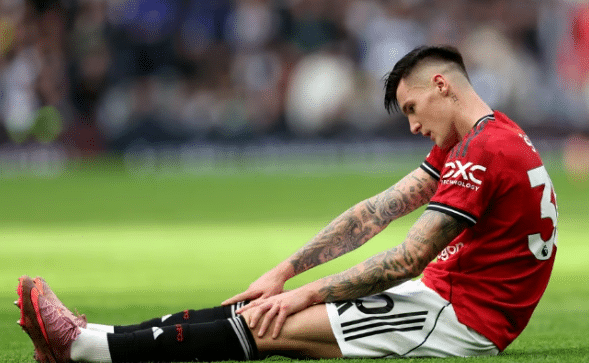
Ultimately, his recovery depends on medical guidance, rehabilitation, and mental resilience. Manchester United’s structured approach and Ruben Amorim’s oversight provide a strong framework for a safe return.
Benjamin Sesko’s knee injury appears manageable for now. Careful monitoring, further examinations, and a patient recovery strategy are likely to see him back on the pitch soon.