The Rugby World Cup 2027 pool draw has confirmed a mouth-watering opening for hosts Australia, who will face their age-old rivals New Zealand in Pool A. Fans across the globe eagerly anticipate this clash.
The Australian rugby team, hosting a second men’s Rugby World Cup, were guaranteed a top-ranked opponent due to their seventh world ranking, setting up a dramatic start against the All Blacks.
New Zealand, perennial favorites, bring star power and tactical prowess. The All Blacks are determined to assert dominance early, making the opening Pool A match a marquee event for spectators.
Pool A also includes Chile, competing in only their second Rugby World Cup, and debutants Hong Kong, offering smaller rugby nations a chance to test themselves on the global stage.
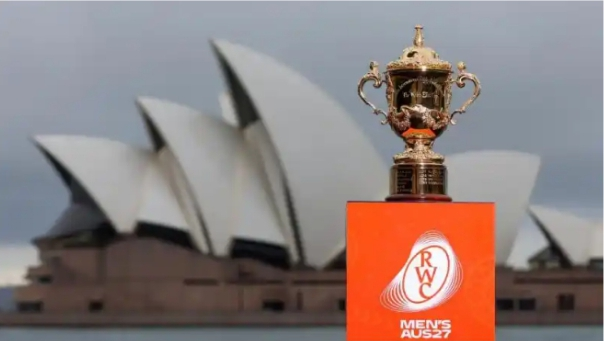
Australia and New Zealand’s renewed rivalry is expected to echo the Bledisloe Cup excitement, with the first match scheduled for 1 October 2027 in Perth, a city buzzing with anticipation.
England and Wales, two historic rivals, are drawn together in Pool F. The clash rekindles memories of previous encounters, including Wales’ victory over England a decade ago at the home tournament.
Tonga and Zimbabwe complete Pool F, giving England and Wales challenging opponents. The mix ensures both teams must perform consistently to advance beyond the pool stage in 2027.
South Africa, ranked number one and defending champions from the last two tournaments, are in Pool B with Italy, Georgia, and Romania. They aim to secure a third consecutive Rugby World Cup title.
Rassie Erasmus’s South African squad is seen as the team to beat. Analysts highlight their blend of experience and youth, which could dominate opponents and set the tone for Pool B matches.
Pool D features Ireland and Scotland, rekindling Celtic rivalry once more. Portugal and Uruguay complete the lineup, making this group highly competitive and unpredictable in outcomes for fans and pundits.
Argentina, Fiji, Spain, and Canada make up Pool C. The diversity in playing styles and strategies promises entertaining matches, testing teams’ adaptability and squad depth over the initial pool phase.
France, Japan, USA, and Samoa are drawn into Pool E. Each team brings unique tactical approaches, with Japan looking to continue their strong World Cup performances and France asserting continental dominance.
The tournament will include 52 matches, up from 48 in 2023, culminating with the final on 13 November 2027 in Sydney. The expanded schedule promises more rugby action for fans worldwide.
The Rugby World Cup 2027 pool draw has generated excitement, media attention, and extensive discussions among rugby experts regarding potential outcomes and early eliminations of strong contenders.
Australia’s preparations are already underway, focusing on team cohesion, player fitness, and strategic gameplay. Hosting responsibilities add pressure, but the Wallabies aim to capitalize on home advantage.
New Zealand’s All Blacks have similarly intensified training regimes, emphasizing speed, precision, and tactical innovation, ensuring they remain one of the toughest opponents in any pool encounter.
Chile and Hong Kong, smaller rugby nations, aim to make their mark. While underdogs in Pool A, both teams hope to gain experience, improve rankings, and cause surprises in early matches.
England and Wales rugby fans are already speculating about pool outcomes. Both nations are seeking redemption and glory, hoping to progress far enough to challenge for the 2027 Rugby World Cup trophy.
Tonga and Zimbabwe present unpredictable elements in Pool F. Their physicality and unconventional playing styles could disrupt expectations, making group matches highly competitive and difficult to predict.
South Africa rugby team’s dominance is reinforced by depth and versatility. Their key players are expected to drive tactical superiority, reinforcing South Africa’s ambition to win a third successive Rugby World Cup title.
Italy, Georgia, and Romania in Pool B face the formidable South African squad. Each must leverage strengths and adapt strategies to survive and potentially advance in the tournament structure.
Pool D’s Celtic rivalry is one of the most anticipated storylines. Ireland and Scotland have history, and their previous encounters in 2019 and 2023 set the stage for an emotionally charged rematch in 2027.
Portugal and Uruguay offer surprises, particularly given Portugal’s impressive showing in 2023. Their inclusion adds competitive depth, making Pool D matches potentially decisive for progression to knockout rounds.
Pool C’s Argentina and Fiji bring flair and explosive attacking play. Spain and Canada offer contrasting styles, which makes every game a tactical chessboard and an exciting spectacle for global audiences.
Pool E’s France, Japan, USA, and Samoa combine experience and unpredictability. Japan continues to evolve as a World Cup contender, France aims to showcase European strength, while Samoa and USA look for breakthroughs.
The Rugby World Cup schedule will be revealed on 3 February 2026, giving teams ample time to plan logistics, training, and fan engagement activities, particularly for hosting nations like Australia.
Fans across continents have already started planning trips and accommodations. The Rugby World Cup 2027 pool draw has heightened anticipation, creating a buzz reminiscent of previous unforgettable tournaments.
Broadcast rights and media coverage are expected to be extensive. Networks will capitalize on iconic matchups, particularly Australia vs New Zealand and England vs Wales, ensuring global rugby fans remain glued to screens.
Merchandise and fan zones in Sydney, Perth, and other host cities are being prepared. The event promises vibrant atmospheres, with supporters wearing colors proudly and participating in tournament festivities.
Analysts emphasize that early pool matches are crucial. Teams like South Africa, Australia, and New Zealand must perform consistently to avoid upsets, while smaller nations seek to maximize exposure and competitive experience.
Rugby World Cup 2027 pool draw outcomes also impact seedings for future tournaments. Performance in 2027 may influence rankings, qualification paths, and international rugby dynamics over subsequent years.
Coaching strategies will be pivotal, with teams focusing on rotations, injury management, and game-specific tactics. Leadership on and off the field will define which nations progress beyond pool stages.
The tournament’s expanded format with six pools ensures more rugby for fans and gives emerging nations opportunities to face top-tier teams, fostering development and global engagement with the sport.
Australia and New Zealand’s opening match may set the tone for the tournament. Expectations are high, and the clash could either inspire or deflate teams, influencing the momentum for subsequent fixtures.

Beyond the pitch, cultural events, fan engagement, and media coverage will highlight the global celebration of rugby. Host cities are planning ceremonies, fan zones, and interactive experiences throughout the Rugby World Cup 2027.
As teams finalize squads, fan excitement continues to mount. The Rugby World Cup 2027 pool draw has provided a roadmap for thrilling encounters, historic rivalries, and unexpected moments in one of the sport’s most celebrated tournaments.