The death toll in south-east Asia floods and landslides has surpassed 500, leaving thousands stranded across Indonesia, Thailand, and Malaysia as rescue efforts continue.
In Indonesia, heavy monsoon rains overwhelmed Sumatra island, killing at least 350 people and leaving 279 others missing, according to Suharyanto of the National Disaster Management Agency.
North Sumatra reported 166 deaths, West Sumatra 90, and Aceh 47, highlighting the widespread devastation caused by flash floods and landslides across the western-most areas of the country.
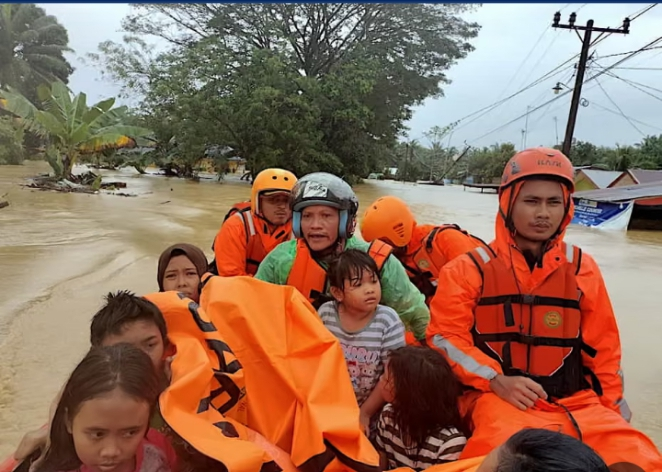
“Rescuers are doing everything possible to reach affected residents,” Suharyanto said. “We have deployed thousands of personnel to provide aid and recover those still missing.”
Approximately 80,000 people have been evacuated in Indonesia, with hundreds stranded in three provinces. Temporary shelters now house over 28,400 displaced residents, requiring urgent food and medical assistance.
More than 3,500 police have been mobilized to support search-and-rescue missions, help distribute relief supplies, and ensure security for families fleeing the floods and landslide-hit areas.
In addition, cloud-seeding operations began in West Sumatra to reduce rainfall, although most flooding had already subsided by Saturday, officials said, as communities began clearing debris from homes.
Thailand has been similarly affected, with floods impacting over 1.4 million households, equivalent to 3.8 million people, across the country, particularly in southern provinces where water levels reached three metres.
At least 145 people died in Songkhla province alone, where hospitals were overwhelmed and bodies were stored in refrigerated trucks after morgues reached capacity, according to local reports.
Prime Minister Anutin Charnvirakul visited a shelter in Hat Yai, acknowledging government shortcomings. “I really have to apologise to them for letting this happen during my term,” he said.
“The next step is to prevent the situation from deteriorating,” he added, setting a two-week timeframe for cleaning up affected districts and restoring basic services to residents.
The Thai government announced relief measures, offering compensation of up to 2 million baht ($62,000) to households that lost family members, while providing emergency aid for thousands more.
Shop owner Rachane Remsringam surveyed his damaged store, Madam Yong, which had been looted and vandalized in the wake of the flooding, losing hundreds of thousands of dollars in stock.
Growing criticism has targeted the Thai administration’s flood response. Two local officials were suspended, and opposition MP highlighted errors in estimating the severity and handling of the crisis.
Flood victim Amphorn Kaeophengkro described surviving 48 hours atop a table, window frame, and washing machine with her family in Hat Yai, where rainfall reached 335mm in one day.
“We weren’t thinking about anything else except surviving,” said Kaeophengkro, adding that her family began cleaning their home as floodwaters finally receded, leaving debris and damage behind.
Malaysia reported fewer casualties, with two deaths in northern Perlis state, as heavy rain submerged roads and farmland, complicating rescue and relief operations for local authorities.
The floods follow the annual monsoon season, typically June to September, but this year’s tropical storm worsened conditions, overwhelming drainage systems and triggering widespread landslides in vulnerable areas.
Experts cite climate change as a factor increasing the intensity and frequency of such extreme weather events, causing heavier rainfall, flash flooding, and stronger wind gusts across the region.
“This is a stark reminder that climate change is not a distant threat; it is affecting lives and livelihoods right now,” said a regional disaster response coordinator.
In Indonesia, volunteers and local authorities continue searching for missing residents in landslide-prone areas, often using boats and helicopters to reach isolated villages cut off by floodwaters.
Thailand’s southern provinces remain under heightened alert, with authorities monitoring river levels and providing sandbags to protect homes, while local communities organize informal evacuation points.
Temporary shelters in Indonesia and Thailand struggle to accommodate displaced families, many of whom lack access to clean water, sanitation, and medical care in the aftermath of the disaster.
Humanitarian organizations have called for immediate international support to supply food, blankets, and medicines, stressing that thousands remain at risk due to disease outbreaks in flood-affected areas.
The economic impact is significant, with small businesses and agricultural production disrupted. Crops, livestock, and markets suffered losses, adding to the already substantial human toll of the disaster.
Authorities in all three countries continue issuing warnings for additional rainfall, urging residents in low-lying areas to remain vigilant and adhere to evacuation orders to prevent further casualties.
The ongoing relief and rescue efforts are complicated by damaged infrastructure, with roads, bridges, and communication networks destroyed or blocked, hampering coordination between government agencies and aid organizations.
Despite the challenges, volunteers, police, and military personnel are working around the clock, demonstrating resilience and solidarity as they help affected populations recover from the floods and landslides.
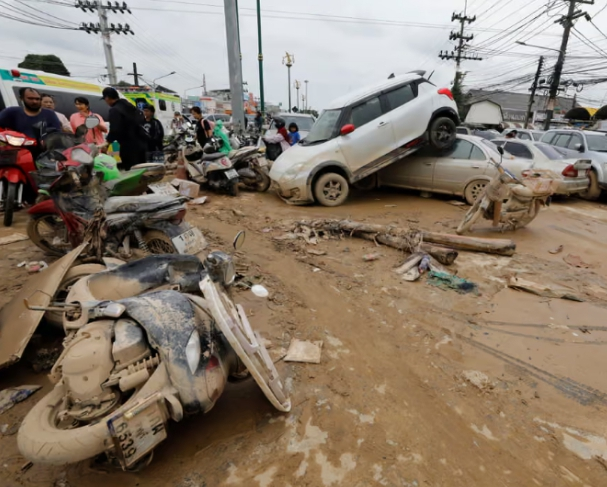
As communities begin the slow process of rebuilding, regional leaders face pressure to improve flood management strategies and infrastructure to better withstand increasingly severe monsoon seasons in the future.
The 2025 south-east Asia floods and landslides underscore the urgent need for climate adaptation measures, early warning systems, and coordinated disaster response to prevent similar catastrophes in the years ahead.
About The Author